
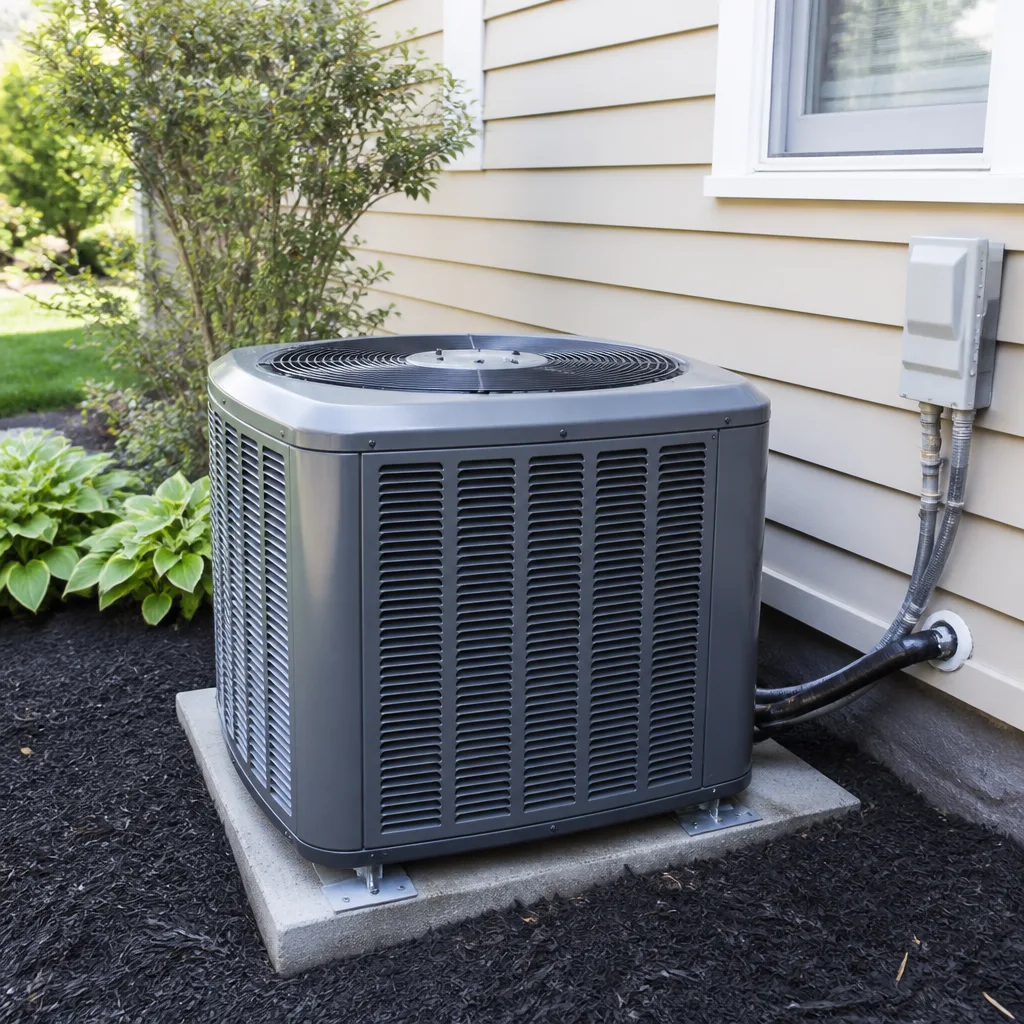
Last updated October 16, 2026
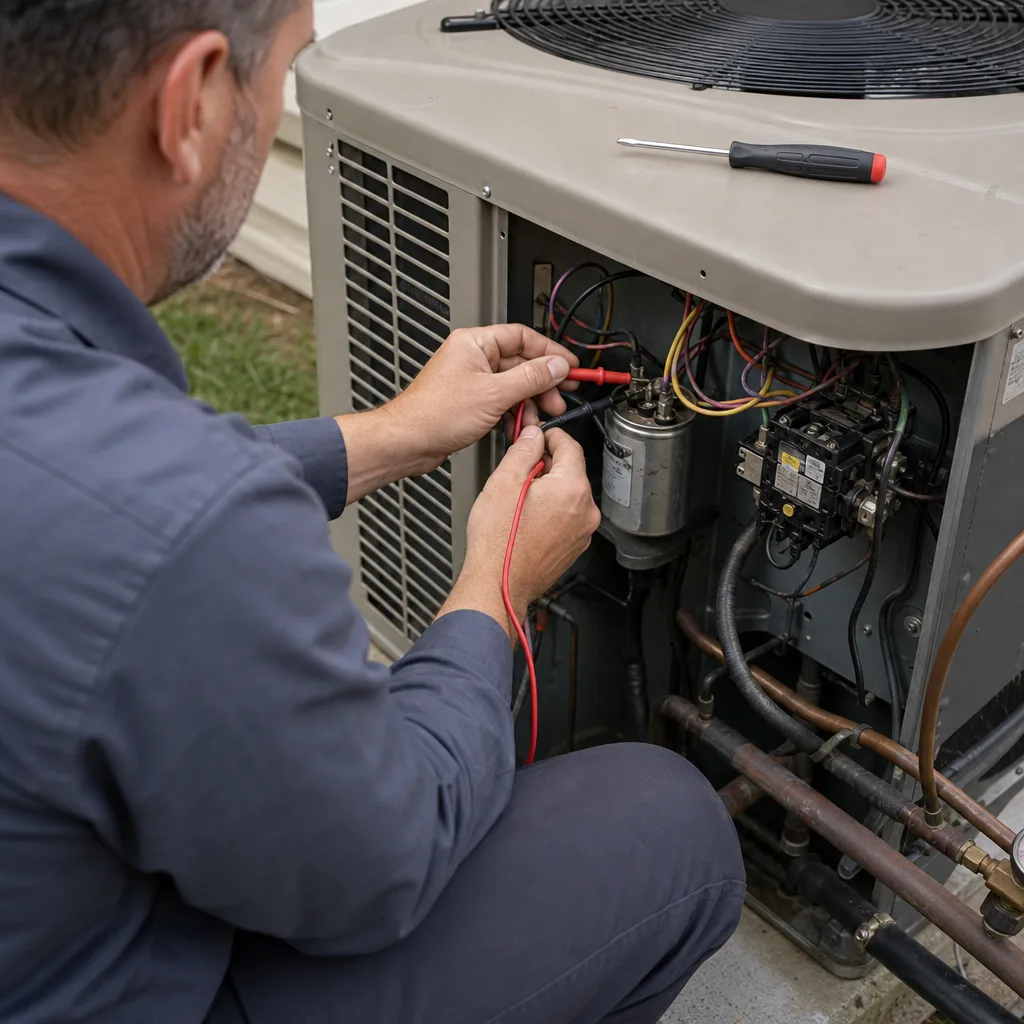
 AC repair
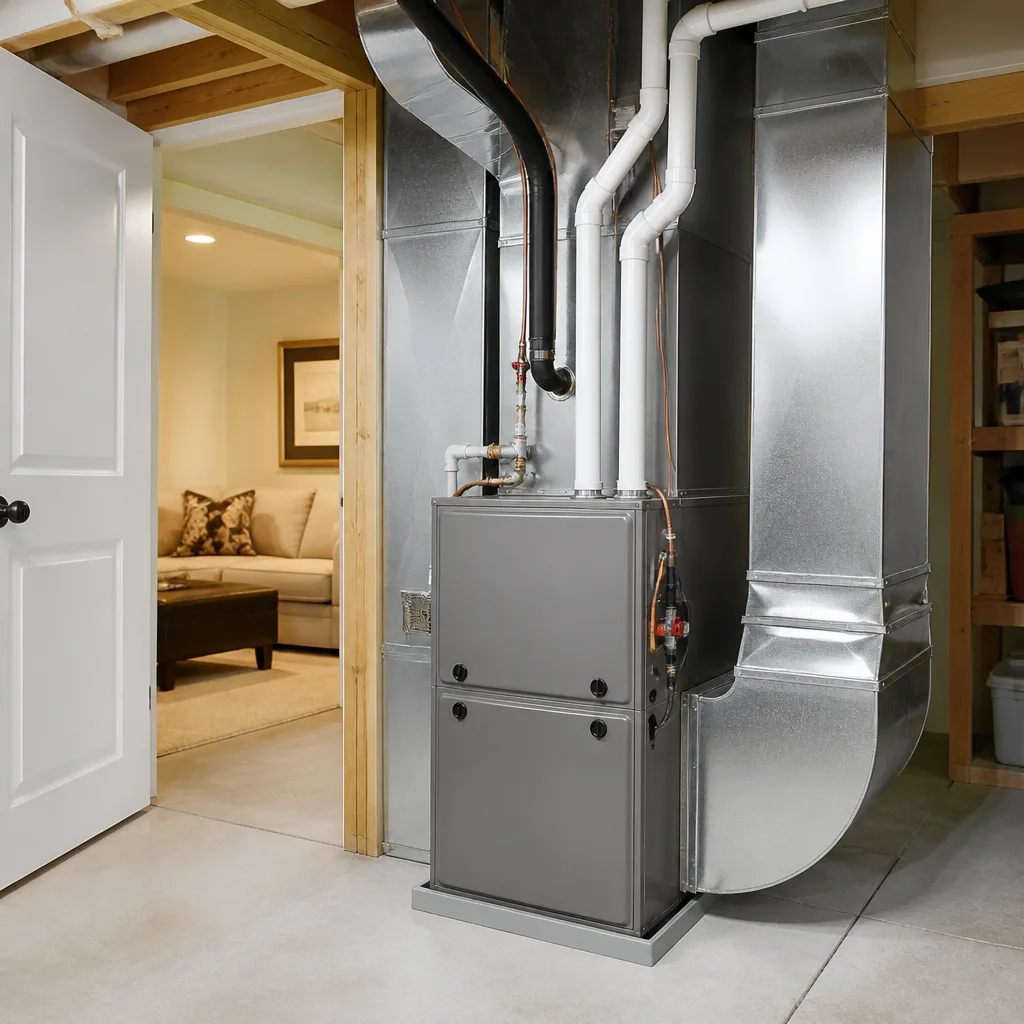 Furnace & heating
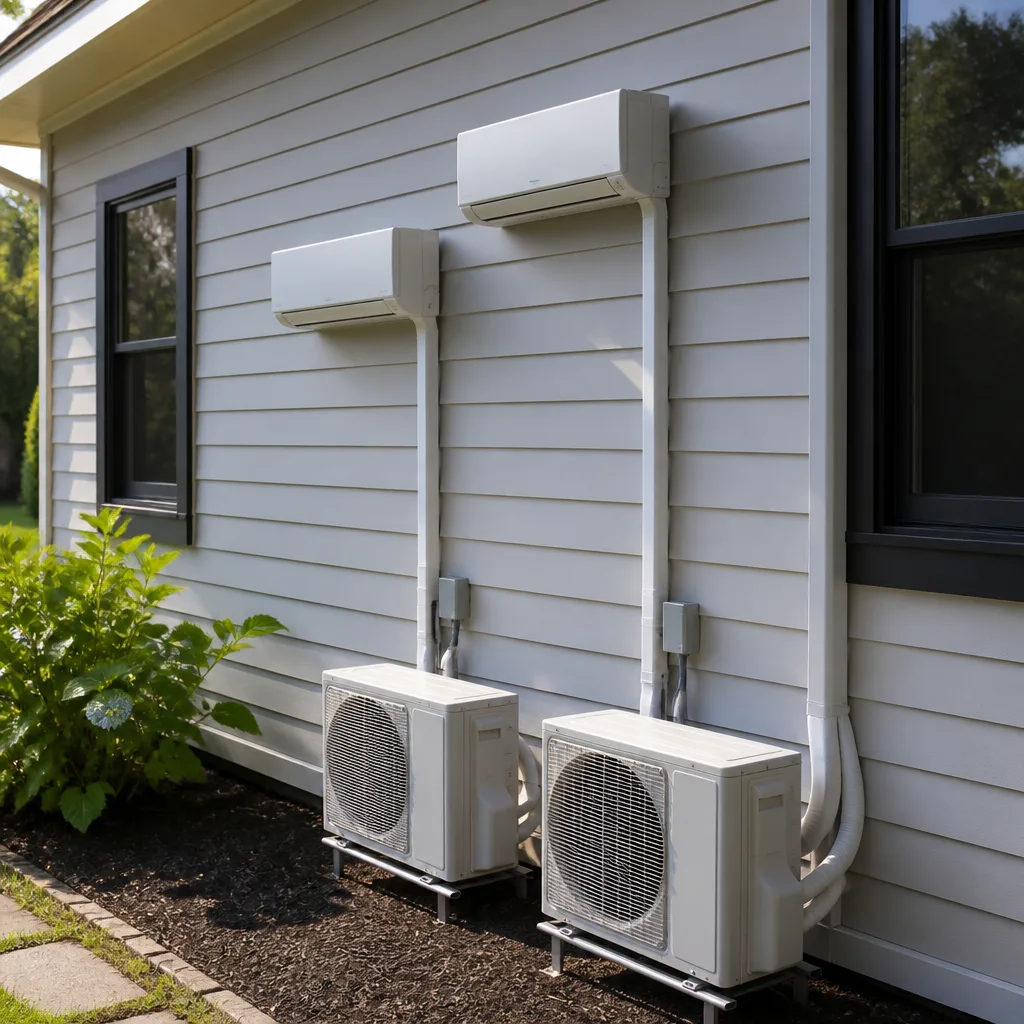 Ductless mini splits
 Carrier
 Trane
Trane Goodman
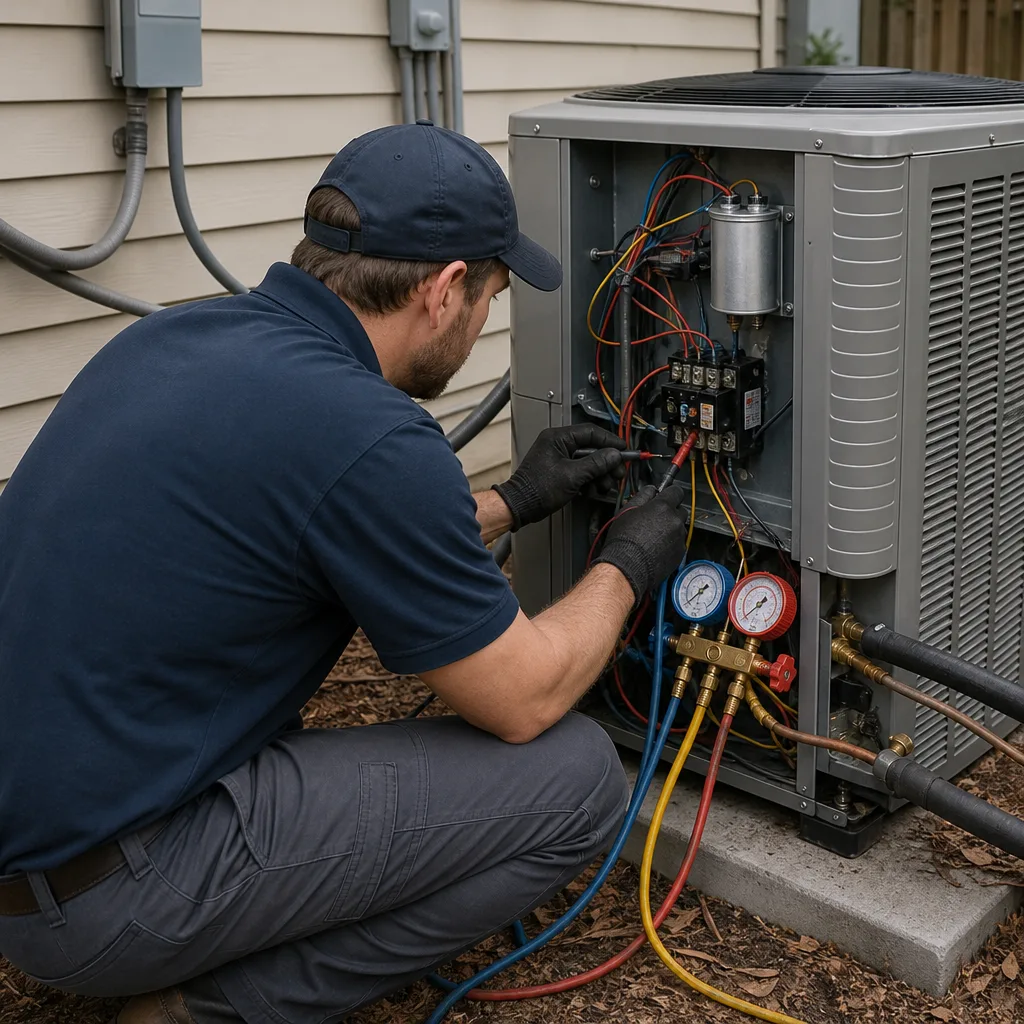
Seasonal tune-up and full diagnostic on your Carrier, Trane, or Goodman system - readings shown to you before any repair is proposed
Diagnosis first, numbers second - you approve the repair price before a single part goes in.
Get your free estimateHVAC Permits, Codes & Inspections in GA: What You Need to Know
Here’s a number that should get every Atlanta homeowner’s attention: in 2023, a Fulton County home sale nearly collapsed at closing because an HVAC replacement done three years earlier had no permit on file. The seller had to escrow $11,000 and rush a retroactive inspection before the buyer would sign. The original contractor saved maybe two days by skipping the permit office. The homeowner paid for it three years later, with interest. This guide explains exactly which HVAC jobs require a permit in Georgia, how the rules shift depending on whether you’re in Fulton, Cobb, Gwinnett, or DeKalb county, and how to make sure your contractor pulls the permit in your name – not theirs – so you don’t end up in that seller’s position. For more guides & resources on protecting your home, see our blog.
Styles & brands we work with
Quick Answer
Any HVAC work that involves replacing equipment, moving ductwork, changing the electrical load, or altering gas lines requires a permit in Georgia. A thermostat swap or capacitor replacement does not. The permit must be pulled by a state-licensed contractor before work starts, and the final inspection creates a public record that protects your homeowner’s insurance and your ability to sell the house later. In Atlanta specifically, the rules vary by county – what flies in unincorporated Cobb may not fly in the City of Atlanta proper – so checking your exact jurisdiction before signing a contract matters more than most people realize.
Table of Contents
- Which HVAC Jobs Require a Permit in Georgia
- How Permit Rules Differ Across Fulton, Cobb, Gwinnett, and DeKalb
- The Insurance Claim Denial You Didn’t See Coming
- What a Real HVAC Inspection Looks Like
- How to Verify the Permit Is in Your Name (Not the Contractor’s)
- What to Do If You Already Have Unpermitted Work
- What HVAC Permits Cost in Metro Atlanta
- Common Mistakes to Avoid
- When to Call a Professional
- Frequently Asked Questions
- The Bottom Line
Which HVAC Jobs Require a Permit in Georgia
Georgia’s permitting authority comes from the Georgia State Minimum Standard Codes, which adopt the International Residential Code (IRC) and International Mechanical Code (IMC) with state-specific amendments. Under those codes, a mechanical permit is required for any installation or replacement of a heating or cooling system where the work involves more than a like-for-like part swap. Here’s what that means in plain terms, by job type:
Permit Required – Full System Replacements
Replacing an entire furnace, air handler, heat pump, or condenser unit always requires a permit. So does replacing both halves of a split system at once. The code treats this as a new installation, which means the contractor must verify equipment sizing, confirm ductwork compatibility, check electrical disconnects, and in the case of gas furnaces, test gas line connections and venting. A permit creates the inspection that verifies all of that was done correctly.
Permit Sometimes Required – Component Swaps
- Evaporator coil replacement: In most metro Atlanta jurisdictions, this triggers a permit if it requires opening the refrigerant lines. Some counties treat a coil swap as a repair and don’t require a permit; others do. Ask your contractor which one applies to your address.
- Compressor replacement: Usually treated as a repair, not an installation, and often exempt – but if the condenser unit itself is being replaced, the permit requirement kicks in.
- Ductwork replacement: If you’re replacing more than a few feet of duct, especially in an attic or crawl space, a permit is generally required. Ductwork changes affect airflow calculations and can create fire-safety issues if done wrong.
- Gas line modifications: Any change to gas piping – even moving a furnace six inches – requires a permit and a gas pressure test. No exceptions.
No Permit Required – Maintenance and Minor Repairs
- Thermostat replacement, battery changes, or smart thermostat installation
- Capacitor, contactor, or control board replacement
- Refrigerant recharge (topping off the coolant your system needs to produce cold air), assuming the system is otherwise intact and the tech is EPA-certified
- Condensate drain cleaning or trap replacement
- Air filter replacement, blower motor cleaning, or coil cleaning
- Replacing a fuse, relay, or pressure switch
The line between “repair” and “replacement” is where most confusion happens. A good rule of thumb: if the job involves new equipment, new wiring, new gas piping, or new ductwork, assume a permit is required until your contractor shows you otherwise – in writing. For a deeper look at what to watch for, see our HVAC Warning Signs: A Atlanta Homeowner’s Reference Guide.
How Permit Rules Differ Across Fulton, Cobb, Gwinnett, and DeKalb
Here’s the part that catches Atlanta homeowners off guard: Georgia sets the baseline code, but each county and municipality can add its own amendments and enforcement practices. The same HVAC replacement job might require one inspection in unincorporated DeKalb, two inspections in the City of Atlanta, and a completely different application form in Cobb. If you move from one side of the Perimeter to the other, the rules can change overnight.
Fulton County and City of Atlanta
The City of Atlanta operates its own permitting office separate from Fulton County’s. Homes in Buckhead, Midtown, East Atlanta, and the rest of the city proper file through the City of Atlanta Office of Buildings. Fulton County handles unincorporated areas like Sandy Springs, Roswell, and Alpharetta. Both jurisdictions require mechanical permits for full HVAC replacements and both require a final inspection before a certificate of completion is issued. The City of Atlanta has been under pressure in recent years to speed up its permit processing, but HVAC permits still typically run one to three business days for approval, with inspections scheduled on the following business day. In our experience working AC installations across the city, the inspection backlog in Atlanta proper tends to be longer in summer, when every contractor in the metro area is pulling HVAC permits at once. Stay ahead of the rush with our Seasonal HVAC Care for Atlanta: Year-Round Homeowner’s Guide.
Cobb County
Cobb County’s Development and Inspections Division handles permitting for Marietta, Smyrna, Kennesaw, and unincorporated Cobb. Cobb’s enforcement of HVAC permits has been notably stricter than some neighboring jurisdictions, particularly for accessory structures and finished basements where homeowners added supplemental HVAC without pulling a permit years ago. Cobb also requires a separate gas inspection when a furnace replacement involves any gas line work, even if the line itself isn’t being extended. Homeowners in East Cobb and Vinings should budget for a two-inspection process on furnace jobs: one for the mechanical equipment and one for the gas connection.
Gwinnett County
Gwinnett’s Planning and Development department has moved much of its permitting online, and HVAC permits are among the categories that can be pulled electronically by a licensed contractor. Gwinnett’s inspection turnarounds are generally among the fastest in metro Atlanta, often same-day or next-day if the request is in before noon. That said, Gwinnett has adopted a stricter interpretation of the IRC’s equipment-sizing requirements – inspectors there are more likely to question a swap if the new unit’s BTU rating doesn’t match the original load calculation for the home. Contractors who skip the Manual J load calc often hit a wall in Gwinnett.
DeKalb County
DeKalb’s permitting process covers Decatur, Brookhaven, Dunwoody, and unincorporated DeKalb. DeKalb has historically been the most variable jurisdiction in the metro for HVAC enforcement – some inspectors focus on electrical disconnects and clearances, others on refrigerant line installation and condensate drainage. Homeowners in DeKalb should expect at least one inspection on a full system replacement, and should verify with the contractor whether the specific inspector assigned to their zone requires anything unusual. The takeaway for anyone buying a home in DeKalb: ask for the HVAC permit history during due diligence, because retroactive permitting there has been particularly painful for sellers.
The Insurance Claim Denial You Didn’t See Coming
Skip the permit, and you might not find out until the worst possible moment: when you file a claim. Georgia homeowners’ insurance policies typically include language requiring that all work on the home comply with local building codes. When an unpermitted HVAC installation is discovered during a claim investigation – especially after a fire, a water leak from a condensate overflow, or an electrical event – the insurer can deny the claim based on code non-compliance, even if the HVAC work wasn’t the direct cause of the loss.
This isn’t hypothetical. Insurance adjusters in Atlanta have become far more aggressive about pulling permit history after claims, because unpermitted work gives them a documented reason to reduce or deny payouts. We’ve seen two Denial scenarios repeat across the metro area:
- Fire claims: A furnace installed without a permit is later found near the point of origin for an electrical fire. The insurer denies the structural portion of the claim, citing the lack of inspection as evidence the home wasn’t maintained to code. The homeowner fights it, and sometimes wins in appraisal, but the delay is measured in months, not weeks.
- Water damage claims: An AC evaporator coil leaks water into a finished basement. The adjuster pulls permits and finds the AC replacement was unpermitted. The water damage claim gets denied on the grounds that the unpermitted equipment installation created the risk. The homeowner eats the repair cost plus the mold remediation.
- Equipment clearances: The inspector verifies the condenser unit has proper clearance from walls, fences, and other obstructions – typically 12 inches minimum on one side and 30 inches on the service access side.
- Electrical disconnects: There must be a readily accessible disconnect switch within sight of the condenser and within 50 feet. Missing or hidden disconnects are among the most common inspection failures we see in older Atlanta homes, where the original disconnect was buried behind shrubbery or removed during a remodel.
- Refrigerant line insulation: Suction lines must be insulated from the unit to the wall penetration. Bare copper is a common fail point.
- Condensate drainage: The inspector checks that the condensate line drains to an approved location and, in most jurisdictions, that a secondary drain pan with a float switch is present under attic-installed units.
- Gas line pressure testing: On furnace replacements that touched gas piping, the inspector verifies the pressure test. Some jurisdictions require a separate gas inspection by the gas utility or a county gas inspector.
- Manufacturer installation specs: The inspector may check that the unit was installed per manufacturer instructions – particularly clearances and mounting hardware.
- Ask the contractor, in writing, whose name will appear on the permit application. The answer should be yours as the property owner, with the contractor listed as the licensed mechanical contractor performing the work. Any pushback is a red flag.
- Request the permit application number once submitted. A legitimate contractor will happily share the permit number within a day or two of pulling it. No permit number after work starts is a sign the permit was never pulled.
- Look up the permit online. Fulton, Cobb, Gwinnett, and DeKalb counties all have online permit-search tools. Search by your address and confirm the permit shows your name as owner, the contractor’s name as the mechanical contractor, and your HVAC equipment type listed in the work description.
- Keep the final inspection certificate in your home sale documents. When the inspection passes, you should receive a certificate of completion or an inspection record with your address and the inspector’s signature. File it with your other house documents. When you sell, this document becomes proof that the work was done lawfully.
- If the contractor says a permit “isn’t needed” for work that this guide says requires one, get a second opinion from the local building department. A 10-minute call to the permit office settles it – and it costs nothing.
- Check the online permit records first. Search your address in the county or city permit database. If no HVAC permit appears for the year the work was done – or at all – you likely have unpermitted work.
- Do not panic. This is fixable. The retroactive permitting process exists for exactly this scenario, and local building departments in metro Atlanta see these cases regularly.
- Hire a licensed contractor to assess the installation. The retroactive permit process requires a licensed mechanical contractor to sign off, and possibly an inspection by the county or city. If the system was installed to code, the process is straightforward. If it wasn’t – and we’ve seen unpermitted installs with undersized ducts, missing disconnects, and wires left in contact with copper lines in attics across southwest Atlanta – then corrections will be required before the permit is issued.
- Expect to pay a retroactive permit fee plus any correction costs. Most jurisdictions in Georgia charge the standard permit fee plus a penalty that can double it. The total is usually in the $150 to $500 range, plus whatever repairs the inspector requires.
- Disclose the history when you sell, after the permit is closed. Once the retroactive permit is issued and the inspection passed, the issue is resolved. Sellers who fail to disclose unpermitted work face legal exposure from the buyer after closing, so getting it resolved before you list is the safer play.
- Mechanical permit for a full AC or furnace replacement: Most metro counties charge between $50 and $150 for a residential mechanical permit. The City of Atlanta typically lands in the middle of that range. The permit fee is a line item on your job estimate, not a hidden cost.
- Re-inspection fee: If the first inspection fails and the contractor must correct something, the re-inspection generally costs $35 to $75. In our experience, the contractor covers this if the failure was their fault – which it almost always is.
- Gas line permit: Furnace jobs that touch gas piping may require a separate gas permit or an additional inspection, typically $40 to $80 on top of the mechanical permit.
- Retroactive permit penalty: Filing for a permit after the work was done usually doubles the base fee, plus you pay for any corrections the inspector requires. Budget $200 to $500 total, not including repair work.
- Assuming the contractor handled the permit, then never verifying it. A surprising number of homeowners trust the contractor’s word and never check the permit record. A five-minute online search by your address tells you whether the permit exists. If it doesn’t, you don’t have a permit – you have a promise.
- Letting the contractor place their name on the permit as the sole applicant. When the contractor’s name is on the application and not yours, the inspection record belongs to them, not your home. When they disappear, so does your proof of lawful installation.
- Treating every county like every other county. The same HVAC replacement in Cobb might need an extra gas inspection that Gwinnett doesn’t require, while DeKalb’s inspector might flag something entirely different. When you call around for quotes, ask specifically about your county’s requirements.
- Believing that “like-for-like” always means “no permit needed.” In some Georgia jurisdictions, even a straight swap from one 2-ton condenser to another triggers a permit because the unit’s amp draw, clearance, or refrigerant type changed. Assume permit until told otherwise – and get it in writing.
- Filing the final inspection certificate in a drawer and forgetting it. The inspection certificate is a legal document tied to your home. Keep it with your deed, survey, and closing documents. When you sell, that single sheet of paper answers the buyer’s questions before they’re asked.
- Ignoring the insurance fine print. Homeowners skip the policy language about code compliance, then discover it at claim time. Check your policy for “ordinance or law” exclusions now, not after the fire.
- Picking the cheapest bid because the contractor says “no permit needed, saves you money.” A contractor who avoids permits is cutting corners in other places too. The contractor who pulls permits on every qualifying job is the one still standing behind their work five years later.
What should you check in your own policy? Look for the phrase “ordinance or law coverage” and any language about “compliance with building codes” in the dwelling coverage section. Standard HO-3 policies in Georgia almost always contain this language. If you have unpermitted HVAC work in your home right now, an inspector or adjuster will find it eventually – and the fix now is cheaper than the claim denial later.
What a Real HVAC Inspection Looks Like
Once the permit is pulled and the work is done, the county or city sends an inspector to verify the installation meets Georgia’s adopted codes. Homeowners who’ve never been through this often expect something dramatic. In reality, most HVAC inspections take 20 to 40 minutes and focus on a specific checklist. You can prepare by reviewing our AC Repair Maintenance Checklist for Atlanta Homeowners:
If an inspection fails, the contractor must correct the issue and schedule a re-inspection, which usually costs a small fee and adds one to three days to the timeline. A failed inspection isn’t a catastrophe – it’s the system working. The permit process caught something before it became a problem. The contractor pays for the correction because the work was their responsibility under the permit.
How to Verify the Permit Is in Your Name (Not the Contractor’s)
Here’s a subtle detail that most Atlanta homeowners never think to ask: a permit can be pulled in the contractor’s name or the homeowner’s name. The distinction determines who owns the inspection record, and it matters when you sell.
When a contractor pulls a permit in their own name, the permit file shows the contractor as the applicant and the work as “their” project. When that contractor retires, relocates, or goes out of business, the permit record becomes an orphan. Your home’s permit history shows no verifiable record of the HVAC installation, which defeats the purpose of permitting in the first place. Buyers, home inspectors, and insurance adjusters pull permit history by property address and expect to see the homeowner’s name on the file.
Here’s how to verify that the permit was pulled correctly, before work begins:
Our AC installation crews in Atlanta pull permits in the homeowner’s name on every installation that requires one, for exactly this reason. The permit protects the homeowner, not the contractor, so the homeowner’s name belongs on the application.
What to Do If You Already Have Unpermitted Work
You bought a house, and after reading this guide, you suspect the AC replacement the previous owner did was unpermitted. Or you paid a contractor years ago and can’t find any permit record. Here’s what happens next:
What HVAC Permits Cost in Metro Atlanta
Permit fees in Georgia are based on the valuation of the work, and for residential HVAC replacements, the numbers are modest compared to the cost of the system itself. Here’s a realistic picture of what to expect in metro Atlanta:
For comparison: a full AC replacement in Atlanta typically runs $4,000 to $9,000 depending on the system size and efficiency rating. A $100 permit fee is roughly 1 to 2 percent of the job cost. Skip it, and you risk an $11,000 escrow hold at closing, a denied insurance claim, or a code compliance correction that costs far more than the permit ever did.
Common Mistakes to Avoid
When to Call a Professional
If any of these situations apply to you, it’s time to pick up the phone and have a licensed contractor look at your specific case: you’re planning an AC installation in Atlanta and want the permit process handled correctly from day one; you suspect previous HVAC work on your home was unpermitted and need a retroactive permit; your insurer has flagged a code-compliance question after a claim; or you’re selling your Atlanta home and the buyer’s inspector is asking for the HVAC permit history. In every one of these scenarios, a contractor who understands local permitting requirements is worth more than the service call. Halden Heating and Air Atlanta offers free estimates in Atlanta – call (912) 616-5481 to talk through your situation. We handle permit paperwork and inspections as part of the job, every time. You can also reach us at (912) 616-5481, or visit our Halden Heating and Air Atlanta home page to see how our process works.
Frequently Asked Questions
Yes, a permit is required for a full AC replacement anywhere in Georgia. The permit must be pulled before work begins, and a final inspection is required after installation. For related context on what a full AC replacement involves in the Atlanta market, see our AC Installation in Atlanta guide.
Residential HVAC permits in metro Atlanta typically cost between $50 and $150 for the mechanical permit, with possible additional fees of $35 to $80 for gas inspections or re-inspections. The total is a small fraction of the system cost, and skipping it risks far larger financial exposure.
In most Georgia jurisdictions, a homeowner can pull a permit for their own work only if they can prove they’re doing the work themselves and the local building official approves it. In practice, HVAC work requires a state-licensed mechanical contractor because refrigerant handling and gas work require specialized licensing. Hiring a licensed contractor means the permit is issued under their license and your name as the property owner.
Buyers’ inspectors routinely check permit history, and if unpermitted HVAC work is flagged, the sale can stall or require a price concession. The Fulton County example in this guide required an $11,000 escrow hold before closing. A retroactive permit can resolve the issue, but it must happen before the sale closes to avoid delay, not after the buyer starts asking questions.
Yes, because the permit record protects you even when the system runs perfectly. It documents that the work met code at the time of installation, which protects your insurance claim rights and your home’s saleability. A system can run for years with a code violation hiding inside it – the permit and inspection are what catch those violations before they become claims.
Repairs that don’t involve new equipment, new wiring, new gas piping, or new ductwork generally don’t need a permit. A replacement always does. If you’re trying to decide between repair and replacement, our AC Repair in Atlanta and AC Installation in Atlanta pages break down costs and timelines, and we can help you make the call at (912) 616-5481 – estimates are free.
The Bottom Line
HVAC permits in Georgia are not paperwork for paperwork’s sake. They create the inspection record that protects your insurance claim, your home sale, and your family’s safety. The permit fee is a rounding error on a $5,000 to $9,000 installation – and skipping it can cost you 20 times that when the house is under contract. Confirm the permit is in your name, verify the inspection passed, and file the certificate with your home documents. A contractor who handles permits properly is the one you want on your next Furnace Repair in Atlanta or full system replacement. The choice is yours – just make it before anyone picks up a tool.
Written by Andre Fuller, Owner at Halden Heating and Air Atlanta, serving Atlanta since 2004.
See the difference
 Before
 After
After Before
 After
After Before
 After
After