

Last updated October 16, 2026
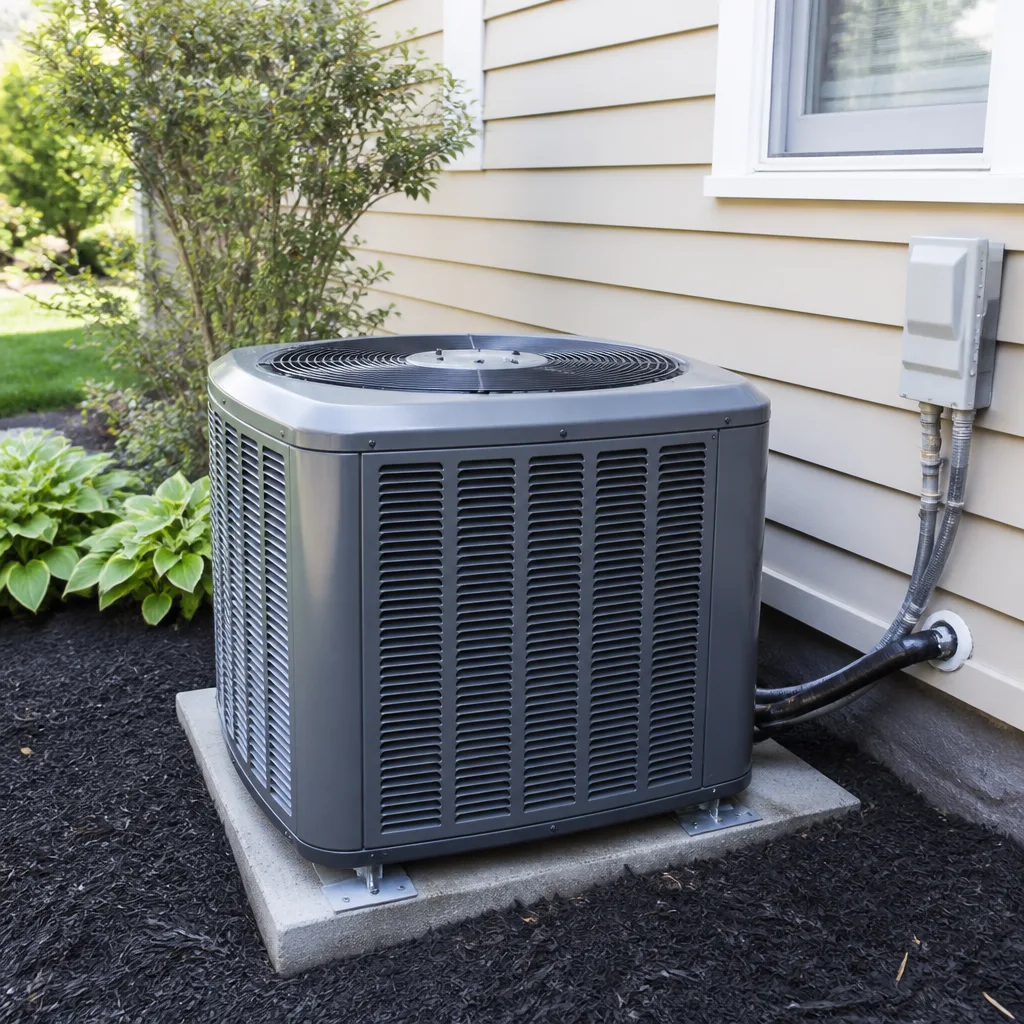 AC repair
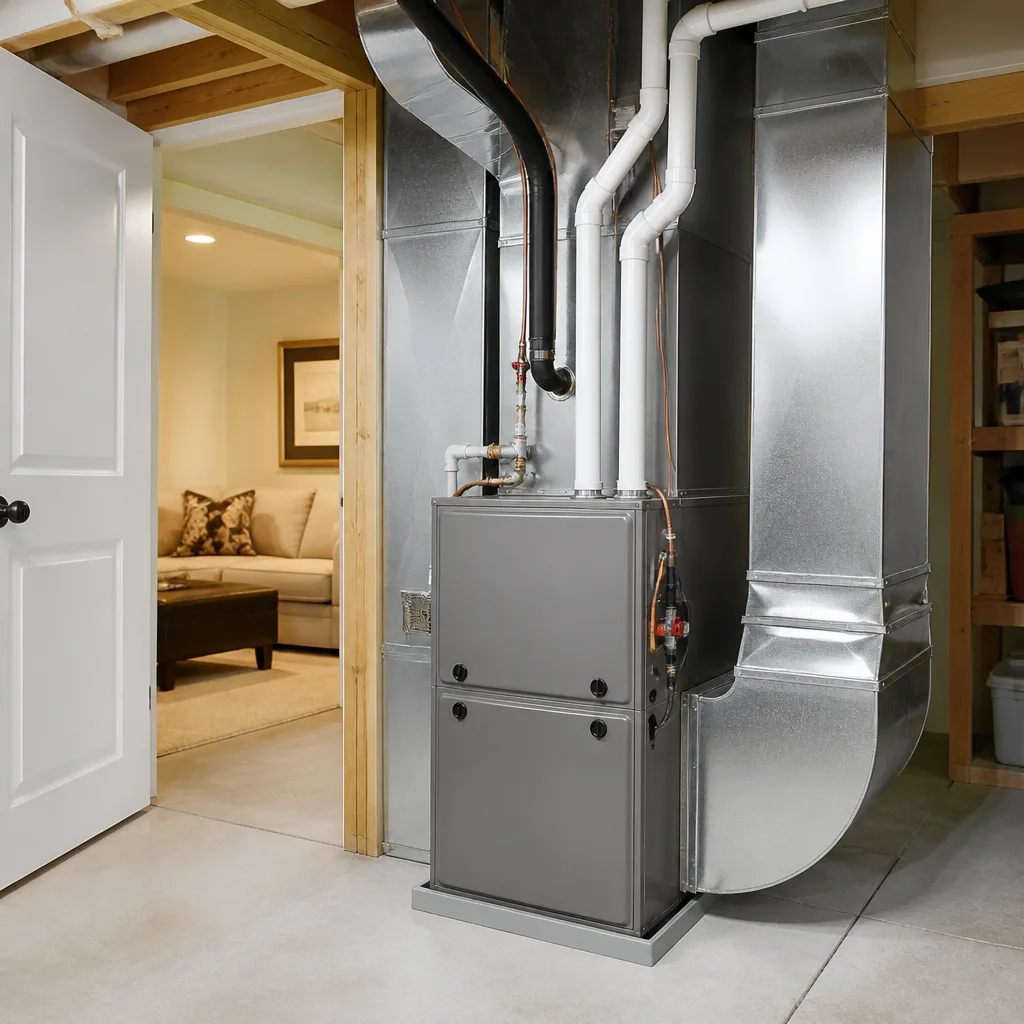 Furnace & heating
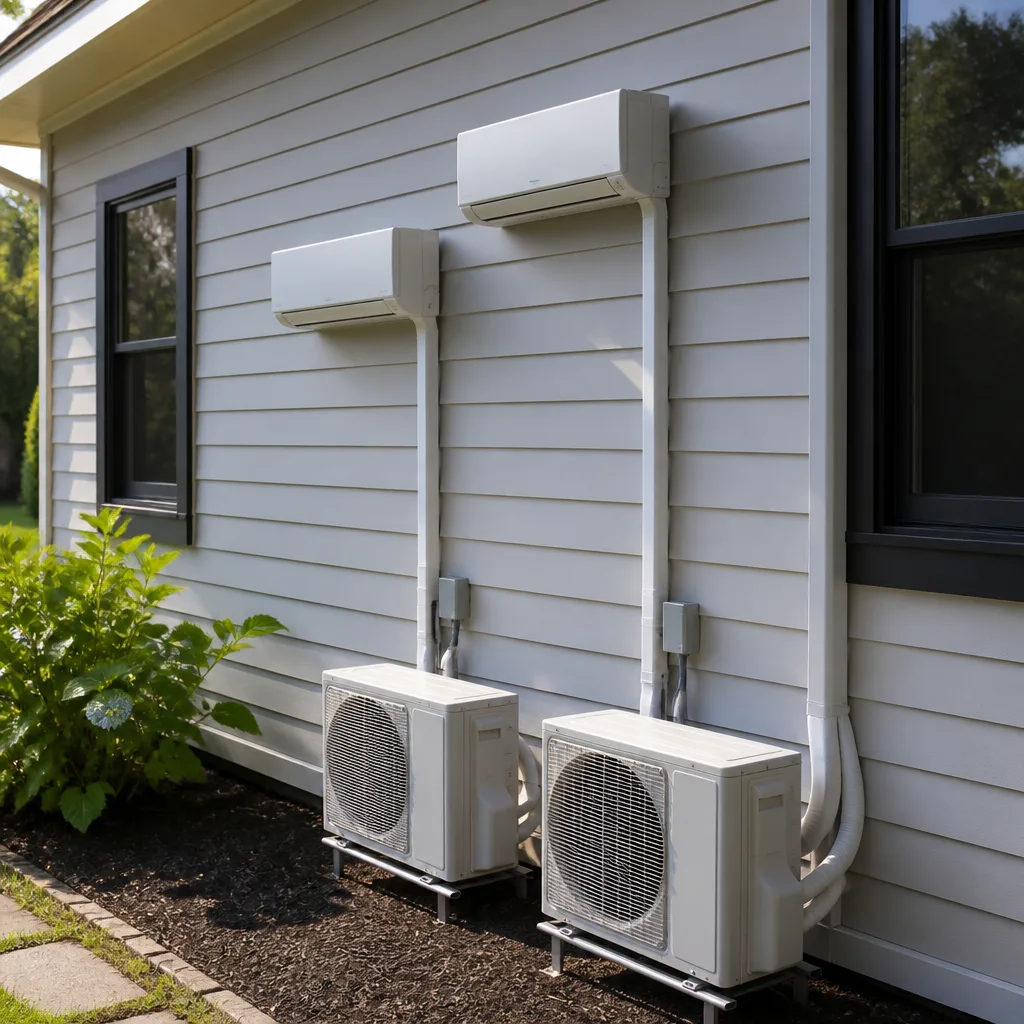 Ductless mini splits
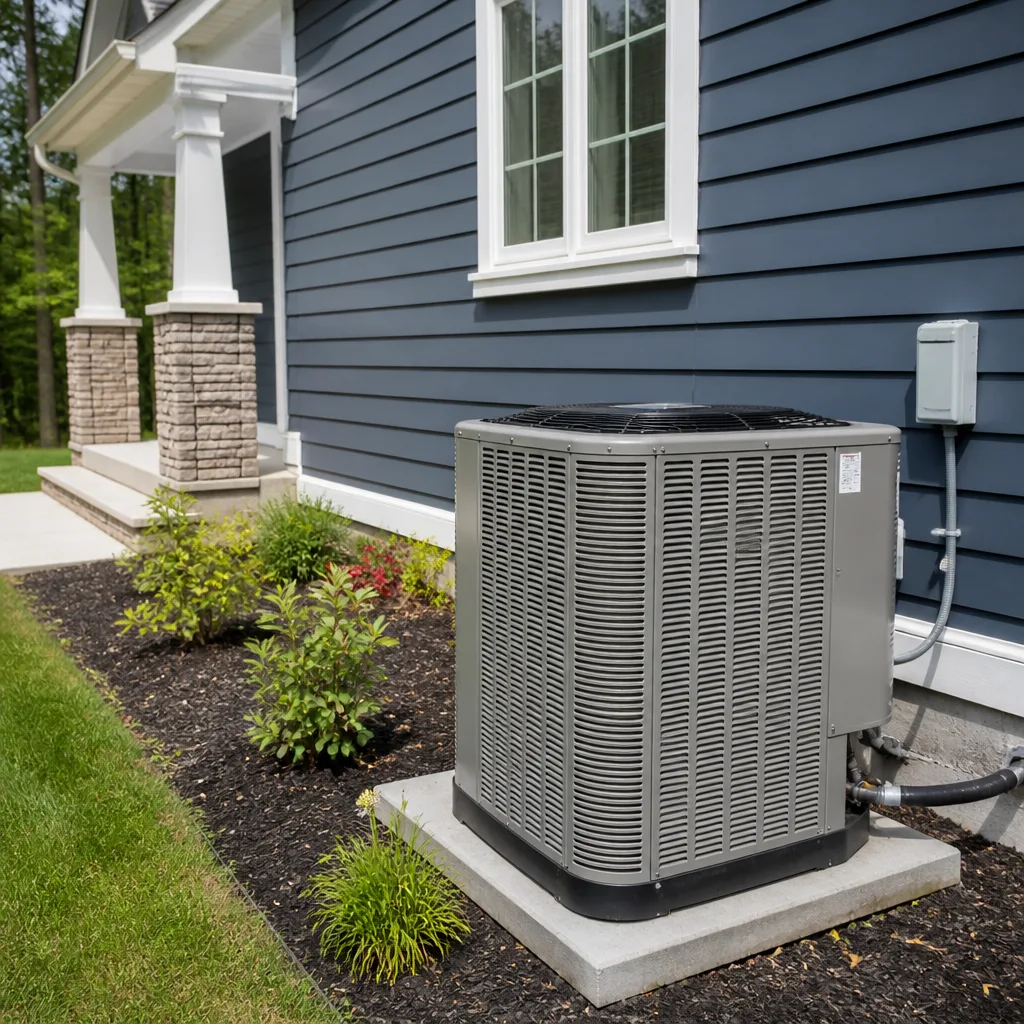 Carrier
 Trane
Trane Goodman
Seasonal tune-up and full diagnostic on your Carrier, Trane, or Goodman system - readings shown to you before any repair is proposed
Diagnosis first, numbers second - you approve the repair price before a single part goes in.
Get your free estimateSeasonal HVAC Care for Atlanta: Year-Round Homeowner’s Guide
Atlanta homeowners run their heat pumps in cooling mode as late as mid-October and as early as late February, which means the standard “fall HVAC tune-up” advice written for Chicago or Boston lands squarely in the middle of Atlanta’s second-heaviest cooling load. The timing advice most national guides publish is backwards for this market. This guide replaces the generic four-season template with something that actually matches Atlanta’s thermal calendar: a 9-month cooling season, a 6-week heating season, and two narrow transition windows where nearly all preventive maintenance needs to happen. For a broader look at system options and care, see our Complete Guide to HVAC in Atlanta. You’ll learn exactly what to do, when to do it, what it should cost, and when to call a professional.
Quick Answer
Seasonal HVAC care in Atlanta means servicing your system twice a year, but not in the months most guides recommend. The two critical windows are late February to mid-March, before pollen season and the first 85°F day, and mid-October to early November, before the first hard freeze. Between those windows, monthly DIY tasks like filter changes, condensate line flushes, and outdoor coil rinses keep your system running through Atlanta’s long, humid cooling season. Most seasonal maintenance tasks take under 15 minutes and cost nothing; a professional tune-up in Atlanta typically runs $89 to $189 depending on what’s included. For a detailed breakdown of what should be checked, see our AC Repair Maintenance Checklist for Atlanta Homeowners.
Styles & brands we work with
Table of Contents
- Atlanta’s Actual HVAC Calendar (Not the Four-Season Version)
- The February – March Window: Atlanta’s Most Valuable Maintenance Slot
- Heat Pump Auxiliary Heat Management in Atlanta Winters
- Atlanta Summer Storms: Surge Protection, Drainage, and Unit Clearance
- Monthly DIY Tasks: What Every Homeowner Can Do in 15 Minutes
- Year-at-a-Glance Reference Table
- Common Mistakes to Avoid
- When to Call a Professional
Atlanta’s Actual HVAC Calendar (Not the Four-Season Version)
Atlanta’s climate data tells a story most HVAC guides ignore. According to NOAA, Atlanta averages 90 days per year at or above 85°F and just 38 days per year at or below freezing. The city’s first 85°F day typically arrives in late March, and the last one usually lingers into late October. That’s a cooling season stretching roughly 210 days. By contrast, the heating season that matters, the stretch where your heat pump runs daily in heating mode, lasts about 45 days, from mid-December through late January.
Here’s the month-by-month reality for HVAC systems in Atlanta:
- January: Average high 52°F, low 33°F. Heating mode runs steady. This is when heat pump auxiliary strips get their heaviest workout if the thermostat is configured wrong. Cold snaps can dip into the teens.
- February: Average high 57°F, low 36°F. Heating still runs, but the first warm days appear. Late February is the calm before the pollen storm. Best month for pre-season cooling maintenance.
- March: Average high 65°F, low 43°F. Pollen begins. First 85°F day usually arrives mid-to-late March. Cooling season starts before spring officially does. Systems that haven’t been serviced fail here.
- April: Average high 73°F, low 50°F. Cooling mode becomes daily. Pollen peaks. Outdoor coils clog with yellow film. Humidity rises steadily.
- May: Average high 80°F, low 59°F. Full cooling operation. Humidity becomes the primary enemy. Condensate lines run constantly and clog in systems with existing sludge.
- June: Average high 86°F, low 67°F. Afternoon convective storms begin. Power flickers become common. Surge damage season opens.
- July: Average high 89°F, low 70°F. Peak cooling load. Systems run 14-18 hours daily. This is when undercharged systems, weak capacitors, and failing blower motors show themselves.
- August: Average high 88°F, low 70°F. The hardest month on HVAC equipment in Atlanta. Humidity plateaus with overnight lows staying above 70°F, meaning your system never gets a break.
- September: Average high 82°F, low 65°F. Cooling load eases slightly, but humidity persists. Good month to catch up on neglected maintenance before the final warm stretch.
- October: Average high 73°F, low 53°F. Cooling still runs, especially early in the month. Late October is the second critical maintenance window: prep for heating season.
- November: Average high 63°F, low 43°F. First hard freeze typically arrives mid-month. Heating mode begins. Systems with dirty flame sensors or weak igniters fail on the first cold night.
- December: Average high 54°F, low 36°F. Heating season proper. Systems that weren’t serviced in October or November start showing problems.
This calendar explains why the “spring tune-up” and “fall tune-up” schedule most national brands recommend doesn’t line up with what actually breaks HVAC equipment in Atlanta. A March 15th tune-up is late for Atlanta. Your system has already handled its first 80°F day by the time most spring maintenance campaigns even start. Meanwhile, a late September “fall tune-up” arrives while Atlanta is still running cooling at full tilt.
The February – March Window: Atlanta’s Most Valuable Maintenance Slot
Late February through mid-March is the single most valuable time to service an HVAC system in Atlanta. Here’s why: it’s the only stretch of the year when your system is switching from light winter duty to the hardest 200+ day workload it will face, and it’s also the calm before Atlanta’s pollen season blankets every outdoor unit in a sticky yellow film. Catching problems in this window means fixing them before they cost you a no-cooling emergency in July.
What a February – March service should include:
- Outdoor coil cleaning: Remove winter leaves, dirt, and debris before pollen adds a sticky layer on top. A coated coil can reduce efficiency by up to 30% and drive up June utility bills.
- Refrigerant charge check: A system low on refrigerant will cool poorly and run longer. Catching a small leak in March costs far less than a compressor failure in August.
- Capacitor testing: Capacitors are the most common repair part we replace in Atlanta. Heat and voltage stress kill them. Testing in March means replacing a $15 part before it takes out a $400 compressor.
- Condensate drain flush: Atlanta’s summer humidity will push gallons of water through this line daily. Starting the season with a clean line prevents the most common source of ceiling damage in Atlanta homes.
- Thermostat programming check: Verify settings so auxiliary heat strips don’t engage during mild spring nights. This alone can cut winter utility bills by 20-30% on heat pump systems.
- Airflow verification: Check the blower motor and duct static pressure. Restricted airflow is the silent killer of heat pump compressors and evaporator coils.
We’ve seen the pattern repeat for years in neighborhoods from Buckhead to East Atlanta to Decatur: every March, service calls spike for systems that were neglected through February. Every July, emergency replacement calls spike for systems that skipped the March service. The fix is simple: book the service in late February or early March, before the first 85°F day. In Atlanta, the first 85°F reading usually arrives between March 18 and March 31, which means booking before mid-March puts you ahead of the failure curve.
If you’d rather have someone else handle the full checklist, our AC Repair in Atlanta page covers tune-up and service details, and every visit includes a written price before any work starts.
Heat Pump Auxiliary Heat Management in Atlanta Winters
Most Atlanta homes use heat pumps for both heating and cooling. Heat pumps are efficient because they move heat rather than generate it, but they have a built-in inefficiency that costs Atlanta homeowners real money every winter: the auxiliary heat strips. Auxiliary heat strips, often called electric resistance heat or emergency heat, are coils inside the air handler that generate heat the way a toaster does. They work, but they use two to three times more electricity than the heat pump itself to produce the same warmth.
The problem: many thermostats in Atlanta are programmed to engage auxiliary heat far too aggressively. The default setting on many units triggers the strips any time the outdoor temperature drops below 40°F or whenever the thermostat is raised more than 2°F at once. Modern heat pumps can still extract useful heat from Atlanta air down to about 25°F or lower. Atlanta only spends a handful of days per year below 25°F. That means properly configured systems should run their auxiliary strips rarely, not nightly from December through February.
Here’s what to check on your thermostat:
- Find the auxiliary heat lockout setting. Better thermostats, including models from Ecobee, Honeywell, and Nest, allow you to set a temperature below which auxiliary heat will not engage unless there’s a call for a large temperature rise. For Atlanta, a lockout of 30°F is a good starting point. Some homes can go as low as 25°F, but older heat pumps may struggle below 30°F.
- Disable the “comfort” or “aggressive recovery” mode. Many thermostats default to a setting that engages auxiliary heat whenever you raise the setpoint by more than 2°F. Switching to a gentler recovery mode lets the heat pump warm the house on its own, just a bit more slowly, without burning strips.
- Check your emergency heat setting. Emergency heat is a different function from auxiliary heat. It should only engage when the outdoor unit is not working at all, meaning the system is dead and you’re heating solely with strips. If your thermostat is accidentally set to emergency heat mode, you’ll see a significant bill spike.
This is a common fix we handle for customers during Furnace Repair in Atlanta visits. It’s also something a homeowner with a decent thermostat manual can handle in 15 minutes. The payoff is real: reducing unnecessary auxiliary heat use can cut December-through-February electric bills by $50 to $150 per month depending on home size and thermostat habits.
Atlanta Summer Storms: Surge Protection, Drainage, and Unit Clearance
Atlanta’s summer weather pattern includes near-daily afternoon convective storms from June through August. These storms bring three specific risks to HVAC equipment that most seasonal maintenance guides ignore entirely: power surges, condensate overflow, and outdoor unit obstruction from wind-blown debris. Each is tied to weather events, not calendar dates, which means protecting your system means preparing in May and checking after every major storm.
Power surges. Lightning and grid flicker during storms are the leading cause of fried control boards and dead compressors in Atlanta. An HVAC control board replacement typically runs $200 to $500. A surge-damaged compressor on an older system often pushes the repair-replace decision toward a full system swap. A whole-home surge protector installed at the electrical panel costs roughly $300 to $600 installed and protects not just your HVAC equipment but everything else plugged into your walls. A dedicated HVAC surge protector at the disconnect box near the outdoor unit costs about $100 to $200 and is a solid minimum if a whole-home unit isn’t in the budget.
Condensate drainage. During Atlanta’s humid summer weeks, a functioning system can produce 10 to 20 gallons of condensate per day. That water flows from the evaporator coil into a drain line that runs to a floor drain, a utility sink, or outside. Sludge, algae, and debris in that line cause backups. When the line clogs, water overflows into the air handler or the surrounding ceiling, and that is when we get called for emergency water damage. Monthly dosing with white vinegar or a commercial condensate cleaner, about a cup poured into the drain line access point, prevents most clogs. A proper flush with water or compressed air takes a few minutes and should happen at the start of June and again in August, which is the wettest month for indoor humidity.
Outdoor unit clearance. Convective storms bring wind gusts that deposit leaves, pine needles, grass clippings, and sometimes roofing shingles around and inside the outdoor unit. Anything within two feet of the unit restricts airflow, and anything leaning against the coil surface acts as an insulating blanket that drives up head pressure and shortens compressor life. After a storm with significant wind, check the unit and clear debris from the top, the coil sides, and the area around the base. While you’re there, verify the unit is still level. A unit tilted after a storm can strain the compressor and cause oil circulation problems.
Monthly DIY Tasks: What Every Homeowner Can Do in 15 Minutes
Between professional service visits, there’s a short list of monthly tasks that keep an Atlanta HVAC system running right. None of these require tools beyond a screwdriver and a garden hose, and each takes under 15 minutes. Doing these monthly eliminates about half of the service calls we run in Atlanta during summer and winter peak seasons.
- Change or check the air filter. In Atlanta, 1-inch pleated filters should be changed every 30 – 60 days during cooling season, more often during pollen season from late March through May. A clogged filter restricts airflow, which raises the evaporator coil temperature, which leads to freezing and eventual compressor damage. This is the single highest-ROI maintenance task that exists.
- Pour a cup of distilled white vinegar down the condensate drain line. This keeps algae and sludge from building up. Do it the first week of every month from April through October. In winter months, monthly dosing is optional since condensation production drops substantially.
- Inspect the outdoor unit. Walk around it. Look for weeds growing close to the unit, leaves inside the coil fins, dog urine corrosion on the bottom pan, or any visible damage from lawn equipment. Keep a 2-foot clear zone on all sides and at least 5 feet of overhead clearance.
- Rinse the outdoor coil with a garden hose. Once a month during pollen season and once after any major storm. Use a gentle spray, not a pressure washer, and spray from the inside out to push debris away from the coil face. Turn off the disconnect switch near the unit first.
- Check supply vent airflow. Walk through the house and feel each vent. Reduced airflow at one or two vents usually means a duct issue or a damper that’s closed. Reduced airflow everywhere means a filter or blower issue. Neither is going to fix itself.
- Listen for new sounds. A start-stop rattle, a hum that’s louder than normal, or a hissing sound near the outdoor unit all warrant attention. Heat pump compressors make normal noise, but a change from the norm is usually meaningful.
If any monthly task turns up something that concerns you, particularly refrigerant hissing, electrical buzzing, or water where it shouldn’t be, don’t ignore it until the next season. Most AC Repair in Atlanta calls start with a problem that was visible or audible weeks before it became a failure.
Year-at-a-Glance Reference Table
This is the table to print and post in your utility room or tape inside the air handler closet door. It condenses the entire Atlanta HVAC year into a single page. The DIY time estimates assume a homeowner with basic familiarity; your first time doing any task will take longer.
| Month | Task | DIY Time | Call a Pro? |
|---|---|---|---|
| January | Change filter; check thermostat aux heat settings | 10 min | Only if heating fails or electric bill spikes |
| February | Schedule full system tune-up for late Feb or early March | 5 min | Yes – book the pre-season service |
| March | Professional tune-up; start monthly filter checks; rinse coil after pollen starts | 15 min DIY + pro visit | Yes – if not done in February, do it now |
| April | Change filter more often during pollen peak; dose condensate line with vinegar | 10 min weekly for filter | Only if cooling struggles |
| May | Install surge protection if not already done; verify condensate drains freely | 30 min or pro install | Recommended for surge protector installation |
| June | Post-storm outdoor unit checks; monthly vinegar dose; filter change | 15 min per check | If you see water or hear new sounds |
| July | Monthly filter change; monitor utility bill for unexplained spikes | 10 min | If cooling weak or electric bill jumps 20%+ |
| August | Second condensate flush; check outdoor unit clearance and level | 20 min | If coil is coated in pollen or unit is not level |
| September | Filter change; start watching for shoulder-season scheduling | 10 min | No urgent need |
| October | Schedule heating season tune-up for late October | 5 min | Yes – book before first freeze |
| November | Heating tune-up if not done; test heat mode before cold snap | 15 min DIY test | Yes – if heat doesn’t work on first test |
| December | Monthly filter change; monitor aux heat runtime | 10 min | If system runs constantly or aux heat stays on |
One note on the table logic: the “Call a Pro” column says yes in February/March and October/November because those are the two windows where professional attention pays for itself. A skipped March tune-up and a skipped November heat check are the two decisions we see lead most directly to mid-summer and mid-winter emergencies in Atlanta.
Common Mistakes to Avoid
In 20+ years of working on Atlanta HVAC systems, here are the specific mistakes that keep showing up in service records, and what they cost homeowners.
- Changing the filter on a strict 90-day schedule. Atlanta’s pollen season from late March through May clogs a 1-inch filter in 30 days or less. A 90-day schedule means your system runs with a loaded filter for two full months during its heaviest workload. Check monthly and change when it looks dirty, which in Atlanta means much more often than the packaging claims.
- Ignoring the condensate line until water appears on the ceiling. By the time water is visible, the clog has been building for weeks. The monthly vinegar dose costs about 10 cents and prevents a $500 to $1,500 water damage repair. In Atlanta’s summer humidity, this is the most preventable expensive problem on the list.
- Setting the thermostat to 68°F in summer. An Atlanta home with a properly sized system will struggle to hold 72°F on a 95°F day. Setting it to 68°F means the system runs nonstop, never reaches the setpoint, and freezes the coil. Frozen coils thaw into water damage. A realistic cooling setpoint in Atlanta is 74°F to 78°F during peak summer.
- Planting shrubs and flowers too close to the outdoor unit. Every year we see units surrounded by azaleas, boxwoods, or decorative grasses that looked fine when planted and five years later block 60% of the coil’s airflow. Give the unit a 3-foot radius and prune anything that encroaches. It’s a 15-minute landscaping fix that prevents a $300 to $500 repair and permanently higher bills.
- Skipping the October heating check because the AC still works. In Atlanta, the AC running in October tells you nothing about whether the heat will work in December. Heat pumps have a reversing valve, a defrost board, and auxiliary heat strips that all sit dormant for 8+ months. Testing heat mode in late October, not after the first freeze, is the difference between a scheduled fix and an emergency call on a 20°F night.
- Buying the cheapest air filter available. The $2 fiberglass flat panels do almost nothing for Atlanta’s fine particulate pollen and dust. They allow coils and blowers to load up. Use a pleated filter with a MERV rating between 8 and 13, and change it monthly during heavy seasons. This single upgrade keeps the indoor coil from turning into a black mat of Atlanta pollen paste.
When to Call a Professional
Some HVAC work belongs in professional hands-see our DIY vs Professional HVAC guide for the full decision framework. Refrigerant is regulated by the EPA and requires certification to handle. It’s not a DIY fluid, and guessing at it can damage your compressor permanently. Electrical components inside the air handler and outdoor unit carry 240 volts, which is enough to kill you, and enough to damage the equipment if handled wrong. Any work involving the compressor, the reversing valve, or the control board is a professional job.
In our experience, the right time to call is whenever something is outside your comfort zone or your system’s behavior changes in a way you can’t explain. A higher-than-normal electric bill, reduced airflow, strange smells, water where it hasn’t been before, or a system that runs constantly without reaching the setpoint are all legitimate reasons to get a professional diagnosis. Halden Heating and Air Atlanta home details how we work, and our AC Installation in Atlanta page applies if a diagnosis reveals the system is past its useful life. Halden Heating and Air Atlanta offers free estimates in Atlanta, call (912) 616-5481.
See the difference
 Before
 After
After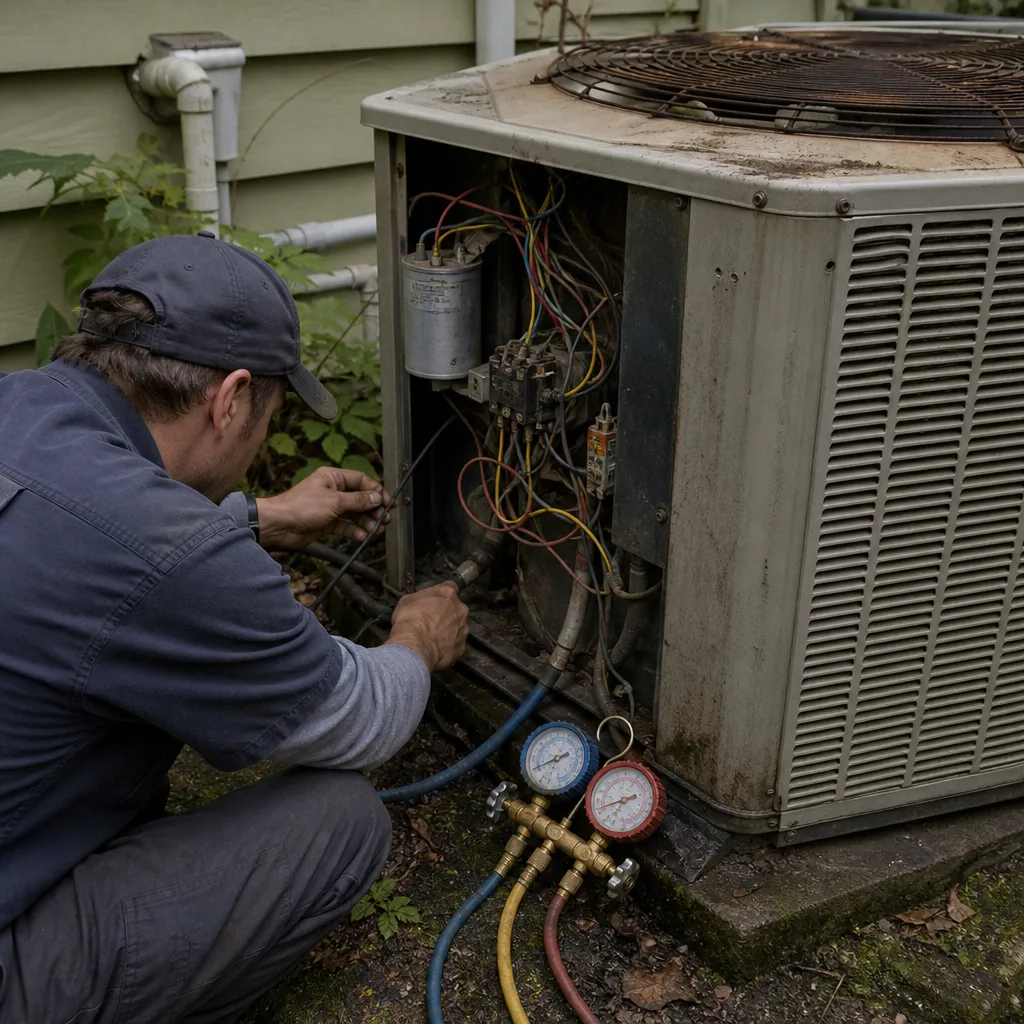 Before
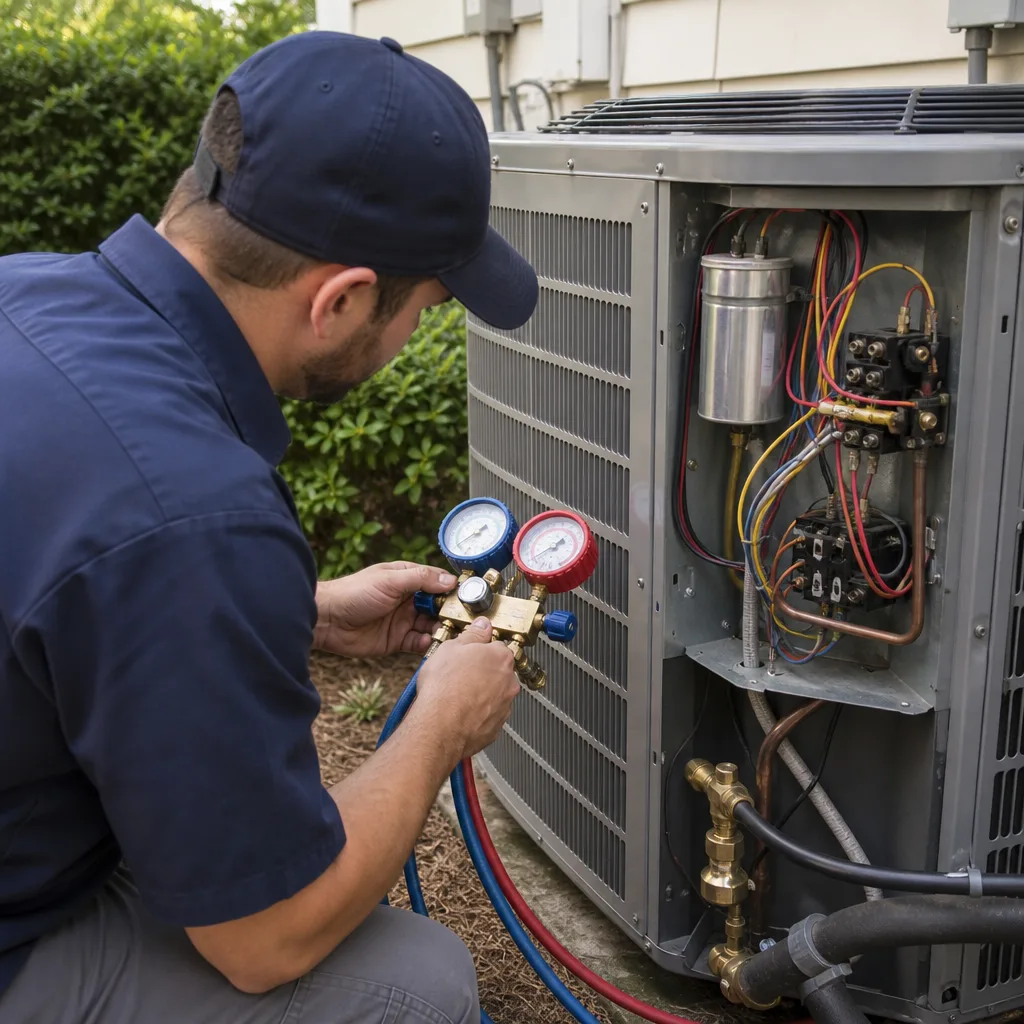 After
After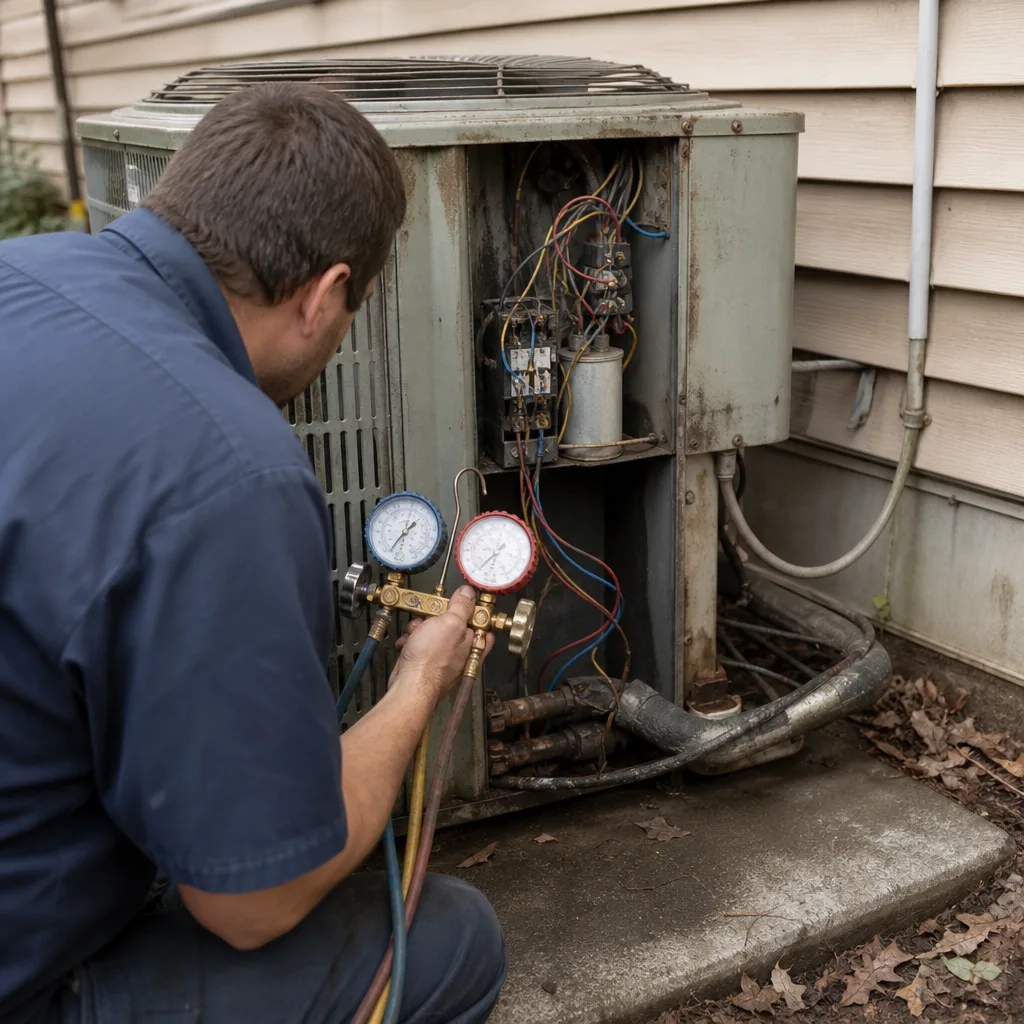 Before
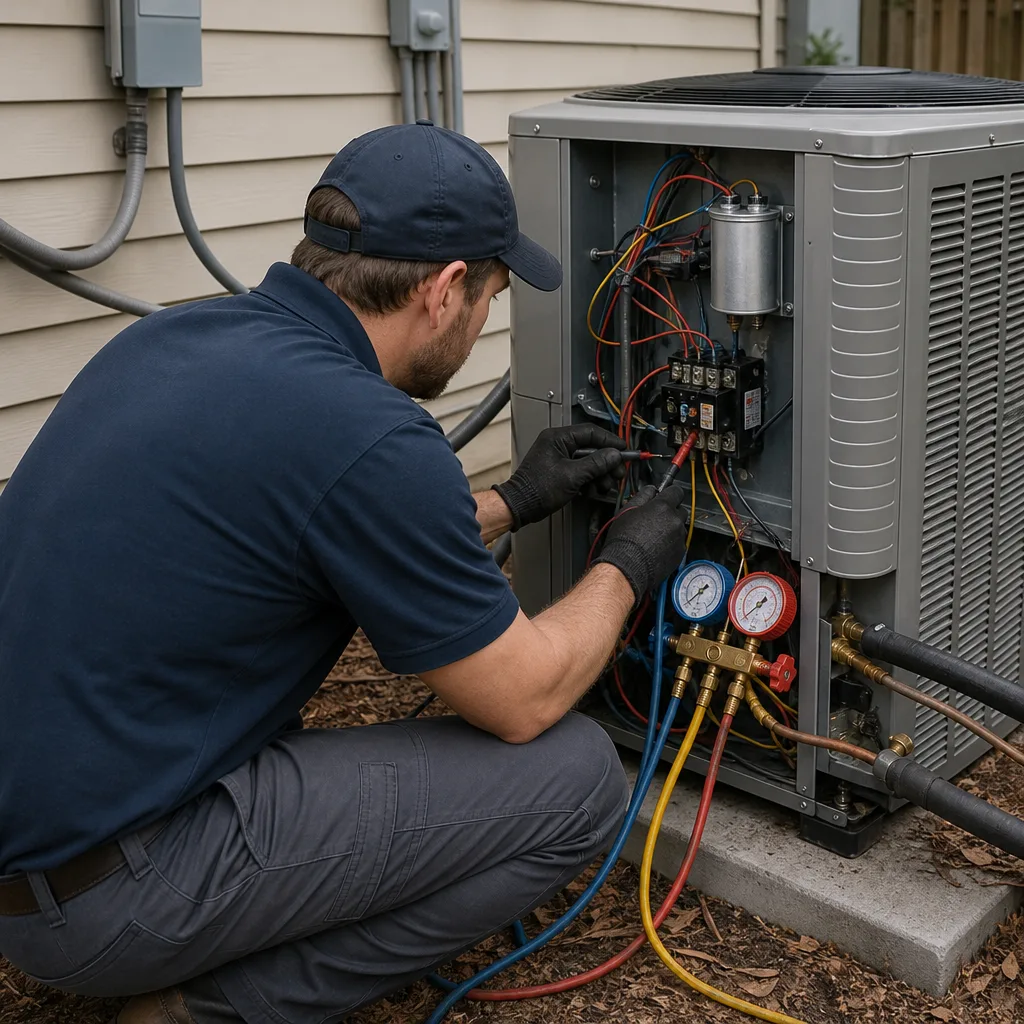 After
AfterFrequently Asked Questions
Twice per year is the right cadence for most Atlanta homes: once in late February or early March before cooling season, and once in late October or early November before heating season. Atlanta’s long cooling season means the spring service is the more important of the two, and skipping it is the most common cause of mid-summer failures we see. Some homeowners with newer systems or light usage can stretch to annual service, but twice-yearly is the safer default for a climate with 90+ days above 85°F.
A standard tune-up in Atlanta typically runs $89 to $189 depending on the scope and the company. That should include coil cleaning, drain flushing, electrical connection tightening, capacitor testing, refrigerant verification, thermostat calibration, and a written report of what was found. Beware of tune-ups advertised below $50; they’re usually a foot-in-the-door upsell vehicle, not a real service. At Halden Heating and Air Atlanta, every service includes a written price before work begins and a written guarantee on any repair.
Book it for late February or the first two weeks of March. Atlanta’s first 85°F day typically arrives by the end of March, and pollen starts coating outdoor units around the same time. A tune-up performed in mid-March catches pre-season problems before the first hot day, not after. Scheduling in April or May means your system has already run through the first warm stretch with whatever problems it carried out of winter. Call (912) 616-5481 to get on the schedule before the rush.
In most cases, constant winter operation means the thermostat is set to a temperature the heat pump can’t reach on its own, so the system runs continuously while auxiliary heat strips cycle in and out. The fix is usually a combination of a more realistic setpoint (68°F to 70°F in winter), a lower auxiliary heat lockout temperature, and a gentler recovery mode. If the system runs constantly even at mild setpoints, the problem could be low refrigerant, a failing reversing valve, or an undersized unit, and a professional diagnosis is the right next step.
Yes, and the most effective move is also the simplest: run a pleated filter with a MERV 8 to MERV 13 rating and change it every 30 days during the late March through May pollen peak. Keep windows closed and run the HVAC fan on “on” rather than “auto” during peak pollen weeks to continuously cycle air through the filter. For homes with allergy-sensitive occupants, a media cabinet filter upgrade can capture more fine particulate, but start with the basics before spending on add-ons.
No-cooling calls in June through August top the list by a wide margin, and the most common root causes are failed capacitors, dirty outdoor coils, and clogged condensate drains, all of which a March tune-up would have caught. The second most common emergency is no-heat calls in December and January, usually traced to dirty flame sensors on gas furnaces or failed reversing valves on heat pumps that weren’t tested before cold weather. Both are preventable with the two-window maintenance schedule described in this guide.
The Bottom Line
Atlanta’s HVAC calendar doesn’t look like the rest of the country’s, and your maintenance schedule shouldn’t either. Service the system in late February or March, service it again in late October, and handle the quick monthly tasks in between. Pay attention to how your heat pump uses auxiliary heat in winter, protect your equipment from Atlanta’s summer storm season, and keep that condensate line flowing during the months when it’s carrying 20 gallons a day. None of this is complicated, and none of it is expensive compared to the emergency calls it prevents. If you’d rather hand the whole calendar to someone else, that’s what we’re here for. You can also explore more guides & resources on our blog.
Written by Andre Fuller, Owner at Halden Heating and Air Atlanta, serving Atlanta since 2004.