

Last updated October 16, 2026
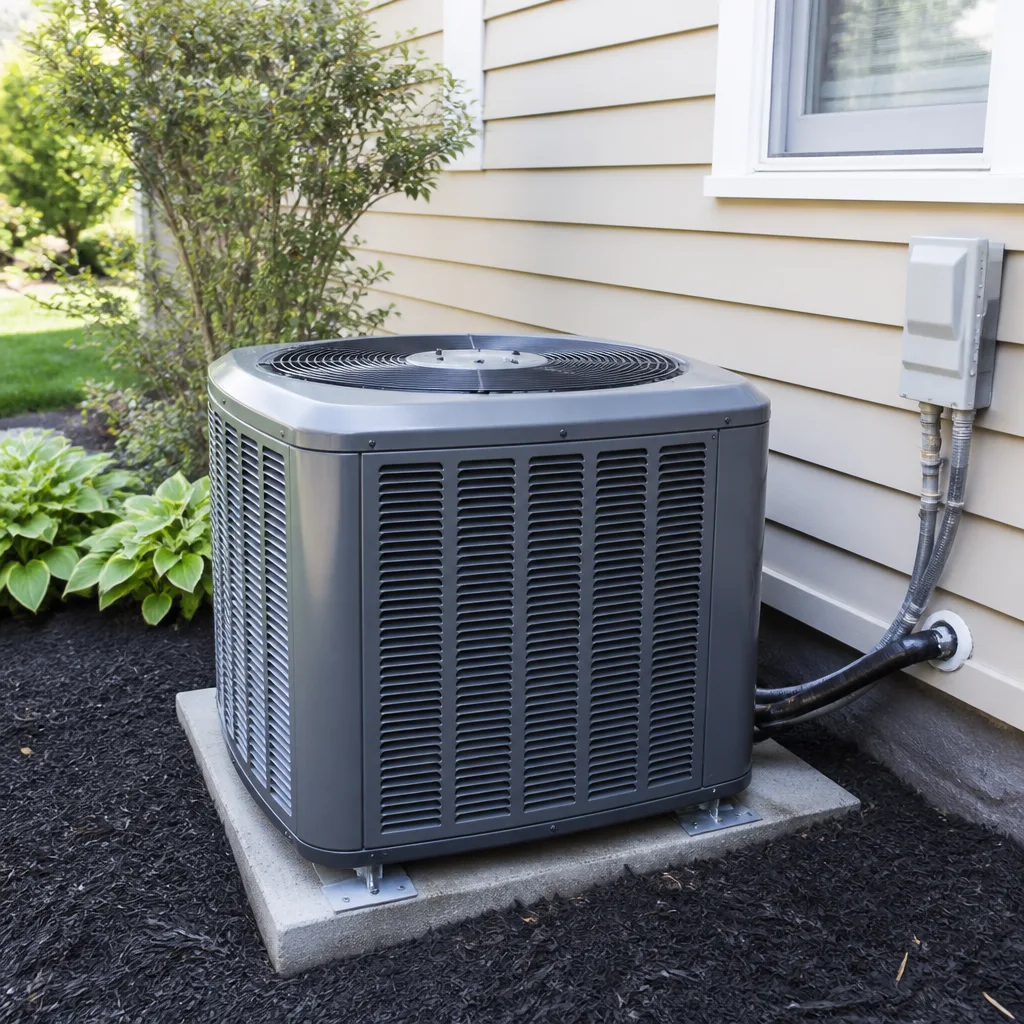 AC repair
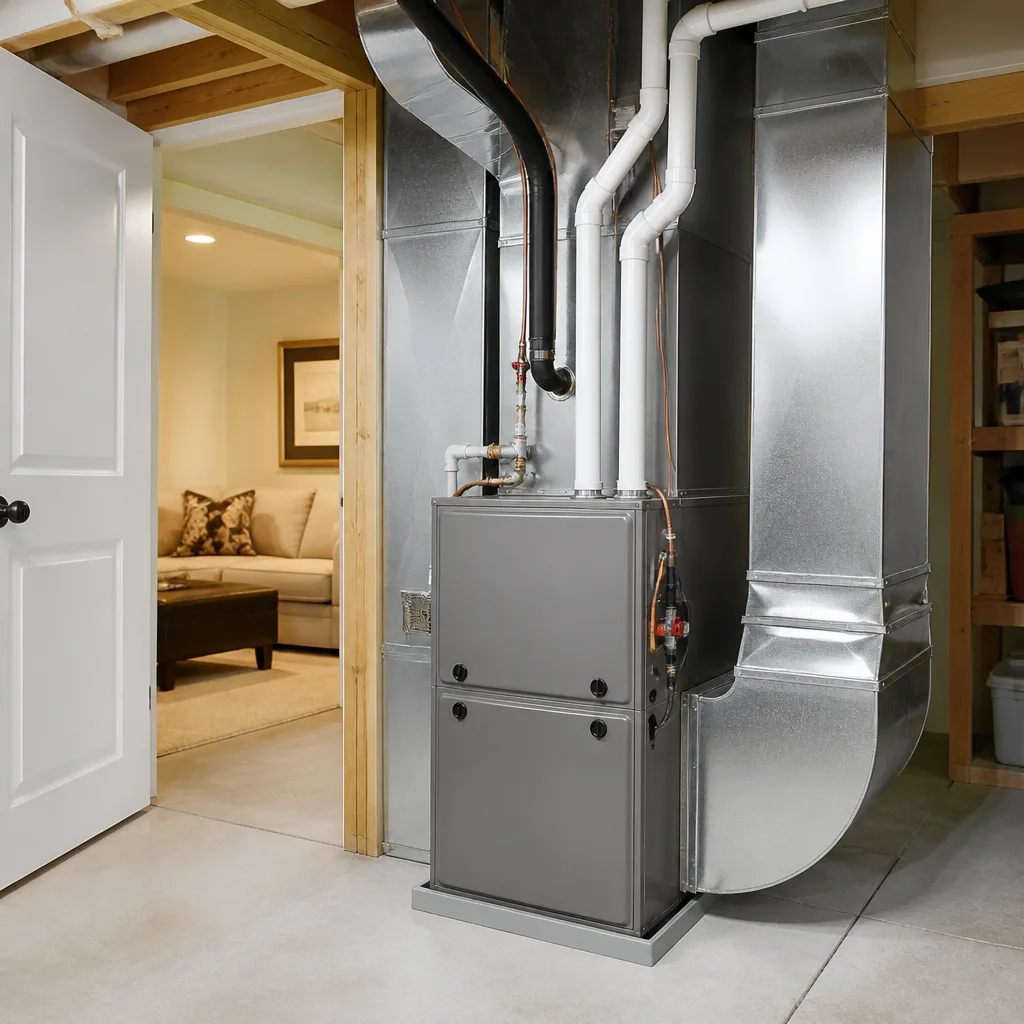 Furnace & heating
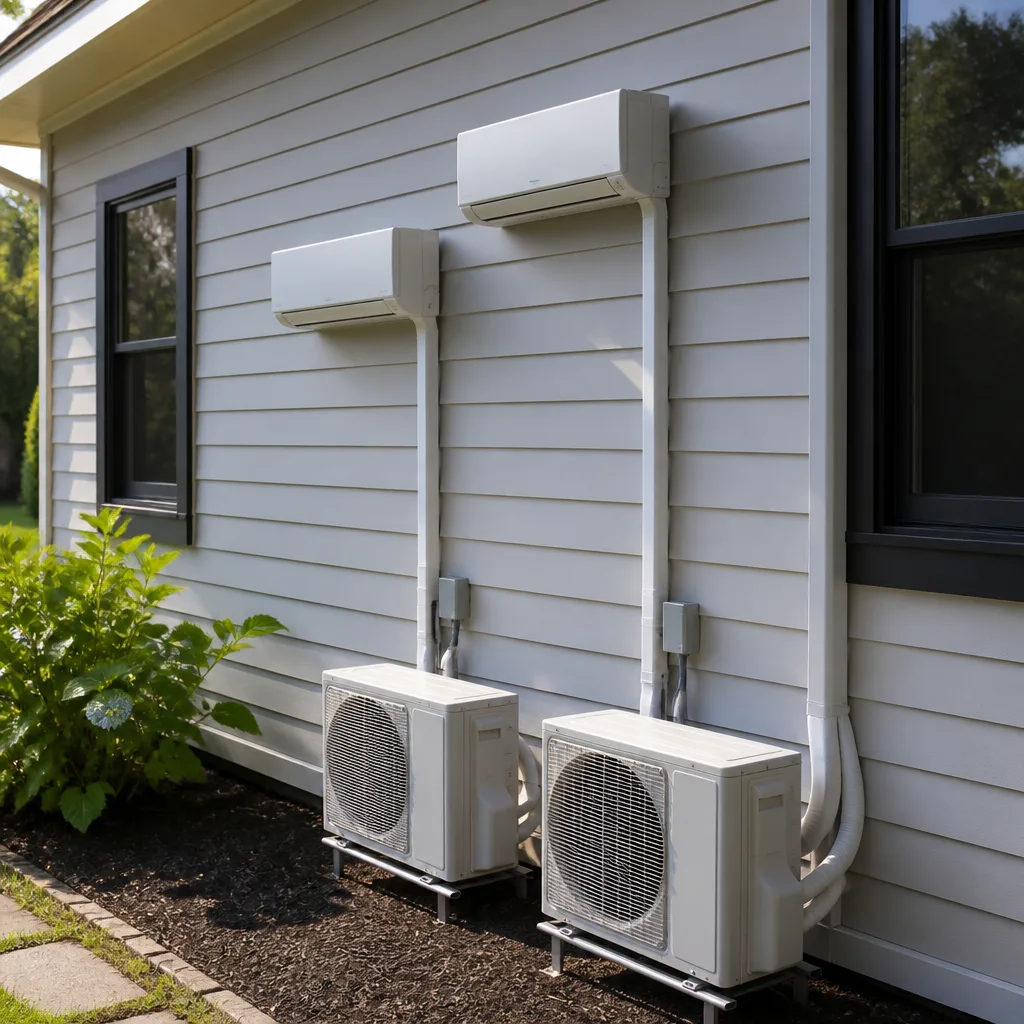 Ductless mini splits
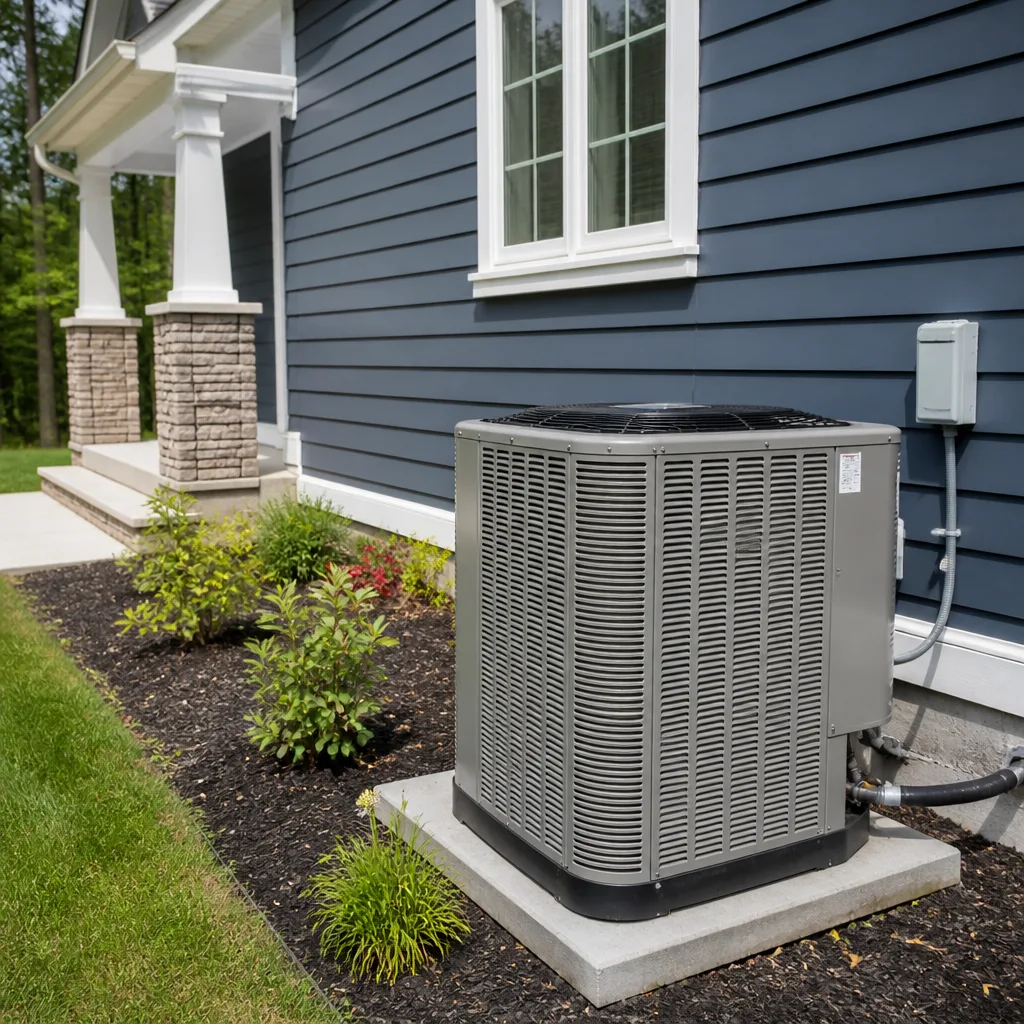 Carrier
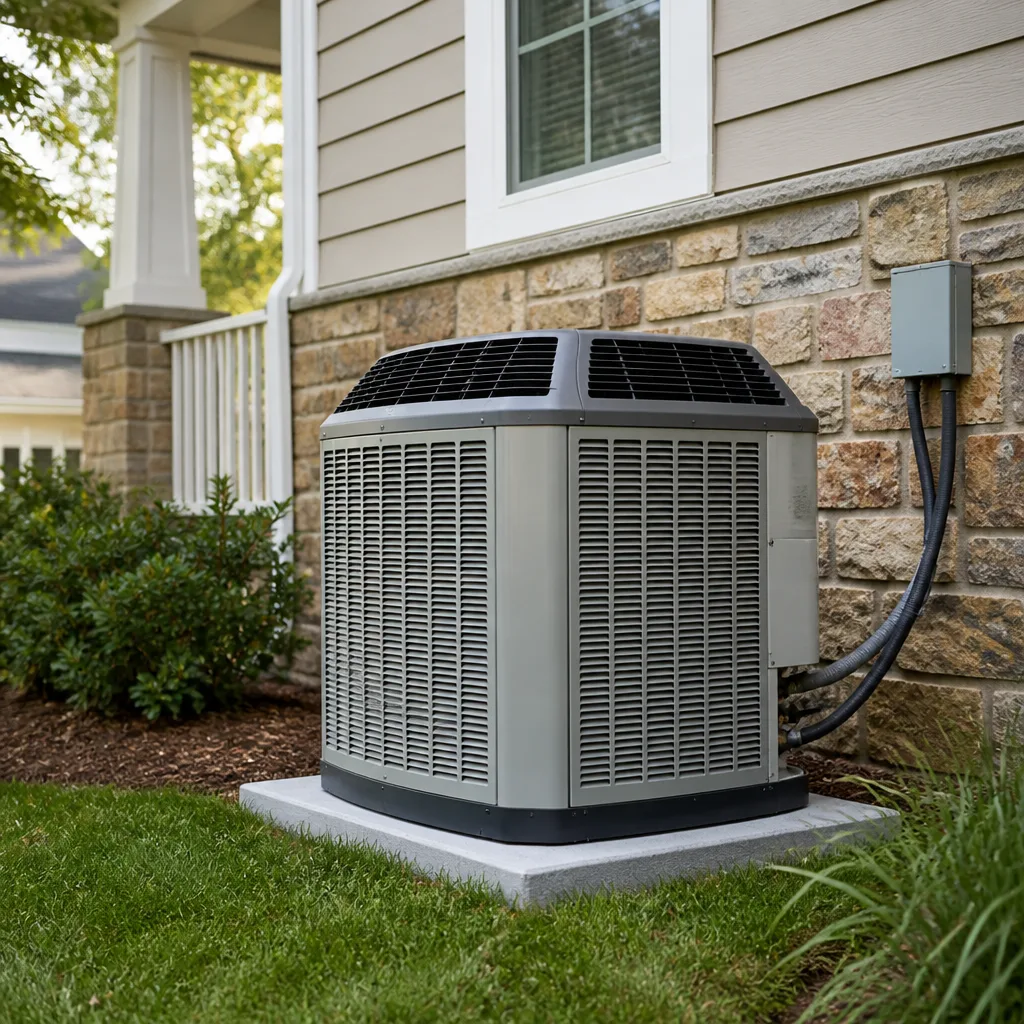 Trane
Trane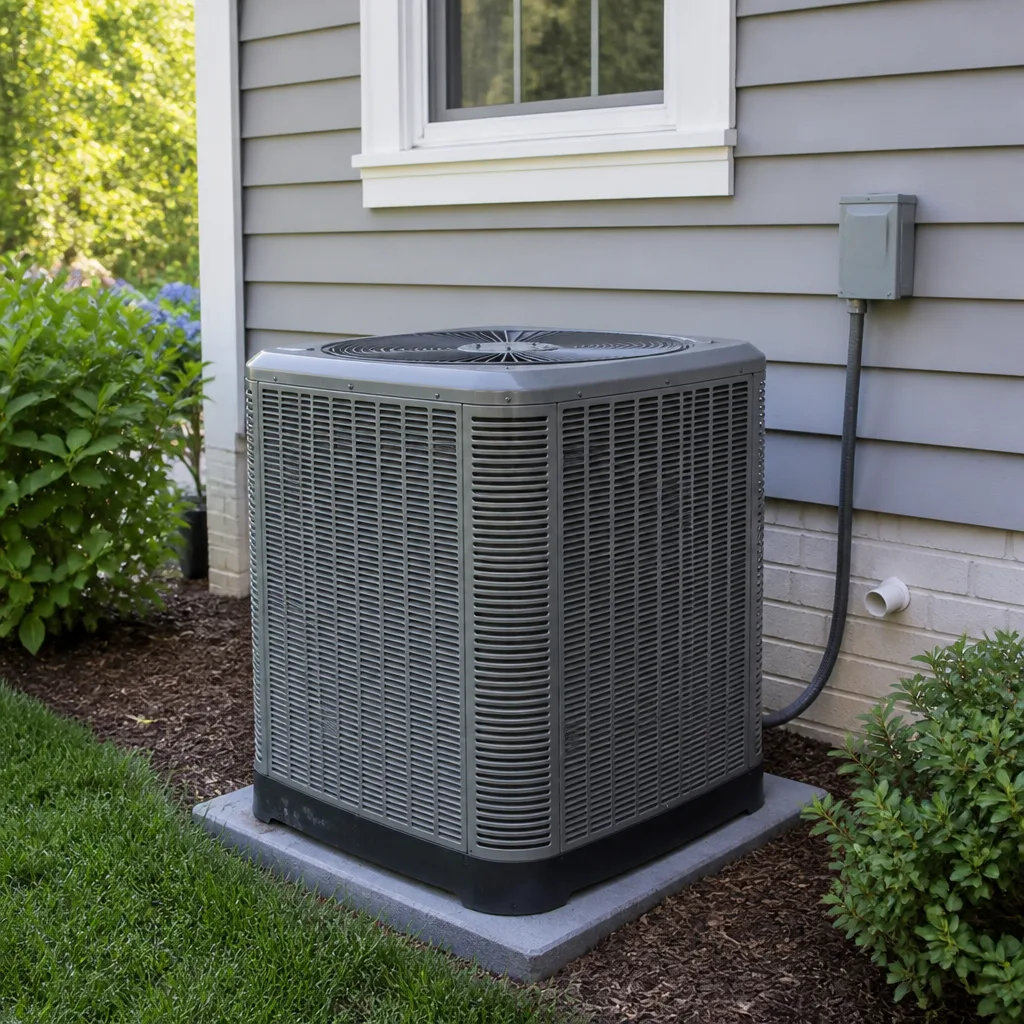 Goodman
Seasonal tune-up and full diagnostic on your Carrier, Trane, or Goodman system - readings shown to you before any repair is proposed
Diagnosis first, numbers second - you approve the repair price before a single part goes in.
Get your free estimateAC Repair Maintenance Checklist for Atlanta Homeowners
Most Atlanta AC breakdowns are not random. They are scheduled, just not by you. The first truly miserable week of June is when our dispatch board lights up in Atlanta, and almost every call traces back to one skipped task in April: a condensate drain that was never flushed, a coil buried in oak pollen, a capacitor that gave weeks of warning before it died. Homeowners search for The Complete Guide to HVAC in Atlanta only after the failure. This guide is organized the way failures actually happen, by consequence severity and load, not by calendar months that do not match how Atlanta’s cooling season actually behaves. You will learn which five tasks prevent 80 percent of emergency calls, which two weeks of pollen season matter most, and how to read your own utility bill as an early warning system before you ever need a repair.
Styles & brands we work with
Quick Answer
The highest-impact AC maintenance for Atlanta homeowners, in order of consequence, is: flush your condensate drain line monthly from May through September, check and replace your filter every 30 to 45 days, clean the outdoor coil after the late-March pollen peak, have a technician test the capacitor and contactor each spring, and track your kWh-per-degree-day on your Georgia Power bill for efficiency drift. A homeowner can do the first three. The electrical components and refrigerant checks should be handled by a licensed professional during an AC Repair visit.
Table of Contents
- Tier One: The Five Tasks That Prevent 80% of Breakdowns
- Tier Two: The Efficiency Tasks That Save 15% Over a Season
- The Condensate Drain Line: Atlanta’s Mold and Algae Problem
- Coil Inspection During Atlanta Pollen Season: The Two Weeks That Matter
- How to Read Your Utility Bill as a Maintenance Indicator
- What a Legitimate Before-and-After Photo Should Show
- Why Calendar-Based Checklists Fail in Atlanta
- Common Mistakes to Avoid
- When to Call a Professional
- Frequently Asked Questions
- The Bottom Line
Tier One: The Five Tasks That Prevent 80% of Breakdowns
After two decades of running service calls in Atlanta, we can tell you that the catastrophic failures almost never come from exotic causes. They come from five predictable points of failure, and each one has a specific, low-cost intervention. Skip these, and you are not rolling dice; you are waiting in line.
Here is the tier-one checklist, ordered by how quickly a skipped task becomes a breakdown in Atlanta’s climate:
- Condensate drain line flush (monthly, May through September). Atlanta’s humidity means your AC pulls gallons of water out of the air every day. That water carries dust, skin cells, and algae spores into the drain line. Once the line clogs, the float switch trips, and your system shuts down entirely. This is the single most common preventable call we run in Atlanta from June through August.
- Filter replacement (every 30 to 45 days during cooling season). A clogged filter starves the evaporator coil of airflow. The coil gets too cold, freezes, and then thaws into a puddle on your floor while the whole system strains. In a house with pets or a pollen-heavy neighborhood like Decatur or Druid Hills, check it at 30 days, not 45.
- Capacitor and contactor test (once per year, in April). These are the two electrical components that fail most often. A capacitor gives the compressor the jolt it needs to start. A contactor is the switch that turns the outdoor unit on and off. Both wear out gradually. When a capacitor fails, the system hums and won’t start. When a contactor fails, nothing happens at all. A technician tests both in under ten minutes.
- Outdoor coil cleaning (after spring pollen, then again mid-summer if needed). The outdoor unit pulls air through the coil to shed heat. When pollen, grass clippings, and cottonwood seed coat that coil, it cannot shed heat. The compressor runs hotter and harder. In Atlanta, the late-March oak and pine pollen surge is the single biggest assault on outdoor coils.
- Refrigerant level check (annually). A system that is even 10 percent low on refrigerant will lose cooling capacity and run longer cycles. That means higher bills and more wear on the compressor. Refrigerant does not get used up like gas; a low reading means a leak. Finding and fixing the leak early is the difference between a $200 repair and a $4,000 compressor replacement.
None of these tasks takes more than an afternoon if you combine them. The capacitor test and refrigerant check are the only ones that require a licensed technician, because they involve electrical components and a controlled substance. The rest are squarely doable for a homeowner who follows the specific steps in the sections below.
If you want the full tier-one checklist done in one visit, AC Repair in Atlanta includes a written price before any work starts, so you know exactly what the service call costs before a technician arrives.
Tier Two: The Efficiency Tasks That Save 15% Over a Season
Tier two tasks will not cause a breakdown in 30 days if you skip them. They cause a slower, quieter death: your system works, but it works harder, longer, and more expensively. In Atlanta, where cooling can run from April through October, a 10 to 15 percent efficiency loss compounds fast on your Georgia Power bill.
This is the “efficiency checklist,” organized by the size of the impact on your bill:
- Clean the evaporator coil (every 2 to 3 years, or annually if you have pets). This is the indoor coil that sits above your furnace or air handler. It collects dust, pet dander, and the fine grey film that sneaks past even a fresh filter. A dirty evaporator coil insulates the coil from the air, forcing the system to run longer to reach the same temperature. Cleaning it requires opening the indoor unit, so this is one to schedule with a technician unless you are comfortable with sheet metal and coil cleaner.
- Inspect and clean the blower wheel (every 2 to 3 years). The blower wheel is the squirrel-cage fan that pushes air through your ducts. Over time, the curved blades pick up a layer of dust that reduces airflow. Less airflow means less heat exchange, which means longer runtimes. In our experience in Atlanta, homes with kids and dogs need this done more often than the national average.
- Check ductwork for leaks and separation (annually). A disconnected duct in a hot attic loses cooled air into unconditioned space. You are paying to cool your attic. This is most common in older Atlanta homes where the original ductwork has been bumped by roofers, pest control techs, or cable installers. Walk your attic once a year and look for obvious gaps, hanging runs, or a kinked flexible duct.
- Calibrate and reposition the thermostat (if needed, once a season). If your thermostat sits in direct afternoon sun, it reads the wrong temperature and overcools the house. If it is near a supply vent, it satisfes too early and undercools. Move it, or at least block the sun. A properly placed thermostat can save real money in an Atlanta summer.
- Flush and level the outdoor unit pad (annually). Atlanta’s clay soil expands and contracts with rain and drought. An outdoor unit that has settled or tilted puts strain on the refrigerant lines and compressor. Level it with gravel or a composite pad, and make sure no mulch or leaves have piled against the coil.
These are not urgent tasks, but they are the difference between a system that cools the house at 2 p.m. on a 96-degree August day and one that runs flat out from noon to midnight. If you are planning a full system evaluation, AC Installation in Atlanta covers load calculations and the replacement decision, not just the tune-up.
The Condensate Drain Line: Atlanta’s Mold and Algae Problem
The condensate drain line is the most overlooked component on an Atlanta AC system, and it is also the one most likely to fail in a way that causes water damage to your home. Here is the direct answer: flush your condensate drain line monthly during cooling season with one cup of white vinegar or a commercially available drain line cleaner, and budget $8 for a float switch that shuts the system off automatically when the line backs up.
Every day your AC runs in Atlanta, it pulls anywhere from 5 to 20 gallons of moisture out of the indoor air. That water drips off the evaporator coil, into a drip pan, and out through a PVC pipe that runs to a drain or outside. The inside of that pipe is dark, wet, and warm. Algae and mold love it. In Atlanta’s humidity, the biological growth happens faster than in a drier climate like Phoenix or Denver.
Here is the failure sequence we see repeatedly in Atlanta:
- Algae and dust build a film on the inside of the drain line.
- The film thickens into a partial clog.
- The pipe backs up, and water rises in the drip pan.
- Without a float switch, the water overflows the pan, soaks the ceiling below the air handler, or floods the closet floor.
- The system keeps running because nothing told it to stop.
The $8 float switch prevents step four. It sits in the drip pan and cuts power to the system when the water level rises. Every Atlanta home should have one, and many older homes in neighborhoods like East Atlanta and Kirkwood do not.
For the flush itself, there are two approaches. The simple one: pour one cup of white vinegar down the drain line access point (often a T-fitting with a cap near the indoor unit) and let it sit for 30 minutes before flushing with water. This keeps the line clear during a normal season. The more aggressive one, for a line that has already shown signs of sluggish drainage: a wet/dry vac on the outside drain outlet, or a nitrogen flush from a technician. We do not recommend pouring bleach down the line; it corrodes the PVC and the evaporator coil over time.
As part of our Halden Heating and Air Atlanta home service area, every maintenance visit includes a drain line inspection and flush, and we document it in the before-and-after photos you receive with your invoice.
Coil Inspection During Atlanta Pollen Season: The Two Weeks That Matter
Atlanta’s tree pollen season is not a gentle dusting. In late March and early April, the oak and pine pollen count can exceed 2,000 grains per cubic meter. The Atlanta Allergy and Asthma pollen count regularly tops the national charts during those two weeks. For your outdoor AC coil, that is a direct hit.
Here is the specific problem. Your outdoor unit pulls air through the condenser coil to release heat. When that coil gets coated in pollen, the coating acts like a blanket. The coil cannot shed heat, which means the refrigerant stays hotter, which means the compressor works harder, which means the system draws more electricity and runs longer to hit the same indoor temperature.
A heavily pollen-loaded coil can cut airflow through the coil by 20 percent or more. That is not an estimate; it is what we measure with a manometer on service calls in Atlanta in April and May. The fix is straightforward: gently rinse the coil with a garden hose (not a pressure washer, which bends the thin aluminum fins) at a downward angle, after the bulk of the pollen has passed.
The two weeks that matter are the last week of March and the first week of April. This is when the oak trees in east Atlanta neighborhoods like Grant Park and Candler Park release their pollen in a visible yellow-green cloud. Clean the coil after that window closes, and you have removed the year’s biggest single debris load. If you have a cottonwood or pine near the unit, do a second rinse in May.
We also see a second, smaller pollen spike in early September from ragweed, but it is nothing compared to the spring tree pollen assault. A coil that gets the spring rinse and a quick check in midsummer will run all season in Atlanta without airflow loss from biological debris.
How to Read Your Utility Bill as a Maintenance Indicator
Your Georgia Power bill is the cheapest diagnostic tool you own. It never lies, and it updates every month. The trick is knowing which number to watch: not total cost, but energy usage per degree of cooling demand.
Here is how to calculate the metric yourself.
- Find the kWh used during a cooling month (June, July, August) on your bill.
- Find the average outdoor temperature for that month from a weather source like the National Weather Service’s Atlanta observation station.
- Subtract 65 from the average outdoor temperature. (65 is the base temperature for cooling degree days.)
- Multiply the result by the number of days in the month to get cooling degree days.
- Divide your kWh by the cooling degree days.
What you get is a number that represents how much electricity your house uses per unit of cooling demand. A properly maintained single-family home in Atlanta with a reasonably sized AC system typically runs between 1.5 and 2.5 kWh per cooling degree day. A home with a dirty coil, low refrigerant, a failing capacitor, or leaky ducts will run higher, on the order of 2.8 to 4.0.
The beauty of this metric is that it filters out weather and rate changes. A July that is 2 degrees hotter than average will raise your bill even if your system is fine. But the kWh-per-degree-day number should stay flat year over year for the same house. If your August number is 2.1 one year and 2.7 the next, something mechanical has changed. The most common culprits we find in Atlanta are a refrigerant leak, a clogged filter (which causes the system to run longer cycles), or a duct that separated in the attic.
Track this number for three months during the summer. If it trends up more than 15 percent with no change in your thermostat habits, schedule a service call. A technician can find the cause in one visit. The metric does not tell you exactly what is wrong, but it tells you, with hard data, that something is.
If you are not sure whether your bill is high because of your AC or something else in the house, the diagnostic visit is a normal part of the Furnace Repair in Atlanta service family we offer, and it comes with a written diagnosis, not a vague “you should replace it” conversation.
What a Legitimate Before-and-After Photo Should Show
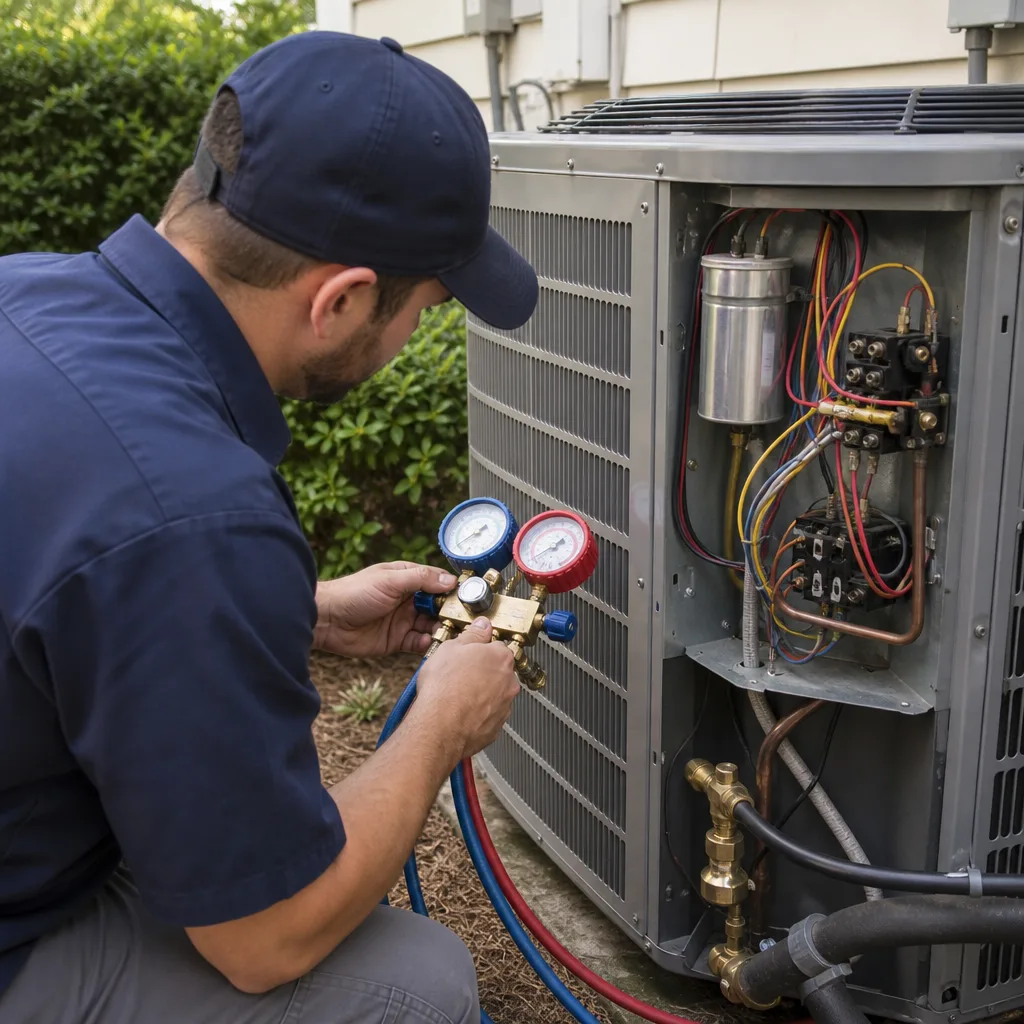
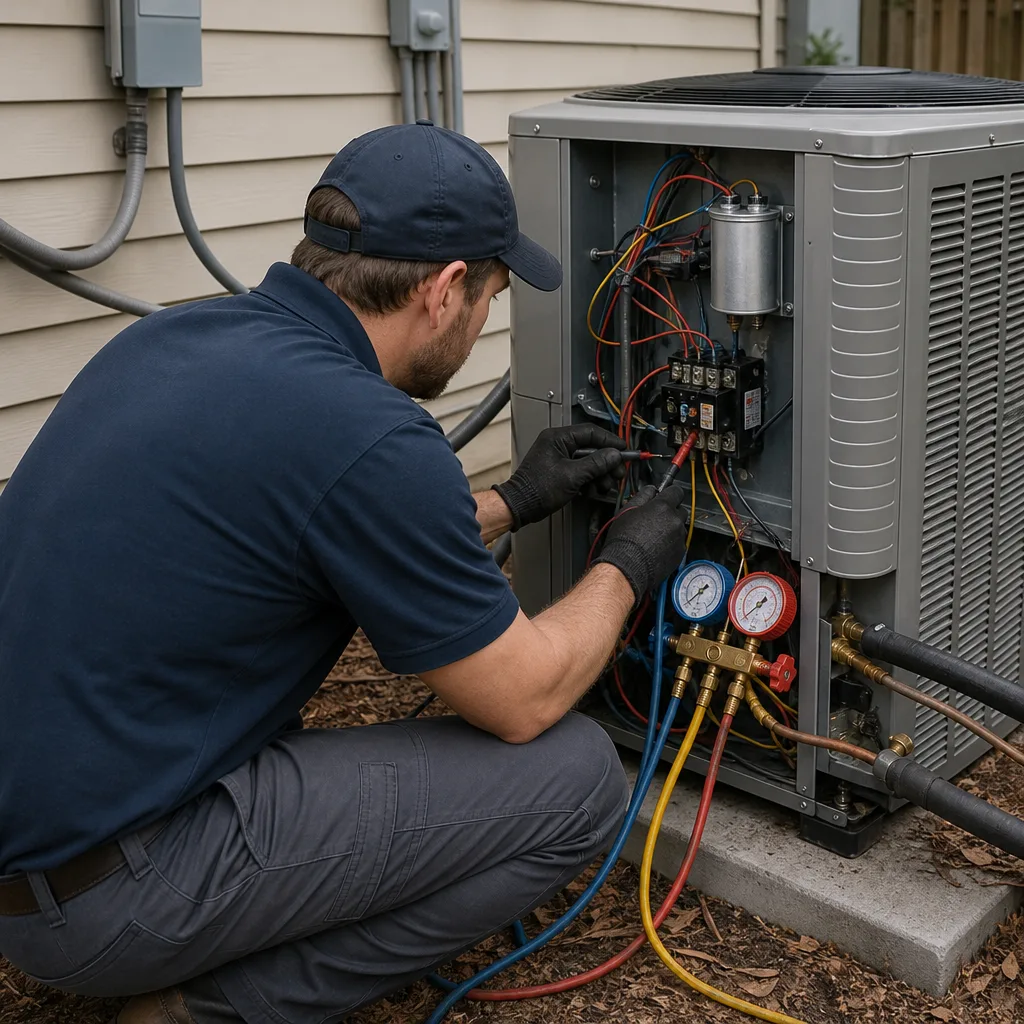
Most HVAC companies invoice you for maintenance or repair work without ever showing you what they did. You get a bill that says “coil cleaned” or “drain flushed,” but the words are just words. We believe every Atlanta homeowner should demand visual proof, because the photo forces the work to be real.
Here is what a legitimate before-and-after photo from a technician should show, in order of importance:
- The specific component in the “before” state. The photo should show the dirty coil, the clogged drain line, the corroded capacitor, or the disconnected duct. Not a wide shot of the unit from ten feet away. A close-up that shows the actual grime, corrosion, or damage.
- The same component from the same angle in the “after” state. The after photo should make the change obvious: the coil fins are now visible between the tubes, the drain line interior is clear, the capacitor is new with a visible date code, or the duct is reconnected and sealed.
- Context in the frame. The photo should show enough of the surrounding environment (the closet floor, the attic joist, the outdoor unit pad) that you can tell it is your unit and not a stock photo.
- A timestamp or job number. This ties the photo to the specific work order and the specific visit.
Andre Fuller, our owner, implemented before-and-after photo documentation as a standard practice well before it became common, because he saw too many customers paying for work that never happened. The photo does two things: it proves the work was done, and it creates a baseline for the next visit. When a technician arrives in August and the coil is dirty again, the photo from April shows exactly how much accumulation happened in four months.
This is part of the Relay Visibility Guarantee under which Halden Heating and Air Atlanta operates every job, and it is one of the reasons we put the written price in your hands before the first tool comes off the truck. If a company refuses to show you before-and-after photos, ask yourself what about the work they do not want you to see.
Why Calendar-Based Checklists Fail in Atlanta
Most AC maintenance checklists are built like a generic national template: inspect the system in spring, change the filter in summer, cover the unit in fall. For DIY vs Professional HVAC: The Atlanta Homeowner’s Decision Guide, the split matters more here than in most climates. That structure fails for Atlanta homeowners because it assumes a cooling season that matches the calendar, and Atlanta’s cooling season does not.
Here is the reality of the load profile in Atlanta. The system that keeps a house at 74 degrees in Atlanta runs harder, for more hours, under more humidity, and with more biological debris pressure than a comparable system in most of the United States. A checklist that says “twice a year” for a maintenance task is using a national average that does not apply here. The pollen load in March and April, the humidity-driven algae growth in the drain line from May through September, and the heat that forces the compressor to cycle continuously in July and August, those are Atlanta-specific stress factors.
This is why we organized this guide by consequence severity, not by month. The tasks that prevent breakdowns are tier one. The tasks that prevent efficiency loss are tier two. You do the tier-one tasks on the schedule their failure modes demand, which in Atlanta means a heavier cadence from April through September and a lighter one from October through March.
A calendar-based checklist also creates a false sense of completion. You check off “tune-up in April” and feel covered, even if April was a mild month that never actually stressed the system. A load-weighted checklist asks a different question: has the system been doing the specific kind of work that produces this specific failure? In Atlanta, that question almost always points back to the same five components we named at the top of this guide.
The other reason calendar checklists fail is more subtle. They do not teach you to watch the system. You do the listed task and stop looking. A load-weighted checklist teaches you to read the signals your system is already sending: the bill trend, the sound of the blower, the temperature split at the vents, the humidity level in the house. Once you know what those signals mean, you do not need a calendar to tell you when something is drifting.
Common Mistakes to Avoid
- Skipping the fall filter check because “cooling season is over.” Your system may not be cooling, but it is still moving air for heating, and a dirty filter from summer pollen will drive up heating costs and strain the blower. Change it when you switch modes.
- Using a pressure washer on the outdoor coil. The high-pressure stream bends the thin aluminum fins flat against the coil, permanently reducing airflow. Use a garden hose with a spray nozzle at a downward angle.
- Closing registers in unused rooms to “save money.” In a properly designed system, closing registers raises static pressure, which makes the blower work harder and can cause the evaporator coil to freeze in Atlanta’s humid conditions. It saves nothing and risks a service call.
- Pouring bleach or drain cleaner into the condensate line. The harsh chemicals eat the PVC over time and can corrode the evaporator coil. White vinegar or a purpose-made condensate line cleaner is the correct solution.
- Waiting until the first week of June to schedule a capacitor test. By then, the capacitor has already failed on the hottest afternoon, and you are in the queue behind every other Atlanta homeowner with the same problem. Schedule the electrical test in April, before the heat hits.
- Ignoring a system that “sounds different.” A hissing sound at the indoor unit often means a refrigerant leak. A buzzing sound at the outdoor unit often means a failing contactor. Both are cheaper to fix the week you hear them than the month they fail completely.
- Treating the utility bill as a fixed cost. The kWh-per-degree-day metric described above is an early warning system. Not tracking it is like not checking the oil in your car because “the engine still runs.”
When to Call a Professional
Some tasks on this list are squarely in the professional category, and the line is drawn by safety and by code. Anything involving the capacitor, the contactor, the compressor, or the refrigerant requires a licensed technician. These components carry high voltage or controlled refrigerant, and a wrong move can cause serious injury, equipment damage, or a refrigerant leak that violates environmental regulations. If your system is blowing warm air, if you hear a humming sound from the outdoor unit that does not turn into the compressor running, or if you see ice on the copper line, call a professional rather than opening the panel.
Halden Heating and Air Atlanta offers free estimates in Atlanta. Call (912) 616-5481 and a real person answers, not a voicemail tree.
Frequently Asked Questions
Every 30 to 45 days during the cooling season, which in Atlanta runs roughly from April through September. Homes with pets, homes in pollen-heavy neighborhoods, and homes where the AC runs continuously in July and August should check at 30 days. A filter loaded with pollen and dust restricts airflow, which freezes the evaporator coil and leads directly to a service call.
A basic maintenance visit in Atlanta typically runs between $89 and $200 depending on what is included, and more involved work like coil cleaning or drain line flushing may be priced separately. Most AC repairs run between $150 and $500 depending on the part, with components like a capacitor on the low end and a blower motor on the higher end. Call (912) 616-5481 for a written price before any work starts.
A good rule of thumb for Atlanta homeowners is to multiply the repair cost by the system’s age in years; if that product exceeds the cost of a new system, replacement is the better financial decision. In practice, a system over 12 years old that needs a compressor or evaporator coil replacement is usually a candidate for full replacement. For a detailed breakdown of the numbers, see our AC Installation in Atlanta guide.
Yes, for the outdoor condenser coil. Rinse it gently with a garden hose after the late-March pollen peak in Atlanta, using a downward angle and avoiding a pressure washer. The indoor evaporator coil is a different story, it sits inside the air handler and requires removing panels and applying specific coil cleaner, so that one is better left to a technician on a scheduled visit.
The float switch is an $8 to $15 safety device that sits in the condensate drip pan and shuts the system off if the drain line backs up and water rises. In Atlanta, where drain lines clog from algae and mold more quickly than in drier climates, the float switch is the difference between a minor service call and a water-damaged ceiling.
Track your kWh per cooling degree day using the formula in this guide, and compare it month over month and year over year. A properly maintained Atlanta home runs between 1.5 and 2.5 kWh per cooling degree day. If your number climbs by more than 15 percent without a change in thermostat behavior, something in the system needs attention, and a diagnostic visit is the fastest way to find the cause.
The Bottom Line
The most important sentence in this guide is the first one: Atlanta AC breakdowns are scheduled, just not by you. The failure sequence is predictable; the task that prevents it is known; and the only variable is whether you do the task before or after the breakdown. Tier one tasks prevent 80 percent of emergency calls. Tier two tasks keep your bill from creeping up 15 percent in a season. The drain line, the pollen-coated coil, the aging capacitor, these are not mysteries. They are checkboxes. And the ones that require a pro are not the ones to fear, because a written diagnosis and a written price are standard at any company worth calling. For more guides & resources, or if you want the full checklist done in one visit with before-and-after photos and a written guarantee on every repair, call Halden Heating and Air Atlanta at (912) 616-5481. A real person answers, and the estimate is free.
Written by Andre Fuller, Owner at Halden Heating and Air Atlanta, serving Atlanta since 2004.
See the difference
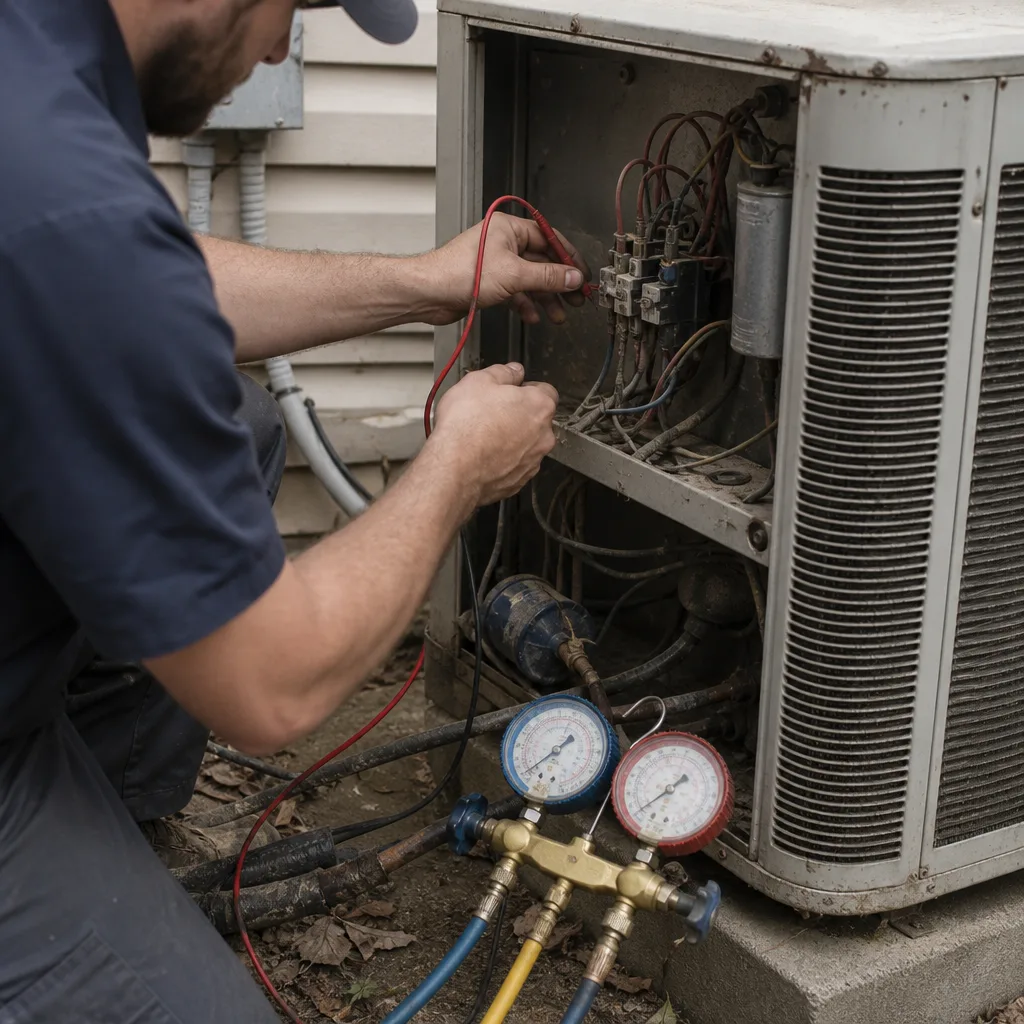 Before
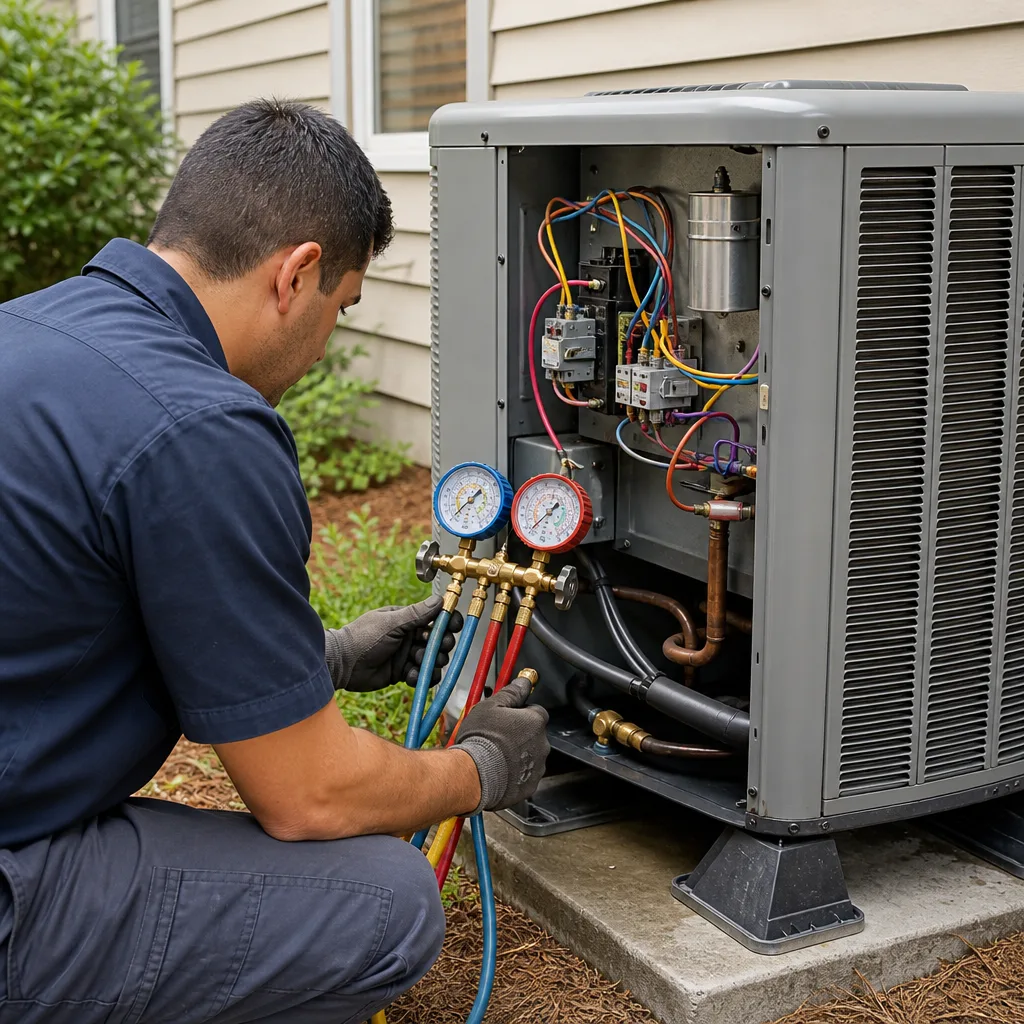 After
After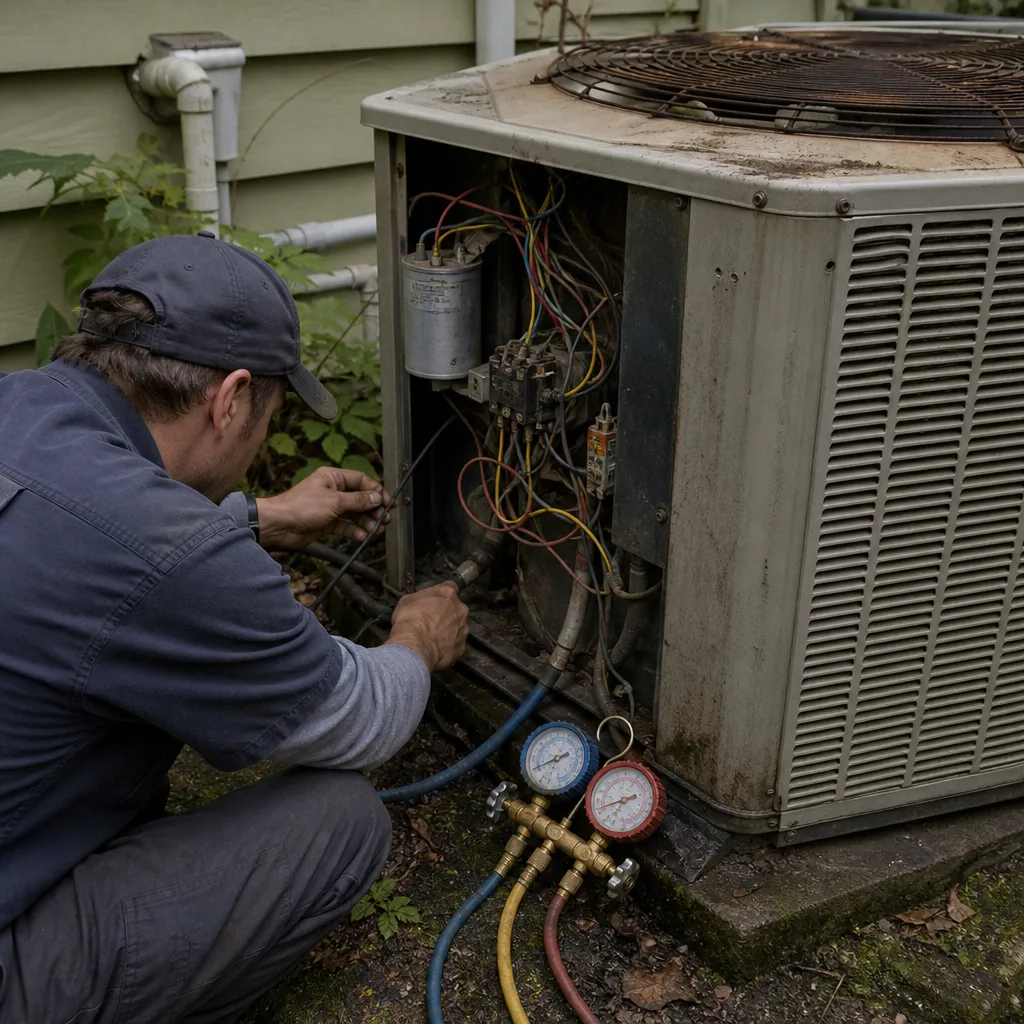 Before
 After
After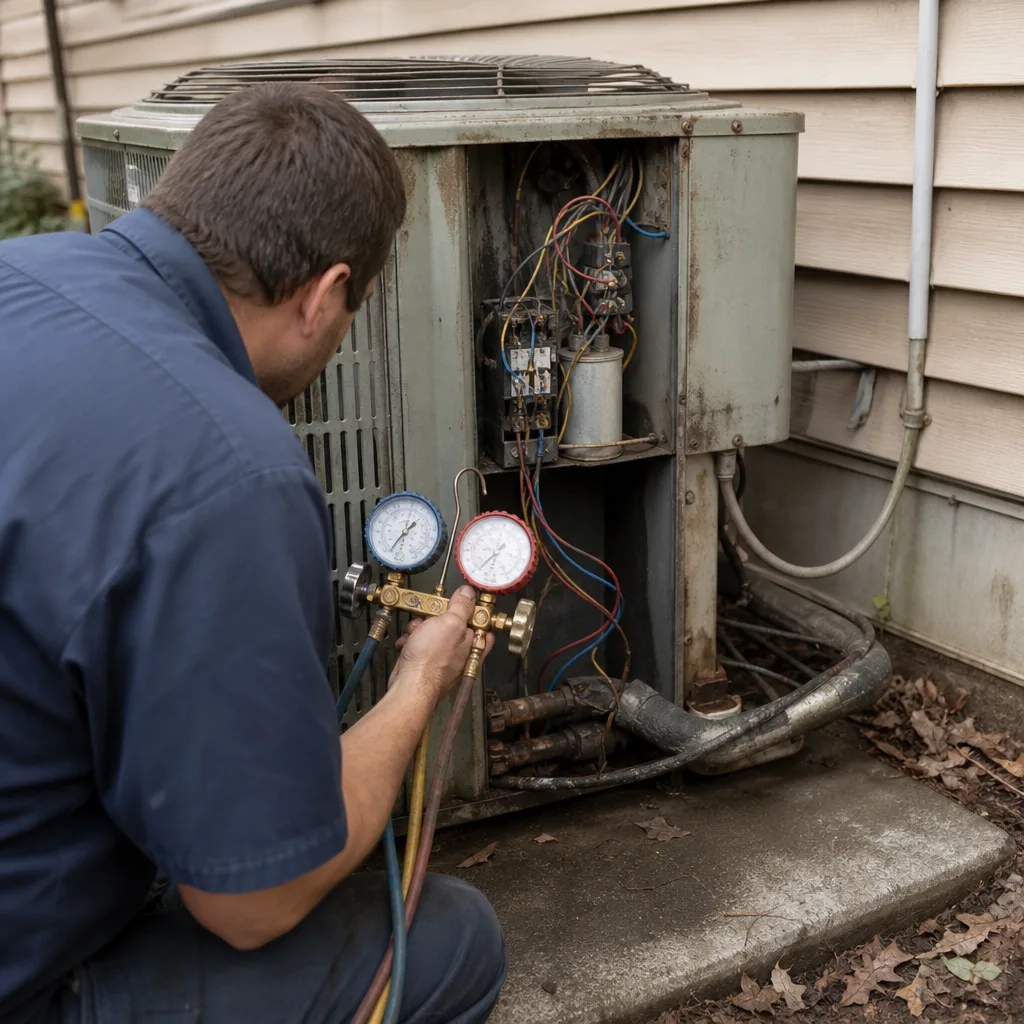 Before
 After
After