

Last updated October 16, 2026
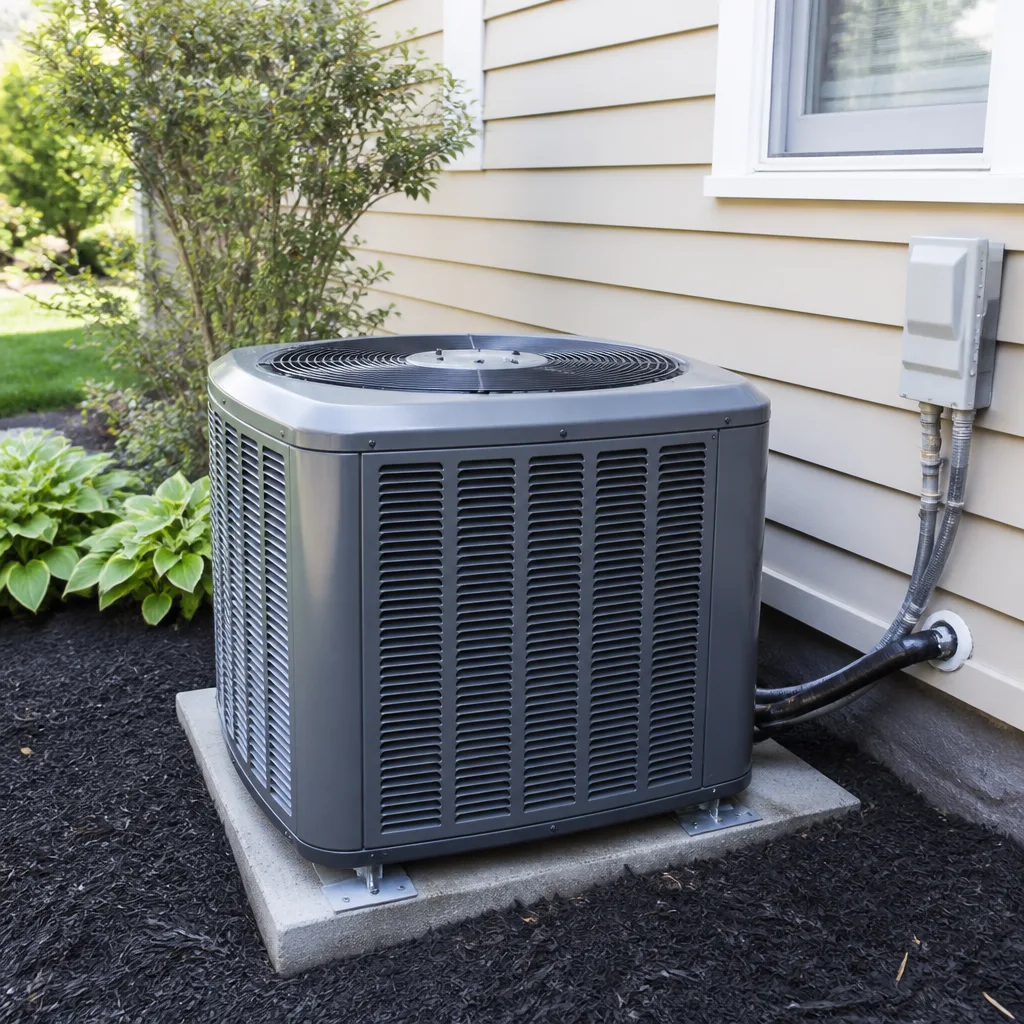 AC repair
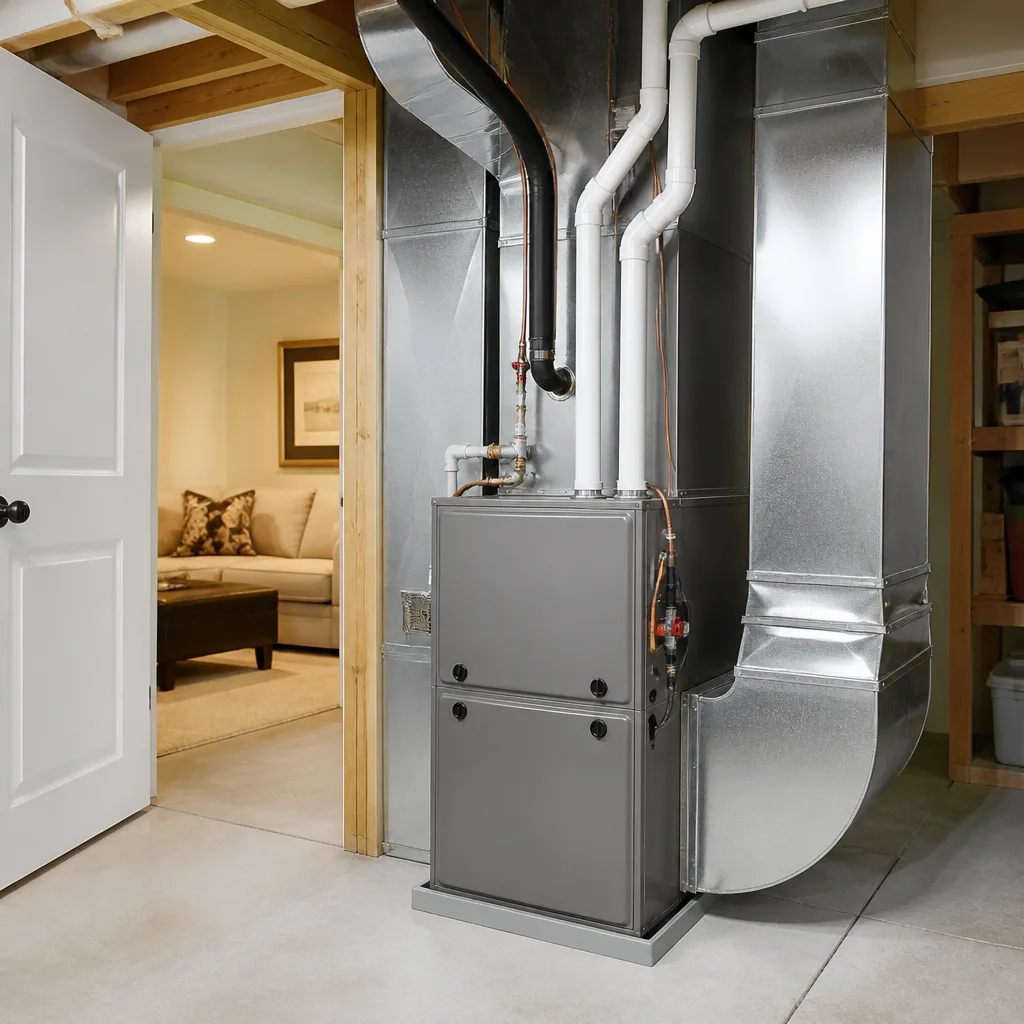 Furnace & heating
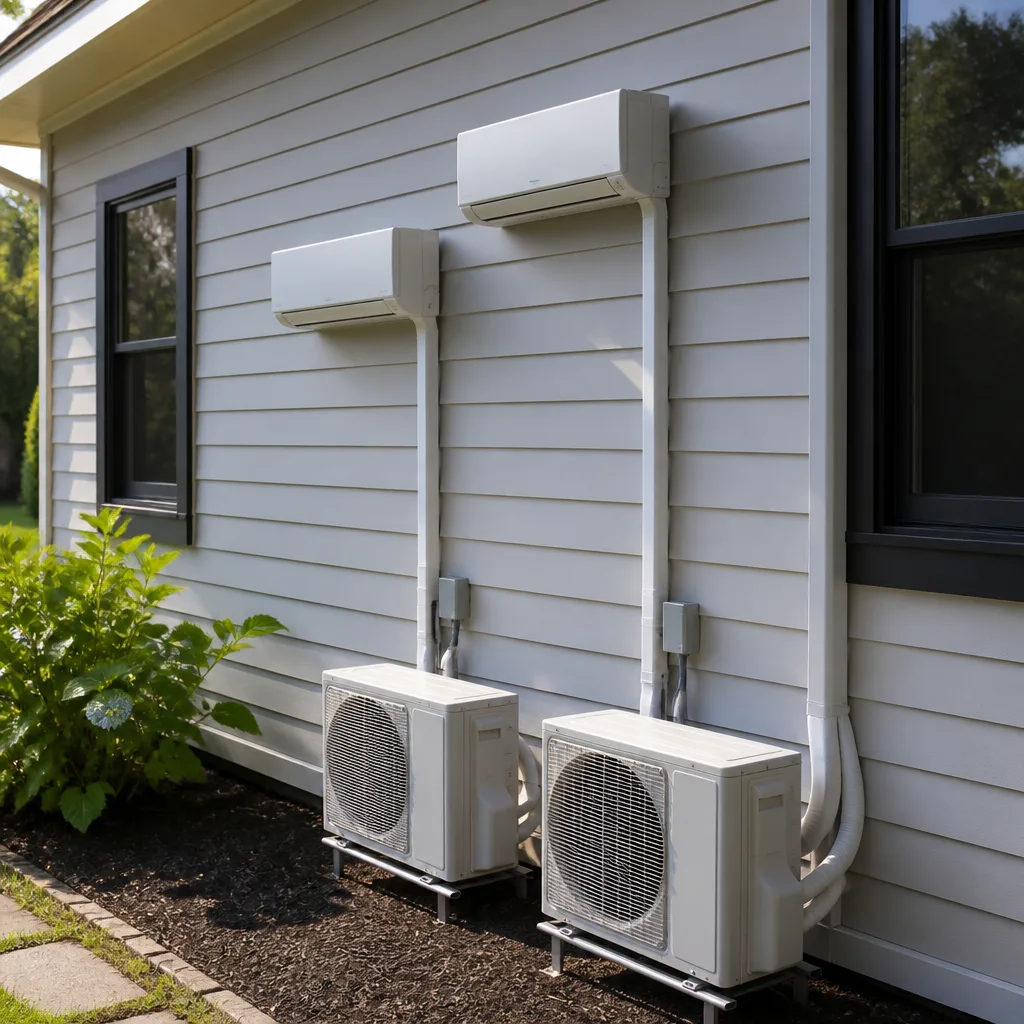 Ductless mini splits
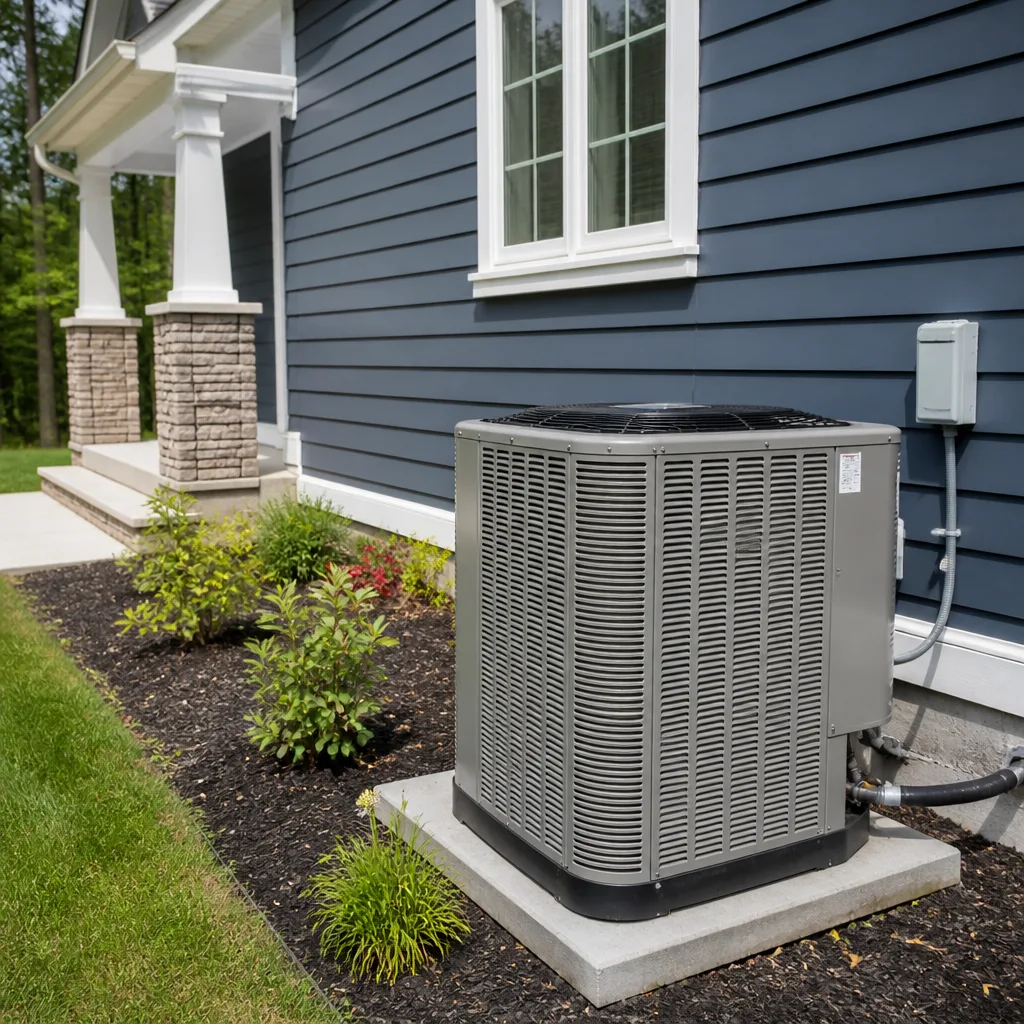 Carrier
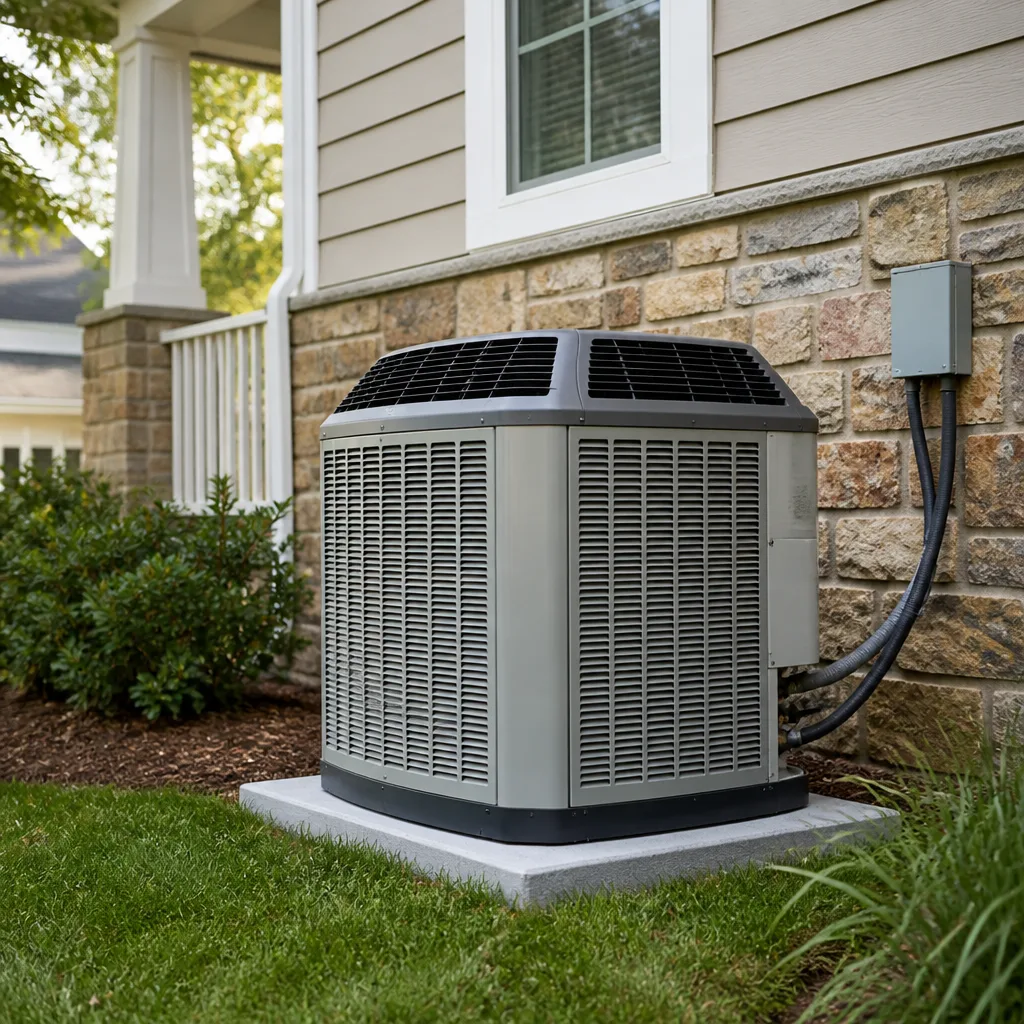 Trane
Trane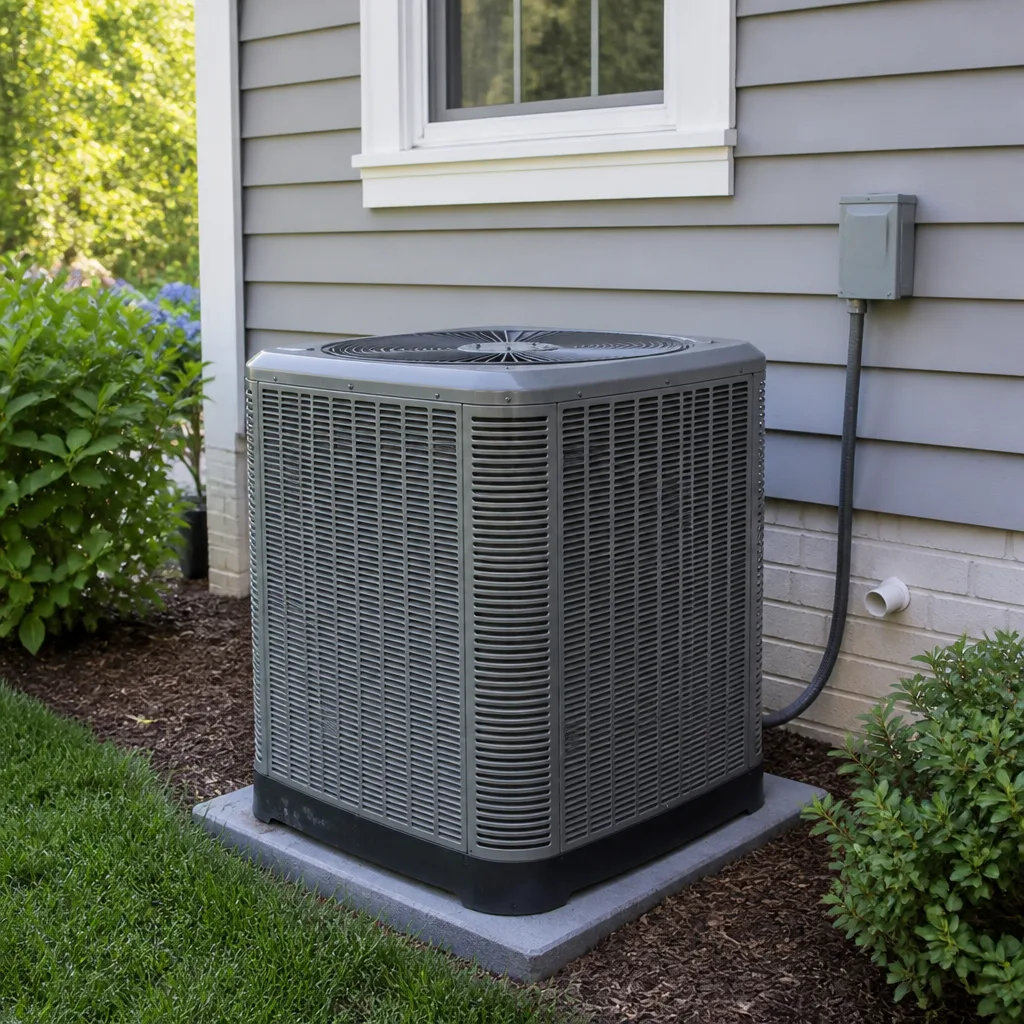 Goodman
Seasonal tune-up and full diagnostic on your Carrier, Trane, or Goodman system - readings shown to you before any repair is proposed
Diagnosis first, numbers second - you approve the repair price before a single part goes in.
Get your free estimateHVAC Cost Breakdown: The Atlanta Homeowner’s Reference for 2026
The $3,500 central AC replacement you saw quoted on a 2022 blog is now a $5,200 job in Atlanta. That’s not contractor greed. It’s three forces hitting at once: post-tariff equipment cost increases, a refrigerant transition that has made R-410A systems more expensive to produce while R-454B and R-32 units carry a new-equipment premium, and a labor shortage that has pushed tune-up pricing 22% above where it sat in 2022. If you’re quoting from memory or from an old Google search, you’re going to feel sticker shock you weren’t prepared for. This guide breaks down what HVAC work actually costs in Atlanta in 2026, line item by line item, so you can verify a quote instead of hoping you’re not being overcharged.
Styles & brands we work with
Quick Answer
Most HVAC work in Atlanta in 2026 falls into predictable ranges: AC repair runs $150 to $500 for common component failures, full AC replacement runs $5,200 to $9,800 depending on system size and efficiency tier, furnace replacement runs $3,800 to $7,200, and a seasonal tune-up costs $89 to $199. The two biggest variables in any quote are equipment tier (single-stage vs. variable-speed) and refrigerant type, with R-454B systems carrying a 10-15% premium over the R-410A units still in inventory. A written price before work starts is the single best protection against invoice inflation.
Table of Contents
- The 10 Most Common HVAC Jobs in Atlanta: Current Price Ranges
- The Refrigerant Transition: Why New Systems Cost More in 2026
- How to Read a Quote Line by Line
- The Financing Math Atlanta Homeowners Don’t Run
- What a Written Price Actually Protects You From
- Emergency Repair Costs: What Same-Day Service Adds in Atlanta
- Common Mistakes to Avoid
- When to Call a Professional
- Frequently Asked Questions
- The Bottom Line
The 10 Most Common HVAC Jobs in Atlanta: Current Price Ranges
Atlanta’s climate punishes HVAC equipment. Long cooling seasons, high humidity, and pollen that clogs condenser coils mean systems here run harder and fail more often than in drier or cooler markets. Below are the current metro Atlanta contractor price bands for the jobs we see most often. These are not national averages. They reflect what licensed Atlanta-area companies charged across 2025 and into early 2026.
1. AC Diagnostic Visit
- Low: $59-$89 (often applied toward repair if you proceed)
- Mid: $99-$129 (standard for a thorough diagnosis with written findings)
- High: $149-$189 (after-hours or weekend diagnostic, or a company that charges premium rates)
What moves a diagnostic from low to high: time of day, whether the company uses flat-rate or time-and-materials pricing, and whether the diagnostic fee is waived with a repair. At Halden Heating and Air Atlanta home, the diagnostic fee is rolled into the written repair price when you approve the work, so you’re not paying twice.
2. AC Repair (Component Replacement)
- Low: $150-$250 (capacitor, contactor, or small relay replacement)
- Mid: $250-$500 (condenser fan motor, evaporator coil leak seal, or control board replacement)
- High: $500-$1,200 (compressor start components, reversing valve, or blower motor replacement)
A capacitor replacement in a Midtown condo and a capacitor replacement in a Buckhead single-family home should cost roughly the same. The part is $15-$60 wholesale. What you’re paying for is the diagnosis, the labor, the warranty on the repair, and the truck that got to your door. A capacitor job that was $180 in 2022 is now $220-$280 in Atlanta, driven mostly by technician labor rates that have climbed about 18% since 2022.
3. Full AC Replacement (R-454B System)
- Low: $5,200-$6,500 (2-ton to 2.5-ton single-stage, 14.3 SEER2 entry equipment from Goodman or Rheem)
- Mid: $6,800-$8,400 (3-ton to 3.5-ton single-stage or two-stage, 15-16 SEER2, Carrier or Trane)
- High: $8,800-$12,500+ (4-ton to 5-ton variable-speed, 17-20 SEER2, Lennox or top-tier Carrier)
Atlanta’s ductwork condition matters here. A house in Decatur built in the 1960s may need a plenum modification or duct sealing that a 2015 build in Alpharetta won’t. That’s a $300-$1,200 line item difference that doesn’t show up in generic pricing guides. Full replacement includes the outdoor condenser, indoor evaporator coil, line set where needed, thermostat where included, and a permit.
4. AC Replacement with Furnace (Full System)
- Low: $7,800-$9,500 (entry single-stage AC plus 80% efficiency gas furnace)
- Mid: $9,800-$12,500 (two-stage AC plus 96% efficiency furnace, common in Atlanta homes)
- High: $13,000-$18,000 (variable-speed everything, high-efficiency heat pump hybrid)
Replacing both at once saves $800-$1,500 in combined labor versus doing them separately, because the technician is already on site, the permit covers both, and the electrical and gas connections happen once. This is the most cost-efficient path if your furnace is over 15 years old.
5. Furnace Replacement
- Low: $3,800-$4,800 (80% AFUE, 60,000-80,000 BTU, Goodman or Rheem)
- Mid: $5,000-$6,500 (96% AFUE two-stage, 80,000-100,000 BTU, Trane or Carrier)
- High: $6,800-$9,000 (98% AFUE modulating, 100,000+ BTU, Lennox)
Atlanta’s mild winters mean the high-efficiency premium pays back slower here than it does in Minneapolis. An 80% furnace does the job reliably for a fraction of the upfront cost, which is why many Atlanta homeowners choose entry or mid-tier. The mid-tier is the sweet spot: better efficiency, quieter operation, and a stronger warranty without the modulating-tech price jump. See our Furnace Repair in Atlanta page for repair-specific numbers.
6. Ductless Mini-Split Installation (Single Zone)
- Low: $3,200-$4,200 (single head, 9,000-12,000 BTU, wall-mounted indoor unit)
- Mid: $4,500-$6,000 (single head, 18,000 BTU, higher-efficiency inverter unit)
- High: $6,500-$10,000+ (multi-zone, 2-4 heads, whole-home application)
Mini-splits are gaining traction in Atlanta’s older neighborhoods like Grant Park and Inman Park, where ductwork is often undersized or nonexistent. For a sunroom, a garage conversion, or a top floor that never cools, a single-zone mini-split is frequently cheaper than extending ducts.
7. Heat Pump Installation (Replacing AC Only)
- Low: $5,800-$7,200 (entry-tier, single-stage, 14.3 SEER2)
- Mid: $7,500-$9,500 (mid-tier, 15-16 SEER2, two-stage)
- High: $9,800-$14,000 (variable-speed, cold-climate-rated, 17-19 SEER2)
Heat pumps make sense in Atlanta because our winters rarely drop below 25 degrees for sustained periods. A heat pump replaces your AC and handles about 90% of your heating load, which means you only run the furnace on the coldest nights. The upfront premium over AC-only is $600-$1,500.
8. Seasonal Tune-Up (AC or Furnace)
- Low: $79-$99 (basic inspection, filter check, condenser rinse)
- Mid: $119-$159 (full inspection, coil cleaning, capacitor test, refrigerant pressure check)
- High: $179-$249 (same as mid, plus duct inspection, UV light check, or two-system homes)
Here’s the 22% point from the thesis: in 2022, a solid mid-tier tune-up in Atlanta ran $89-$119. In 2026, that same job is $119-$159. The cause is labor. Good technicians are scarce, and companies that pay their people well pass that cost through. A $79 tune-up in 2026 is usually a loss leader designed to get a technician in the door, and it comes with a short inspection you should view skeptically.
9. Duct Sealing or Replacement
- Low: $400-$800 (spot sealing of accessible duct runs or a single trunk line repair)
- Mid: $1,200-$2,500 (Aeroseal or comparable whole-home duct sealing)
- High: $4,000-$8,000 (full duct replacement in a crawl-space or attic)
Atlanta’s heat and humidity can cause older flex duct to degrade, sag, and separate at joints. In houses with crawl spaces in East Atlanta or Kirkwood, we regularly see duct leakage of 20-30%, which means you’re paying to cool and heat air that never reaches a room. Sealing is usually a better first step than replacing.
10. Thermostat Installation or Upgrade
- Low: $120-$200 (basic digital thermostat, no new wiring)
- Mid: $200-$350 (Wi-Fi smart thermostat with existing C-wire)
- High: $350-$600 (smart thermostat requiring a new wire run or adapter, multi-zone systems)
If your house in Virginia-Highland has original two-wire thermostat wiring, a smart thermostat upgrade will cost more because a technician has to run a common wire or install an adapter. In newer construction, this is usually a 30-minute job.
The Refrigerant Transition: Why New Systems Cost More in 2026
The single most confusing HVAC cost factor in 2026 is refrigerant. Here’s the plain-English version: the refrigerant (the coolant that makes cold air possible) inside your system is changing, and that change has real dollar consequences at the point of sale.
R-22, the refrigerant in systems installed before roughly 2010, is effectively gone from the market. If your system uses R-22, a refrigerant recharge (topping off the coolant your system needs to produce cold air) is now prohibitively expensive, often $150-$250 per pound, when any can be found at all. The practical answer for R-22 systems in 2026 is replacement, not repair.
R-410A, the standard refrigerant from roughly 2010 through 2024, is now in a phasedown. Production is being cut on a schedule set by the EPA. That means wholesale prices are climbing. If your R-410A system develops a leak in 2026, a recharge that cost $80-$120 per pound in 2022 now runs $120-$180 per pound in Atlanta. And if the leak is in the evaporator coil, the repair plus recharge can approach $1,500-$2,500, which makes replacement the smarter financial move.
R-454B and R-32 are the new refrigerants in equipment manufactured from 2025 onward. They’re more energy-efficient and have a much lower global warming potential, but the equipment carries a premium. Expect to pay 10-15% more for an R-454B system than you would have paid for an equivalent R-410A system two years ago. That premium is the cost of new compressor designs, leak-detection sensors the EPA now requires, and reduced manufacturing scale as production lines convert.
What this means for an Atlanta homeowner in 2026: if you’re replacing an R-22 system, you’ll pay roughly $5,200+ for a new entry-level system and you’ll actually see a meaningful drop in your summer electric bill, because the efficiency jump from a 20-year-old unit to a new 14.3 SEER2 unit is substantial. If you’re replacing an R-410A system that’s only 10-12 years old, the payback is mostly about avoiding the cycle of expensive refrigerant recharges.
How to Read a Quote Line by Line
A proper HVAC quote in Atlanta should not be a single number on a text message. It should be a document with line items. Here’s what each line means, which are fixed, and which you can push on.
Equipment Cost
This is the condenser unit, evaporator coil, and sometimes the furnace or air handler. It includes the manufacturer’s warranty. Equipment cost is negotiable only by choosing a different tier. A Carrier dealer pays Carrier a set wholesale price. An honest quote shows the equipment at a standard dealer markup. If a quote shows no equipment breakdown and just a single “system replacement” figure, ask for the line items.
Labor
Installation labor for a full AC replacement in Atlanta runs $1,200-$2,800 depending on system complexity, accessibility, and whether duct modifications are needed. Labor is where a low-ball quote hides corners: a company quoting $3,900 for a full replacement is either using unlicensed labor, skipping the permit, or planning to upsell you during the job. Trained, background-checked technicians cost money, and that’s a cost worth paying.
Permit Fee
A mechanical permit in the City of Atlanta runs $100-$300 depending on the scope of work. Fulton, DeKalb, Cobb, and Gwinnett counties each have their own fee schedules. A licensed company pulls the permit and includes it on the quote. A company that says “we don’t need a permit for this” is wrong, and you should not hire them. For details, read HVAC Permits, Codes & Inspections in GA: What You Need to Know.
Refrigerant Charge
New systems ship with refrigerant in the condenser for a standard line set length (typically 15-25 feet). If your line set is longer, or if the old system’s refrigerant has to be recovered and disposed of, there’s an additional charge. Recovery and disposal of R-410A or R-22 runs $100-$250 depending on how much is in the system.
Disposal
Removing and properly disposing of your old condenser and coil costs $50-$150. This is a fixed cost. It’s also a place where unlicensed operators skip the fee and then dump the old unit, which is illegal and bad for everyone.
Warranty
Manufacturer warranties on new equipment run 5-10 years on parts, sometimes 12 years on compressors when you register the unit. A labor warranty from the installing company typically runs 1-2 years. Read what’s covered. A quote that says “10-year warranty” without specifying “parts only” is a misleading quote.
At Halden Heating and Air, every repair and installation gets a written price before any work starts. That price is the price. It includes the permit, the disposal, the refrigerant recovery, and the labor. There’s no conversation at the door about “well, this part of the job turned out to be more involved.” The written price protects you from that conversation entirely.
The Financing Math Atlanta Homeowners Don’t Run
HVAC financing offers are everywhere in Atlanta: “0% for 12 months” on a $6,000 replacement. It sounds like free money. It is not free money, and here’s the math most homeowners never run.
Here’s how a typical 60-month HVAC loan with a 0%-for-12-months promotional period works on a $6,000 job:
- Year one: you make minimum payments (often 1-1.5% of the balance, so $60-$90/month). No interest accrues during this period, but you’re paying down the principal very slowly.
- Month 13: if the balance is not paid in full, the credit card or finance company applies deferred interest retroactively. On a typical HVAC financing product, the deferred interest rate is 26.99% APR, applied to the full original amount, not just the remaining balance.
- Months 13-60: you now owe $6,000 plus roughly $1,619 in retroactive interest (26.99% on $6,000), and you’re paying 26.99% APR on the remainder for the next four years.
The total cost of that $6,000 setup, if you don’t pay it off in 12 months, is $8,200-$8,900. That’s a $2,200-$2,900 premium for financing, which is more than most homeowners realize when they sign.
The alternative is paying at service, which means a cash outflow of $6,000 on one day, or using a home equity line of credit at 7-9% APR where the interest is transparent and the payment schedule is predictable. A $6,000 HELOC at 8% paid over 60 months costs about $7,292 total, or $1,292 in interest. That’s $1,000-$1,600 less than the deferred-interest trap on the same job.
None of this means financing is wrong. If your AC dies in July and you have $2,000 in savings, financing a replacement is a reasonable decision. But you should know these numbers going in, and you should ask the finance company, not the HVAC contractor, exactly what happens at month 13 if the balance isn’t paid. The HVAC company sells the equipment. The financing company sets the terms.
What a Written Price Actually Protects You From
The phrase “written price before any work starts” sounds like a nice-to-have. In practice, it protects you from two specific invoice inflation tactics that are common enough in Atlanta that every homeowner should recognize them.
Diagnostic Fee Absorption
The tactic: a company quotes a $79 diagnostic, then the technician finds a failed capacitor (a $15 part) and quotes $450 to replace it. You already paid $79 to get the technician to the door, and now you’re being charged a repair price that has the diagnostic fee baked in a second time. You pay $529 for a repair that should cost $350-$400 in a competitive Atlanta market. A written price that includes the diagnostic with the repair approval eliminates this double charge.
Parts Markup Tiers
The tactic: a company uses a “tiered” parts pricing book where a capacitor that costs $20 wholesale is marked up 500% to $120, plus a separate labor charge, plus a “truck charge.” The result is a $500 bill for a $15 part and a 20-minute repair. A written price quote with line items reveals this markup. If a company won’t break down the price before you approve it, you should assume they have something to hide.
Halden Heating and Air is built on a different model. You book online or call, get a live arrival time, and track your technician to the door. When the technician arrives, they diagnose the problem, and then you get a written price for the repair before any work begins. That price is locked. It doesn’t change when the technician discovers the job is “more complicated than expected.” The Relay Visibility Guarantee means you see who is coming, when they’ll arrive, and what it costs before it happens. The written guarantee means if the repair fails within the coverage period, a second visit is free, automatically.
Emergency Repair Costs: What Same-Day Service Adds in Atlanta
When your AC quits in July in Atlanta, the heat isn’t just uncomfortable. It’s a health risk, especially for older adults, children, and people with respiratory conditions. Atlanta’s summer heat index routinely pushes past 100 degrees, and indoor temperatures in a failed system can climb into the low 90s within hours. Same-day service exists for a reason, and it costs more.
Here’s what emergency service actually adds in metro Atlanta:
- After-hours dispatch (7pm-7am): $50-$150 premium over standard rates
- Weekend and holiday dispatch: $75-$200 premium
- Same-day priority (during business hours): $25-$75 premium, though many companies including ours treat this as standard
The premium covers two real costs: the technician’s overtime pay and the logistics of routing a truck to your door outside the normal schedule. A $225 capacitor repair at 2pm on a Tuesday becomes a $325-$375 capacitor repair at 11pm on a Saturday. That’s the market rate in Atlanta, and you should expect it.
What you shouldn’t accept is an emergency premium on top of a vague, unspecified diagnosis. An emergency diagnostic should still give you a written answer: “the condenser fan motor has failed” and a written price for the repair before work starts. The urgency doesn’t justify skipping the price transparency. If a company tells you the price is “time and materials” and they’ll figure it out when they’re done, call someone else, even in an emergency. You’ll lose 30 minutes and save yourself a $900 surprise.
For AC Repair in Atlanta, 24/7 live phone support is standard at Halden Heating and Air. Every call is answered by a real person. No voicemail tree, no “we’ll call you back in the morning.” If your AC dies at midnight, you’ll talk to a human who can dispatch a technician that night.
Common Mistakes to Avoid
- Quoting from a 2021 or 2022 blog post. The numbers in this guide are the 2026 reality. The same job that cost $4,200 in 2021 runs $5,200+ now because of equipment cost increases and the refrigerant transition. If a contract you’re reviewing uses old numbers, re-verify.
- Choosing a replacement system based on price per ton alone. A 3-ton single-stage Goodman and a 3-ton variable-speed Trane will both cool your house. The difference is comfort consistency, humidity control, noise level, and long-term reliability. In Atlanta’s humidity, a variable-speed unit that runs longer at lower output dehumidifies far better than a single-stage unit that cycles on and off.
- Skipping the permit. Unpermitted HVAC work is discoverable during a home sale, and it can become a repair liability. Any licensed contractor includes the permit in the quote. If a contractor says a permit isn’t needed for a full replacement, in Atlanta, they’re wrong.
- Ignoring the deferred-interest trap. The 0%-for-12-months offer is a trap if you don’t pay it off in time. Run the math before you sign, or ask for a fixed-rate loan instead.
- Delaying a repair on an R-22 system. Every month you keep an R-22 system running is a month you might face a $200-per-pound recharge quote or a complete system failure at the worst possible time. The replacement conversation is coming either way. Having it on your schedule is cheaper.
- Not asking what the warranty covers. “10-year warranty” means different things from different companies. Ask: parts only or parts and labor? Transferable? What voids it? A written answer protects you.
- Hiring the first company that answers the phone without checking what they guarantee. In a July emergency, every company in Atlanta is busy. The one that can send a technician fastest is not necessarily the one you want doing the work. Ask about written pricing and repair guarantees before you say yes.
When to Call a Professional
You should call an HVAC professional when: your system is short-cycling (turning on and off more than 2-3 times per hour), you hear grinding, squealing, or rattling from the outdoor unit, your energy bill jumps 20%+ without a weather explanation, your system is blowing warm air in cooling mode, or you see ice forming on the refrigerant lines. These symptoms indicate a failing component that will not fix itself and usually gets more expensive the longer you wait. See HVAC Warning Signs: A Atlanta Homeowner’s Reference Guide for the full checklist. For any issue involving refrigerant, electrical components, or gas furnace burners, the work should be done by a licensed technician, period. Refrigerant is under pressure and requires EPA certification to handle. Gas furnace work that involves the burner assembly or gas valve should only be done by someone who knows what they’re doing, because a mistake has serious safety consequences. Halden Heating and Air Atlanta offers free estimates in Atlanta – call (912) 616-5481.
Frequently Asked Questions
A new AC system in Atlanta costs $5,200 to $9,800 in 2026, with entry-level single-stage systems at the low end and variable-speed high-efficiency systems at the high end. The price includes equipment, labor, permit, refrigerant, and disposal. Call (912) 616-5481 for an exact quote – estimates are free.
Replace if your system is over 12-15 years old, uses R-22 refrigerant, has a failed compressor, or needs repairs costing more than 40% of a new system’s price. Repair if the system is under 10 years old, the fix is a component like a capacitor or contactor under $500, and the system has otherwise run reliably. In Atlanta, the average system lasts 12-15 years because of the long cooling season.
Three forces hit at once: post-tariff equipment cost increases, the refrigerant transition from R-410A to R-454B and R-32 that added a 10-15% premium on new equipment, and a technician labor shortage that pushed labor rates up about 18% since 2022. The $3,500 replacement of 2022 is the $5,200 replacement of 2026, and the line items explain why.
Most AC repairs in Atlanta run between $150 and $500 depending on the part. A capacitor or contactor replacement is $150-$250, a condenser fan motor is $250-$450, and a control board replacement is $350-$600. More involved repairs like compressor replacements can exceed $1,500, at which point replacement is usually the better call. Call (912) 616-5481 for a written repair quote.
Yes, Halden Heating and Air offers same-day AC repair across metro Atlanta, and our calls are answered by a live person 24/7. Summer demand is heavy, so calling early in the day helps, but we dispatch based on urgency and availability, not just call order. Every repair includes a written price before work starts and a written guarantee on the repair.
A seasonal HVAC tune-up in Atlanta costs $89 to $199 depending on the depth of the inspection. At Halden, a tune-up includes a full inspection, coil cleaning, capacitor test, and refrigerant pressure check with a written report of what was actually found. Technicians are not paid on what they sell, so the report is the report, not a sales pitch. A tune-up catches failing capacitors and low refrigerant before they become July emergencies.
Fall and early spring are the best times to replace an AC system in Atlanta. Demand is lower, which means more flexible scheduling, and you’re not competing with emergency calls from homeowners whose systems died in July. The equipment prices don’t change seasonally, but the scheduling pressure does. If your system is 15+ years old, replacing it on your schedule in October is far better than replacing it as an emergency in July.
The Bottom Line
Atlanta HVAC pricing in 2026 reflects real structural changes, not contractor opportunism. Equipment costs are up because of tariffs and the refrigerant transition. Labor costs are up because the technician shortage is real. The result is a market where a full AC replacement runs $5,200 to $9,800, a furnace replacement runs $3,800 to $7,200, and a repair runs $150 to $500 for typical component failures. Your two best protections are knowing these numbers before you call and insisting on a written price before any work starts. For AC Installation in Atlanta, Halden Heating and Air has been serving the city since 2004 with the same standard on every job: a written price, a written guarantee, and a live person on the phone when you call. Call (912) 616-5481 for a free estimate.
Written by Andre Fuller, Owner at Halden Heating and Air Atlanta, serving Atlanta since 2004.
See the difference
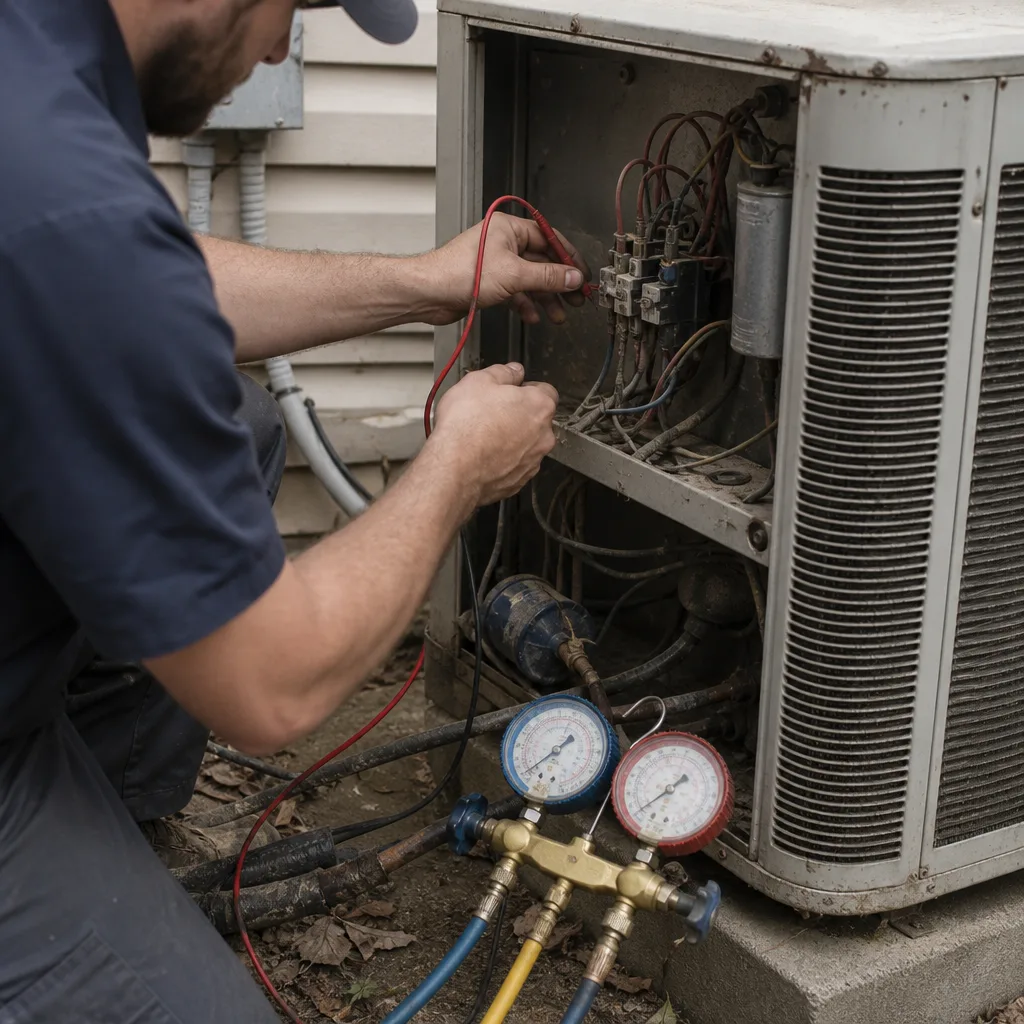 Before
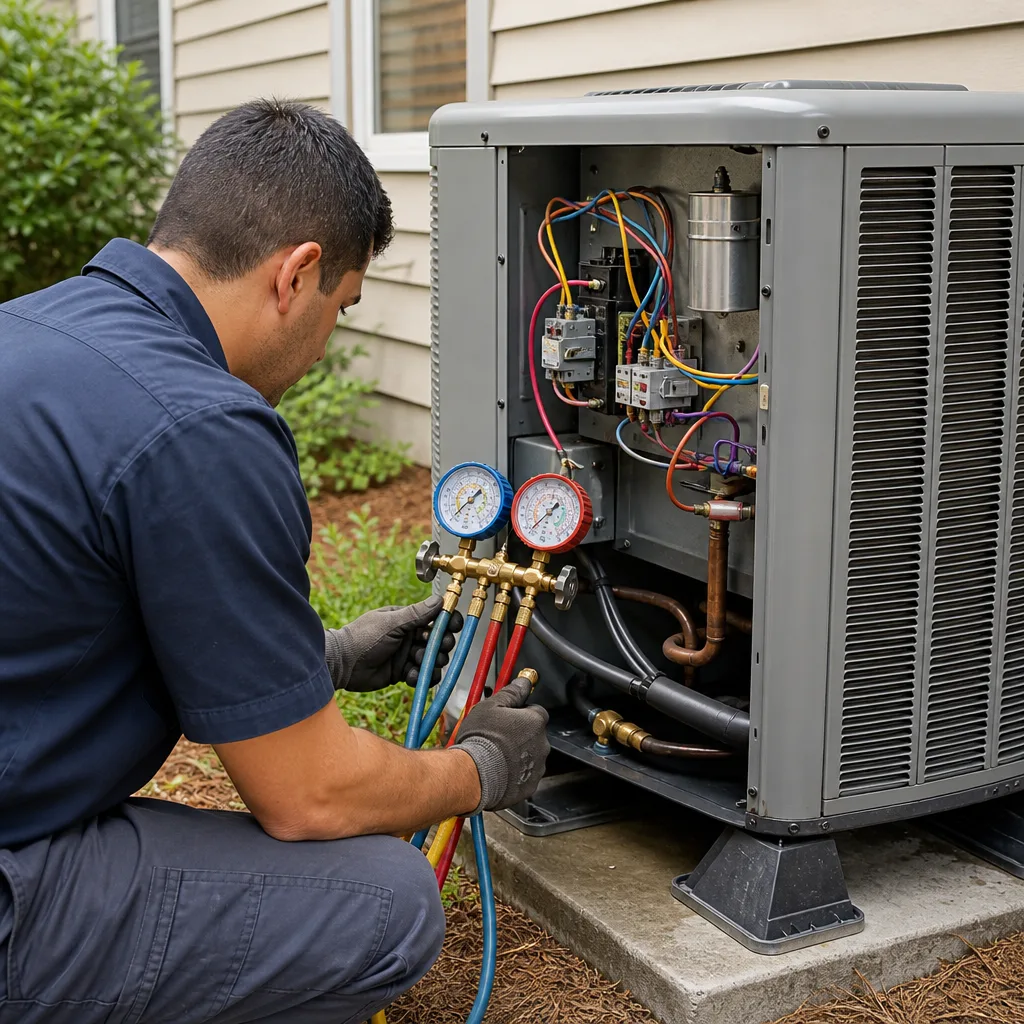 After
After Before
 After
After Before
 After
After