
Last updated October 16, 2026
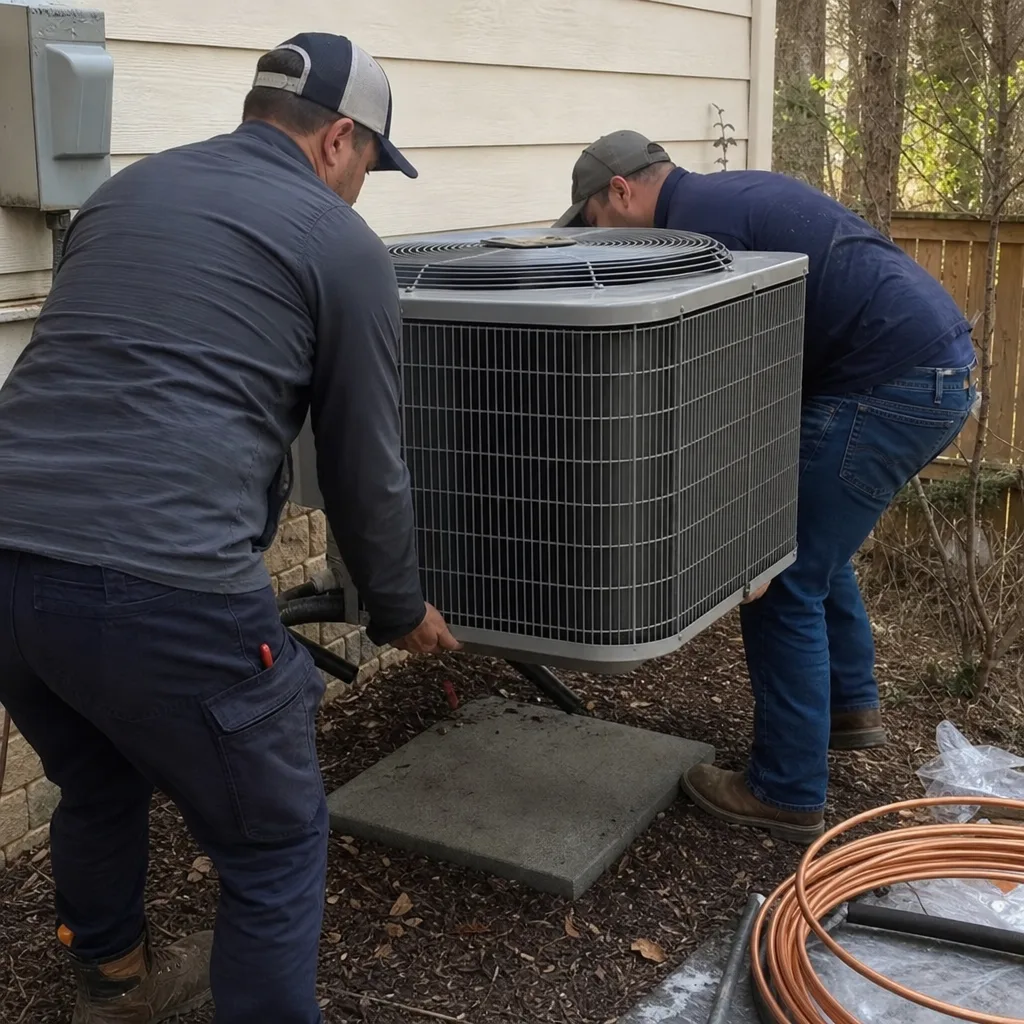
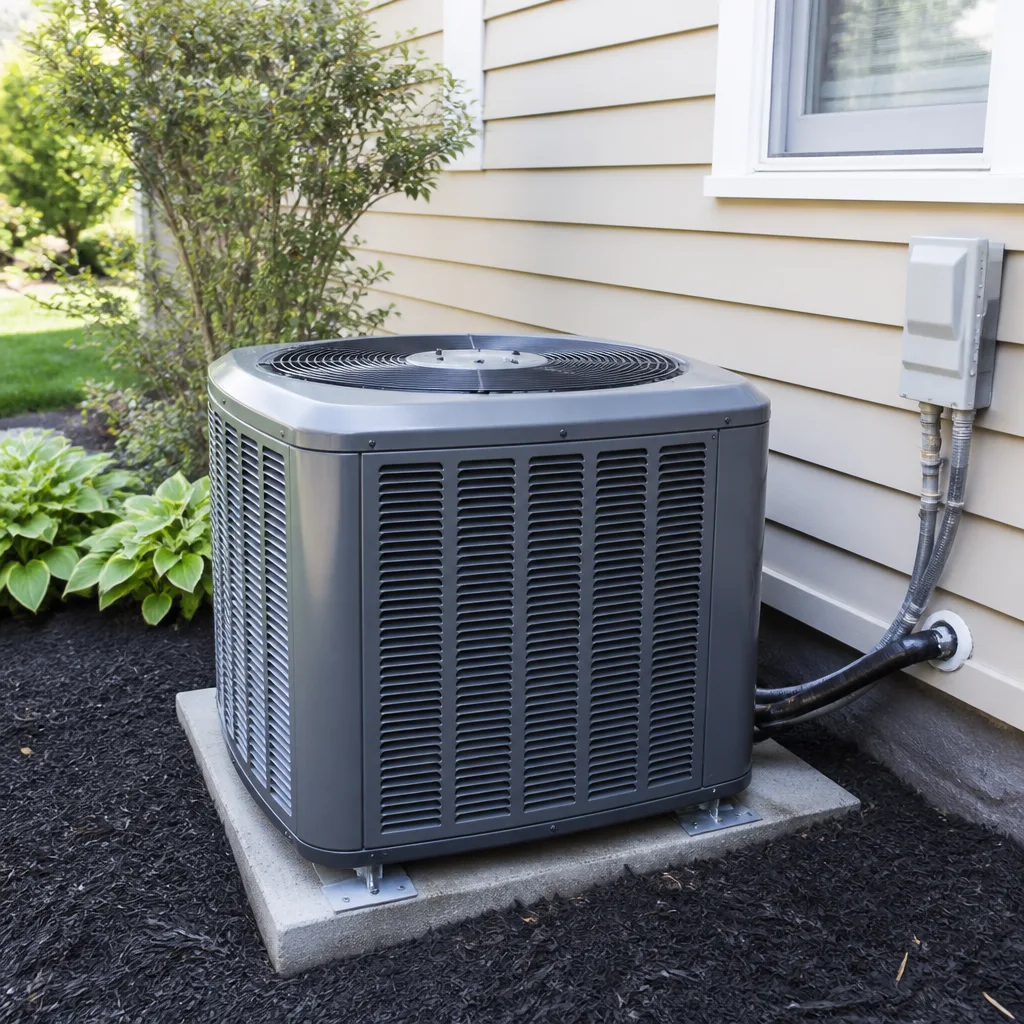 AC repair
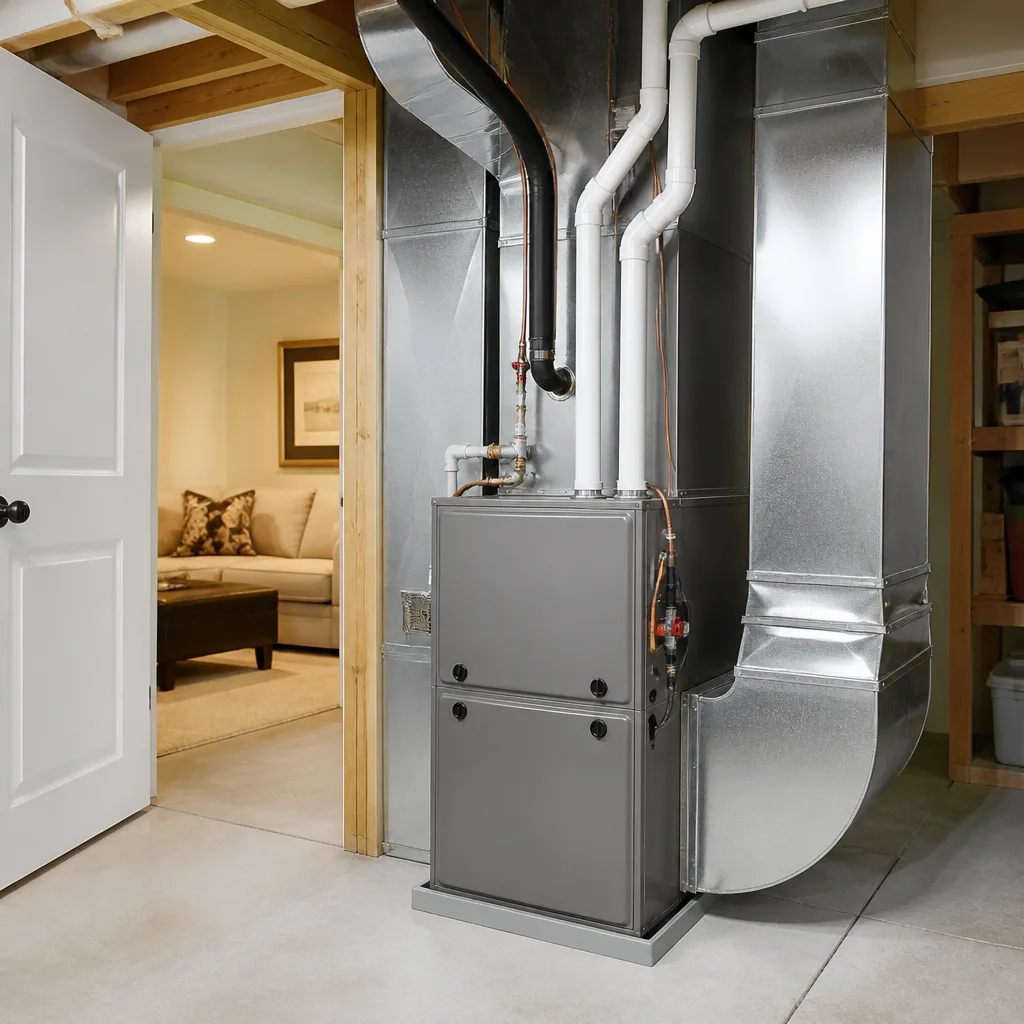 Furnace & heating
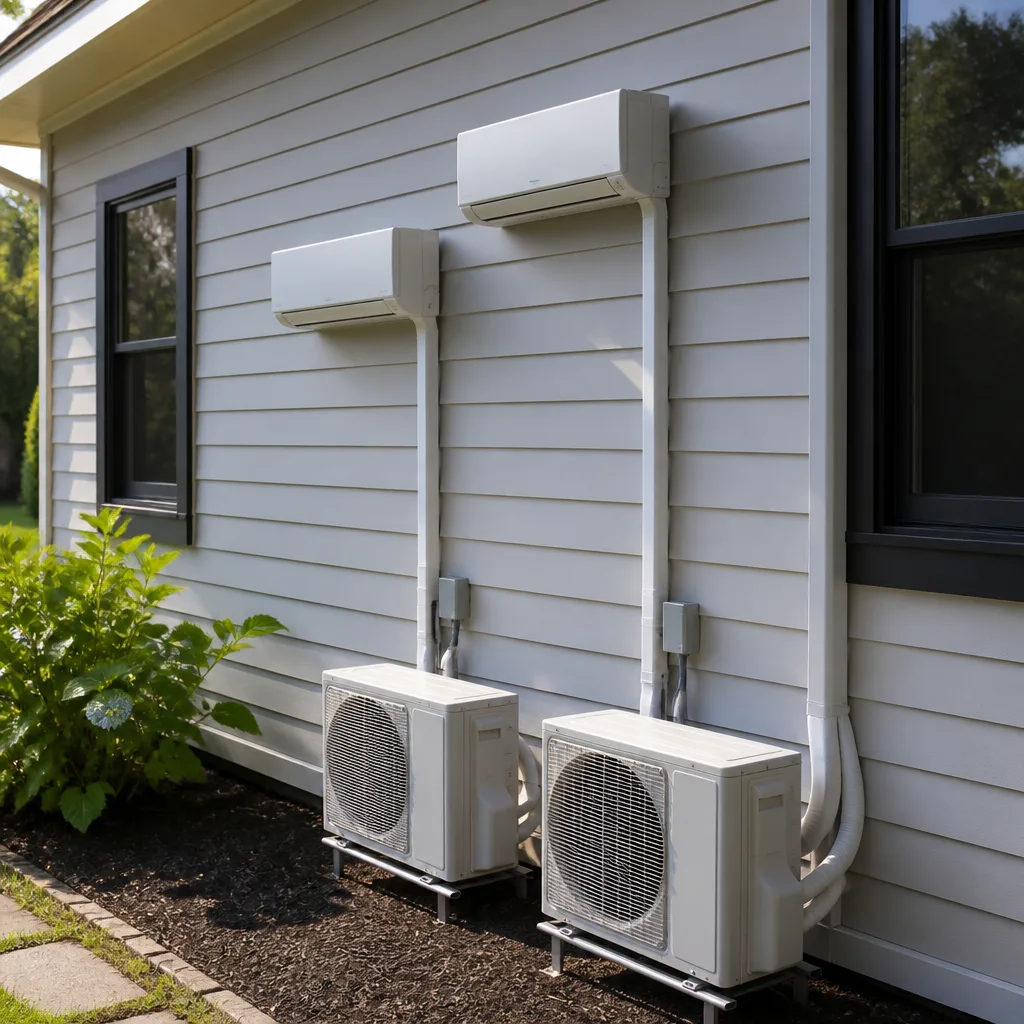 Ductless mini splits
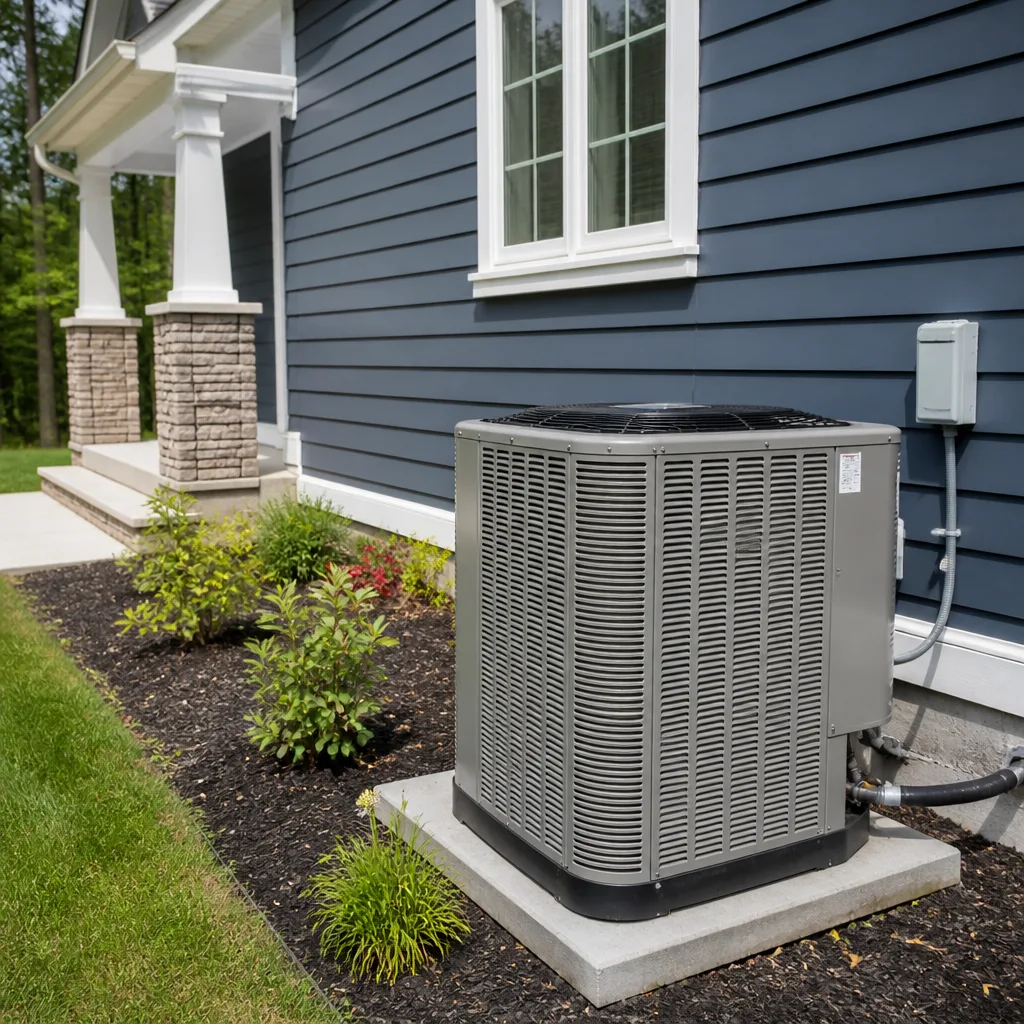 Carrier
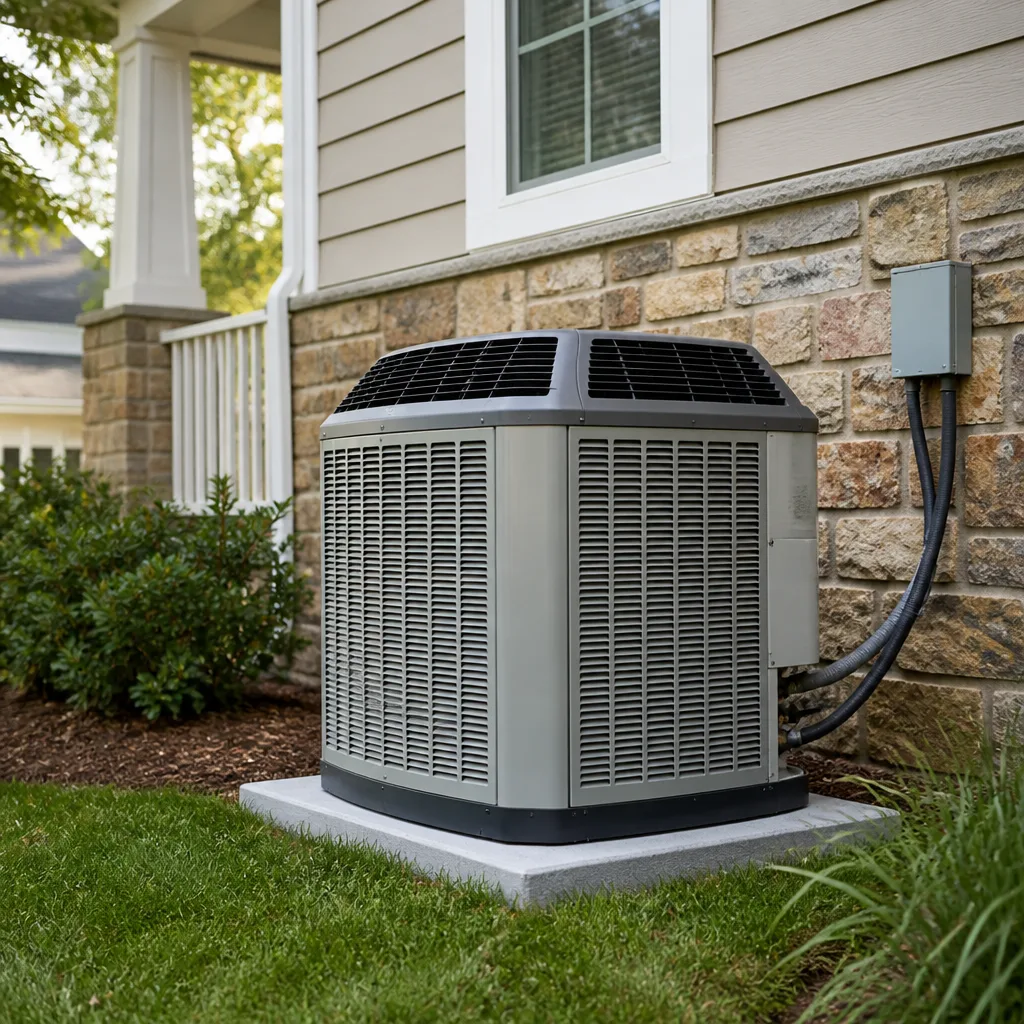 Trane
Trane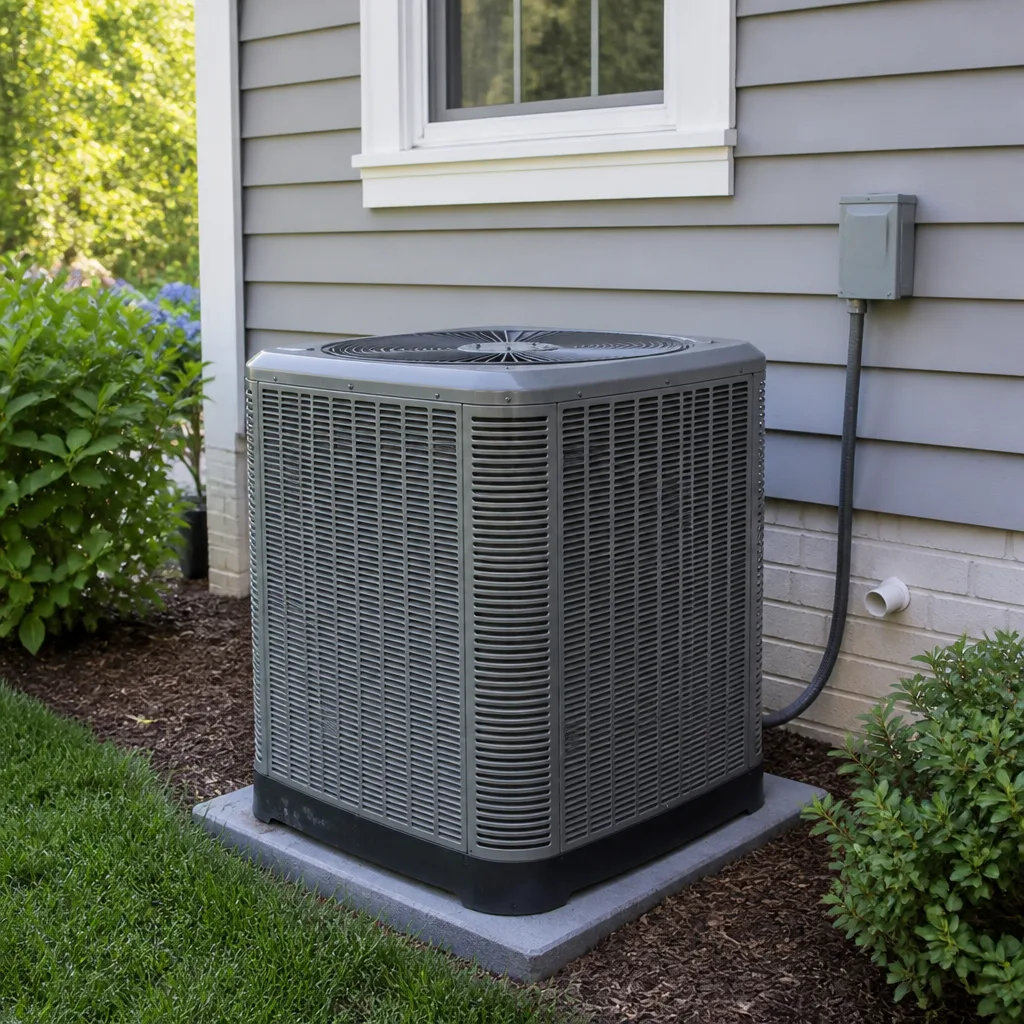 Goodman
Seasonal tune-up and full diagnostic on your Carrier, Trane, or Goodman system - readings shown to you before any repair is proposed
Diagnosis first, numbers second - you approve the repair price before a single part goes in.
Get your free estimateThe Complete Guide to HVAC in Atlanta
Atlanta averages 47 inches of rain and 72% relative humidity each year, yet most HVAC guides sold to Atlanta homeowners are written for Denver or Dallas conditions. Your system is quietly failing a test it was never designed to pass. This guide treats humidity load, red clay dust, and our 9-month cooling seasons as the starting point, not a footnote, and links to more guides & resources for Atlanta homeowners. You’ll learn why equipment sized for a “typical” U.S. home is probably sized wrong for Atlanta, which specific ratings actually matter in climate zone 3A, and how to hold any contractor to a standard that protects you before, during, and after the work.
Styles & brands we work with
Quick Answer
HVAC in Atlanta is defined by humidity, not just heat. A properly designed system here must pull moisture out of the air (latent heat removal) as aggressively as it drops temperature (sensible cooling), which is why Manual J load calculations, variable-speed equipment, and sealed ductwork matter more in Atlanta than in drier climates. Expect to pay $5,500 – $9,500 for a mid-range full system replacement sized correctly for Atlanta conditions, and replace a system every 12 – 15 years under local operating stress, not the 15 – 20 years national averages suggest. For a detailed look at what drives these numbers, see our HVAC Cost Breakdown: The Atlanta Homeowner’s Reference for 2026.
Table of Contents
- Why Atlanta’s Climate Is Harder on HVAC Than Any Guide Admits
- Manual J in Atlanta: Latent Heat Is the Whole Ballgame
- Equipment Ratings That Matter in Climate Zone 3A
- Red Clay Dust, Tree Canopy, and Condenser Placement
- Realistic Equipment Lifespan in Atlanta Conditions
- The Transparency Standard: What to Demand at Every Stage
- What HVAC Work Actually Costs in Atlanta
- Common Mistakes to Avoid
- When to Call a Professional
- Frequently Asked Questions
- The Bottom Line
Why Atlanta’s Climate Is Harder on HVAC Than Any Guide Admits
Atlanta sits in climate zone 3A, a designation most homeowners never hear about. It means we get hot, humid summers and mild but damp winters. The outdoor dew point in July can sit at 70°F or higher for weeks at a stretch. When your AC runs, it’s doing two jobs at once: dropping the temperature (sensible cooling) and pulling water vapor out of the air (latent cooling). In Halden Heating and Air Atlanta home service territory, the latent load often exceeds the sensible load on a muggy August afternoon.
Here’s what that means in practice. A properly sized AC in Atlanta should run long cycles when it’s 95°F and humid outside. Long run times pull more moisture out of the air. If a contractor puts in an oversized unit, it blasts cold air for 10 minutes, satisfies the thermostat, and shuts off before it’s removed any meaningful humidity. You end up with a cold, clammy house and a system that short-cycles itself into an early grave.
Atlanta also gets shoulder seasons that don’t exist in most guides. April and October can swing from 85°F and sticky to 45°F and drizzly within 72 hours. Your HVAC needs to handle both cooling and dehumidification without a full switch-over to heat. Systems with true variable-speed blowers and two-stage compressors handle this far better than single-stage equipment, which is what most homes built before 2010 have.
The 9-month cooling season is real. From March through November, your AC runs in some capacity. That’s roughly 2,700 run-hours per year in Atlanta versus 1,200 – 1,500 in Boston or Minneapolis. More run-hours equals more wear on every moving part: compressor, blower motor, contactor, capacitor. National maintenance schedules assuming a 4-month cooling season don’t apply here.
Manual J in Atlanta: Latent Heat Is the Whole Ballgame
Manual J is the industry-standard calculation that determines what size HVAC equipment a home needs. It accounts for square footage, window orientation, insulation levels, air leakage, and occupant count. What many contractors skip in Atlanta is the latent heat component, which measures how much moisture the system must remove. Skip that calculation and the whole design becomes a guess.
A correct Manual J for an Atlanta home separates latent load from sensible load. Sensible load is the temperature drop. Latent load is the moisture pull. On a 95°F day with 70°F dew point, a 2,200-square-foot ranch in Decatur might have a sensible load of 24,000 BTU and a latent load of 9,000 BTU. The correct system serves both, typically with a 2.5-ton unit running at lower airflow in a longer cycle, not a 3-ton unit hammering cold air for 15-minute bursts.
How to tell if your Manual J was done right:
- The contractor asks about window orientation and shade cover, not just square footage.
- They measure each room, including ceiling heights, rather than estimating.
- They check insulation levels in the attic and crawlspace, or ask for utility bill history.
- They mention latent versus sensible load without you bringing it up.
- They give you a written copy of the calculation with the equipment proposal.
If a contractor quotes a replacement based on the size of your current unit without measuring anything, they’re not doing a Manual J. Our How to Hire a HVAC Contractor in Atlanta: A Step-by-Step Guide shows exactly what to look for. That’s the single most common sizing error we see in Atlanta homes, and it’s why so many houses in neighborhoods like Virginia-Highland and East Atlanta sit at 72°F but still feel sticky in August.
One more Atlanta-specific factor: compact red clay soil holds water against foundation walls and crawlspace floors. Moisture migrates up through the structure, adding hidden latent load that a proper Manual J should account for with a below-grade assessment. Most national guides never mention this because it’s not an issue in Phoenix.
Equipment Ratings That Matter in Climate Zone 3A
Salespeople lead with SEER ratings because they’re simple to explain. But in Atlanta, SEER2 and HSPF2 tell only part of the story. What matters just as much is dehumidification capacity, measured as pints per hour at specific conditions. A 16 SEER2 Trane with excellent moisture removal might outperform an 18 SEER2 unit that’s mediocre at pulling water from the air.
Here’s what to prioritize in Atlanta:
- SEER2 rating: The updated efficiency standard for cooling. Minimum for new installations in the South is 14.3 SEER2 as of 2023. For Atlanta’s long cooling season, 16 – 18 SEER2 is the sweet spot for most homes. Above 18 SEER2, the payback stretches past 8 years unless you plan to stay put for a decade or more.
- HSPF2 rating: The heating-efficiency number. Atlanta winters are mild, so heat pumps with 8.5+ HSPF2 handle our cold snaps efficiently. Unlike northern climates, do not overpay for ultra-high HSPF2 ratings. Your furnace or heat pump simply won’t run enough heating hours to justify it.
- Dehumidification capacity: Look for equipment with a dedicated dehumidification mode or enhanced moisture-removal setting. Lennox and Rheem both make units with this feature built in. It allows the system to run at reduced airflow, extending cycle time and pulling more water per hour.
- Variable-speed compressor: In Atlanta, this is not an upsell. It’s the difference between a house that feels dry at 74°F and a house that feels like a damp basement at 72°F. Variable-speed equipment can run at 30 – 40% capacity for hours, which is exactly what our humidity demands.
- Two-stage combustion furnace (if staying with gas): A two-stage gas furnace runs at low fire for most of the winter and only kicks to high fire on the coldest nights. For Atlanta’s 50-degree winters, it saves fuel and reduces temperature swings.
What about brands? We service Trane, Lennox, Goodman, and Rheem equipment daily across Atlanta. The honest answer is that installation quality matters more than the badge on the cabinet. A perfectly installed Goodman will outperform a poorly installed premium system every time. That said, Trane and Lennox tend to have better parts availability locally, which shortens repair timelines when something does fail.
Red Clay Dust, Tree Canopy, and Condenser Placement
Atlanta’s red clay isn’t just a laundry problem. It’s an HVAC problem. Our soil is acidic, fine-grained, and gets airborne every time a lawn is mowed or a foundation bed is dug. That dust settles on outdoor condenser coils and clings. Once it bonds with humidity, it forms a thin crust that insulates the coil and reduces heat transfer. In neighborhoods like Grant Park and Kirkwood where mature lots mean constant landscaping activity, a condenser coil can lose 15 – 20% of its efficiency in a single season.
Filter replacement frequency in Atlanta should be every 30 days during peak cooling season, not the 90 days printed on national-brand filter packaging. Red clay dust plus constant fan operation means filters load up fast. If you have dogs, kids, or carpet, check twice a month. A clogged filter raises static pressure, forces the blower motor to work harder, and shortens its life by years.
Tree canopy is both a blessing and a curse. Atlanta’s urban forest shades roofs and reduces sensible cooling load, which is good. But oak and pine debris drop directly into the air stream around ground-level condensers. Pine straw in particular packs against the coil fins and blocks airflow. If your condenser sits under a mature oak in Buckhead or Druid Hills, expect to clear debris from around it at least monthly from March through June.
Condenser placement matters more in Atlanta than in drier cities because of our thunderstorm pattern. Units placed in a low spot catch runoff from hard summer downpours. Standing water around the base accelerates coil corrosion and invites ants, which love the warmth and can short out contactors. Elevate the pad, ensure positive drainage away from the foundation, and keep shrubs at least 18 inches back for proper airflow.
One more local factor: Atlanta’s roof pitch and attic ventilation. Many older bungalows in East Atlanta and Candler Park have gable vents but no ridge vent. Attic temps hit 140°F in August. That heat radiates into the ductwork if ducts run through the attic, which they do in most Atlanta homes. Sealed and insulated ducts matter as much as the equipment itself. A 20°F duct loss turns a 16 SEER system into a 10 SEER system on the hottest days.
Realistic Equipment Lifespan in Atlanta Conditions
National guides say AC units last 15 – 20 years and furnaces last 20 – 25. In Atlanta, knock those numbers down. Our climate runs equipment harder, longer, and in more corrosive conditions. Here’s what we actually see across the metro:
| Equipment Type | Typical Lifespan in Atlanta | Factors That Shorten It Here |
|---|---|---|
| Air conditioner (standard single-stage) | 10 – 13 years | 9-month run season, red clay dust, humidity-driven short-cycling |
| Air conditioner (variable-speed) | 13 – 16 years | Longer run cycles at lower load reduce stress |
| Gas furnace (standard 80% AFUE) | 14 – 17 years | Mild winters mean less stress, but humidity causes rust in crawlspaces |
| Gas furnace (90%+ AFUE condensing) | 16 – 19 years | Plastic venting holds up better in humid conditions |
| Heat pump (air-source) | 11 – 14 years | Runs year-round, summer humidity plus winter defrost cycles |
| Ductless mini-split | 12 – 15 years | Good option for older Atlanta homes without ductwork |
| Evaporator coil (indoor) | 8 – 12 years | Constant humidity breeds corrosion; coil leaks are the #1 repair we see |
The evaporator coil deserves special attention. In Atlanta, indoor coils live in a perpetually damp environment. They condense moisture every time the AC runs, which is 9 months a year. That constant wet-dry cycle accelerates corrosion, especially on copper-aluminum connections. We replace far more indoor coils than compressors in Atlanta, which is the opposite of what national repair data shows.
Regular maintenance extends these numbers. A clean coil and a fresh filter reduce system pressure and heat. A neglected system in a dusty, humid lot in Cabbagetown can lose 3 – 4 years off its compressor life compared to a well-maintained one in the same neighborhood. The AC Repair in Atlanta work we do most often traces back to deferred maintenance, not manufacturing defects.
The Transparency Standard: What to Demand at Every Stage
Most homeowners in Atlanta don’t know what a transparent HVAC call looks like because they’ve never seen one. At Halden Heating and Air Atlanta, we hold every job to The Relay Visibility Guarantee, which means you see exactly what’s happening at each stage. Here’s the standard to demand from any contractor working on your Atlanta home:
- Booking: You book online or by phone and receive a confirmed time slot, not a “sometime between 8 and 4.” You get the technician’s name and a live arrival time you can track on your phone, the same way you’d track a rideshare driver.
- Arrival: The technician shows up in a marked vehicle, wearing a uniform, and introduces themselves before touching anything. They put on shoe covers before walking your floors. Background checks are done before they ever knock on your door.
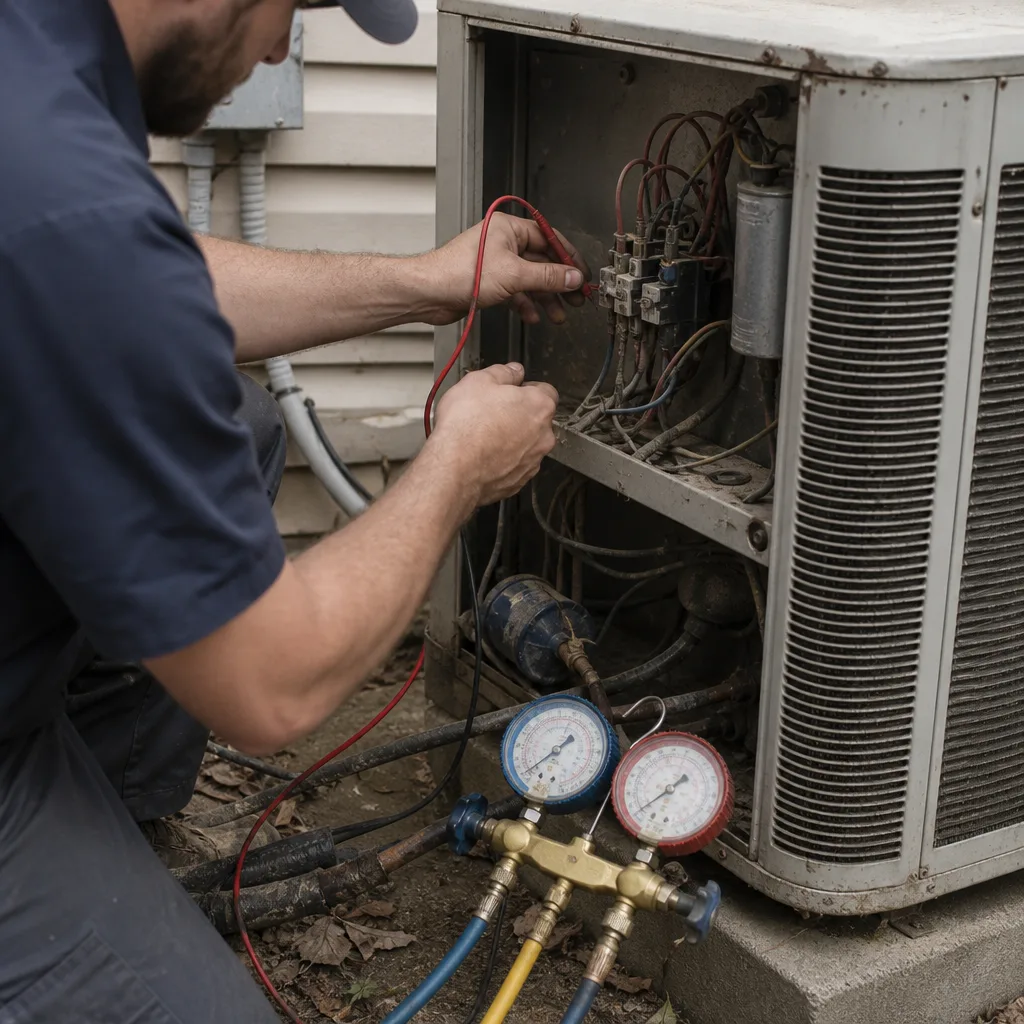
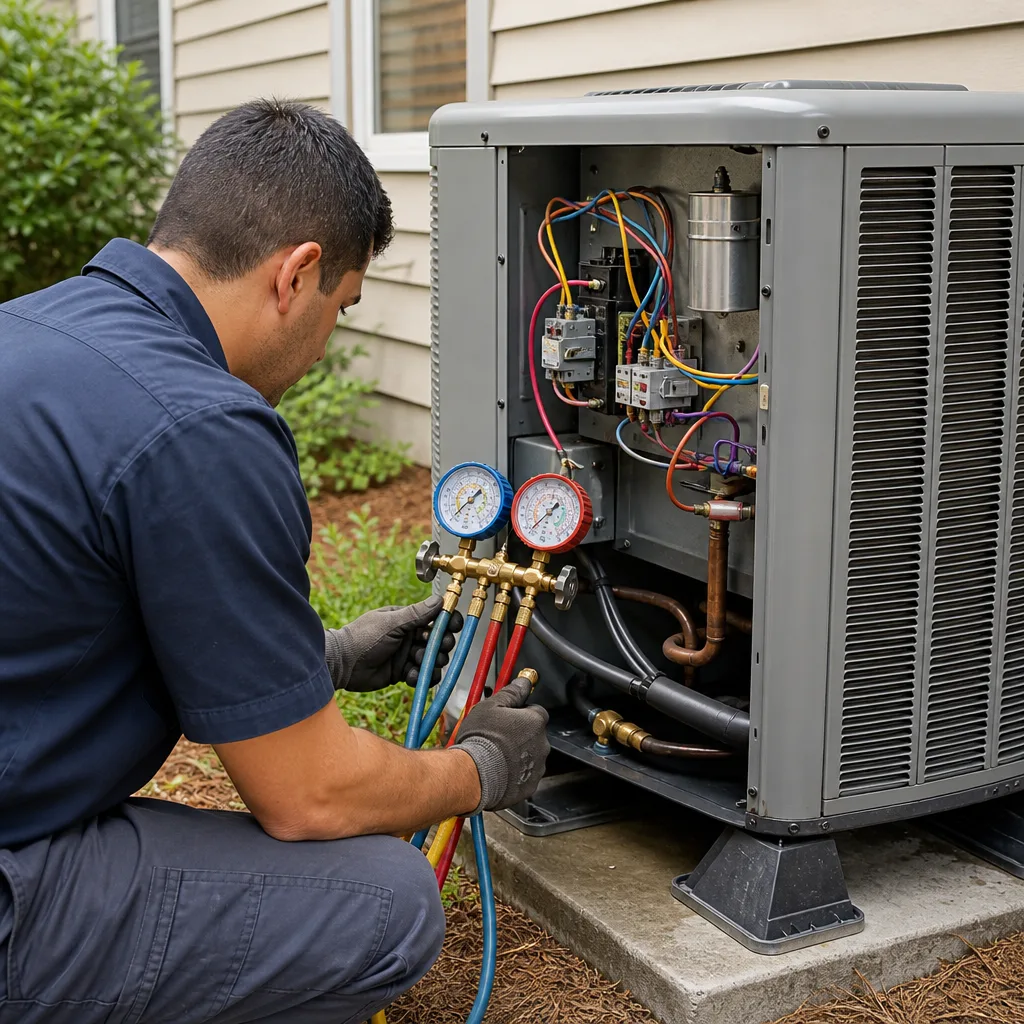
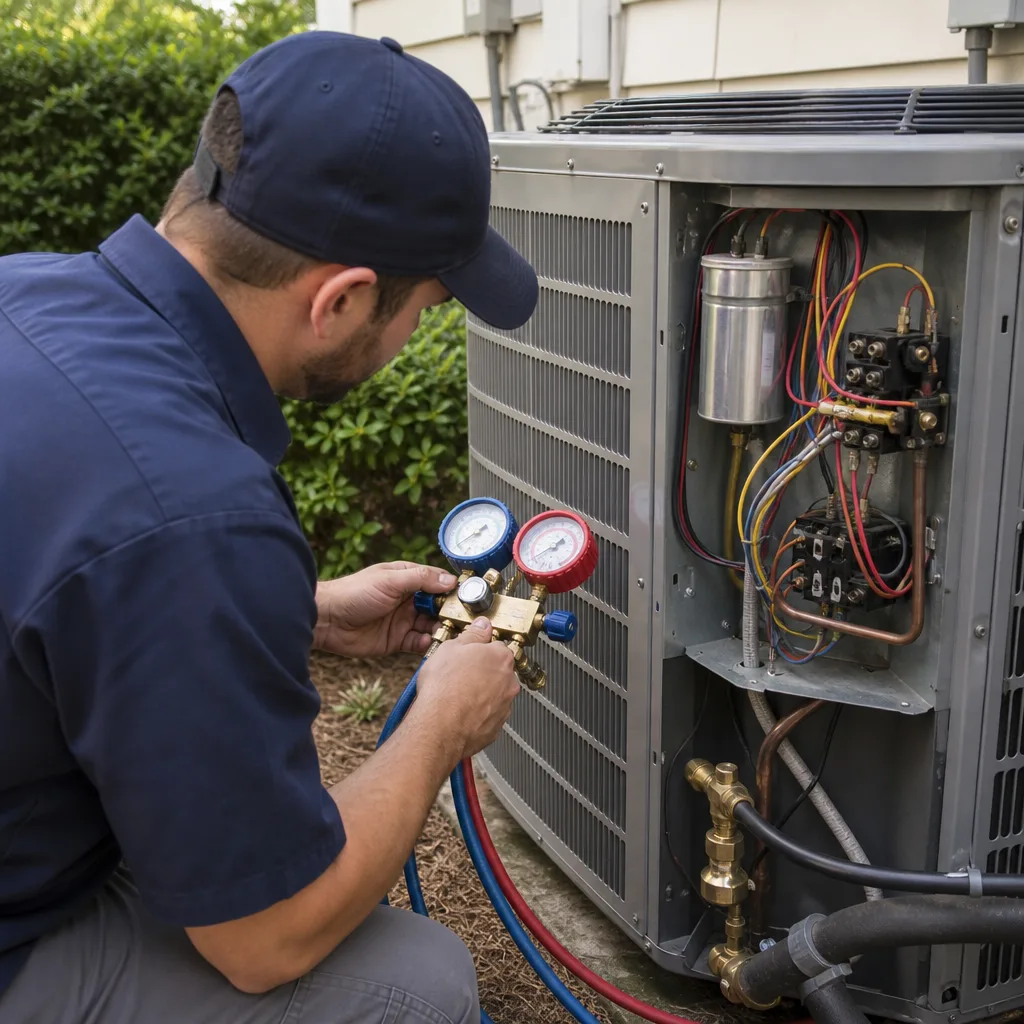
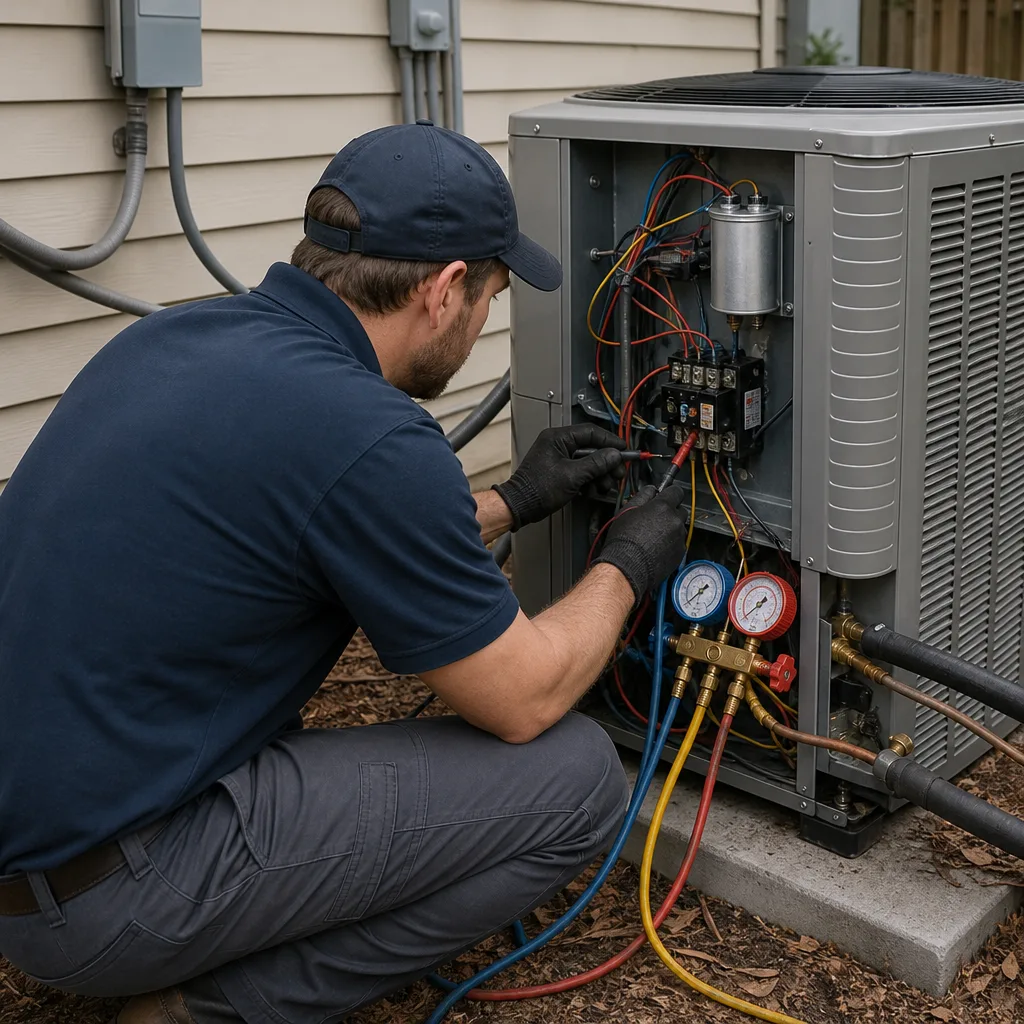
- Diagnosis: The technician walks you through what they found in plain English. “Your capacitor is rated at 45 microfarads and it’s reading 6. That’s why the compressor isn’t starting.” They show you the reading. They take photos. You understand the problem before a price is mentioned.
- Written price: You get the full cost in writing before any work begins. Parts, labor, fees, everything. That number does not change when the work is done. If the tech finds something else mid-repair, they stop and get your written approval first.
- After the work: You get before-and-after photos of the repair, a written guarantee on everything that was done, and a receipt itemizing every dollar. The guarantee includes a free second visit if the repair fails within the coverage window.
The Relay Visibility Guarantee exists because the old model, surprise pricing at the door, is still the default in Atlanta. We think that’s unacceptable. The standard exists for a reason: homeowners deserve to know who’s coming, when they’ll arrive, and what it costs before a tool is picked up.
What HVAC Work Actually Costs in Atlanta
Pricing in Atlanta runs slightly below the national average for equipment, but labor costs are competitive because of the density of HVAC companies in the metro. Here’s what we see across the city in 2025:
- Diagnostic service call: $75 – $120, waived if you proceed with the repair.
- Capacitor replacement: $150 – $300. The part costs $15 – $50; you’re paying for the diagnosis, the part, and the guarantee.
- Contactor replacement: $175 – $325. Similar structure, slightly more involved wiring.
- Refrigerant recharge (topping off the coolant your system needs to produce cold air): $200 – $600 depending on the refrigerant type and amount. R-22 systems are now obsolete, and the refrigerant costs more than the labor.
- Condensate line clearing: $125 – $250. In Atlanta, clogged condensate lines are one of the most common calls because of the humidity and algae growth.
- Blower motor replacement: $450 – $900 depending on whether it’s a standard or variable-speed motor.
- Evaporator coil replacement: $1,800 – $3,200. In Atlanta, this is the single most common major repair due to humidity-driven corrosion.
- Full AC replacement (condenser + coil): $5,500 – $9,500 depending on SEER2 rating and brand. Most Atlanta homes land in the $6,500 – $8,000 range for a 16 SEER2 system sized correctly.
- Full system replacement (AC + furnace): $8,000 – $14,000 for a mid-range setup. This is the big one, and it’s where Manual J sizing matters most.
- Duct sealing and insulation: $1,500 – $4,000 depending on duct layout and accessibility. In Atlanta’s attic-duct homes, this often delivers better comfort than a new AC.
These are real ranges for the Atlanta market, not national averages. Quotes vary by neighborhood, equipment availability, and seasonal demand. Always get the written price before work starts. If a contractor won’t put it in writing, walk away.
Common Mistakes to Avoid
- Oversizing the AC unit. Contractors sometimes quote a 4-ton unit for a 2,200-square-foot home because “bigger is better.” In Atlanta’s humidity, an oversized AC short-cycles, leaves the house clammy, and fails years early. Insist on a Manual J.
- Ignoring the condensate line until water stains appear. By the time you see a ceiling stain in your Atlanta home, the clog has been building for months. Pour a cup of white vinegar down the line every 30 days during cooling season.
- Using cheap 1-inch fiberglass filters. These do almost nothing for red clay dust and load up fast. Use a pleated filter with a MERV rating between 8 and 11. Lower than 8 and you’re just keeping out rocks. Higher than 11 and you risk restricting airflow.
- Closing vents in unused rooms. This increases static pressure and makes the blower work harder. Atlanta homes with attic ducts are already fighting duct leakage. Closing vents makes it worse.
- Deferring coil cleaning because “it’s working fine.” A dirty condenser coil reduces efficiency 10 – 20% and raises head pressure on the compressor. In Atlanta’s 9-month run season, that’s thousands of extra run-hours on a stressed compressor.
- Replacing equipment without addressing ductwork. Many Atlanta homes built in the 1990s and 2000s have leaky flex ducts in hot attics. New equipment on bad ducts is like a new engine in a car with flat tires.
- Accepting a verbal quote. If the price isn’t in writing before work starts, you have no protection. This is non-negotiable in Atlanta’s competitive market, where reputable companies put everything on paper as standard practice.
When to Call a Professional
Some HVAC problems are safe to diagnose yourself. A tripped breaker, a dirty filter, or a full condensate pan are things a homeowner can spot. But beyond that, the systems involve high-voltage electrical connections, pressurized refrigerant, and gas combustion. A wrong move on any of those can cause serious injury or fire.
If your AC is blowing warm air on a 90°F Atlanta day and you’ve already checked the filter and breaker, call a professional. If you smell gas near the furnace, turn off the gas valve at the unit and call immediately. If your system is making banging, hissing, or grinding noises, shut it off and get someone out. These are not DIY situations, and in Atlanta’s humidity they get worse fast. Halden Heating and Air Atlanta offers free estimates in Atlanta. Call (912) 616-5481.
Frequently Asked Questions
A full system replacement in Atlanta typically costs $8,000 to $14,000 for a mid-range AC and furnace sized correctly with Manual J. The final number depends on equipment efficiency, ductwork condition, and home size. Call (912) 616-5481 for a written, fixed-price quote, estimates are free.
Your system is either oversized and short-cycling, low on refrigerant, or the fan speed is set too high. In Atlanta’s climate, proper dehumidification requires long run cycles at lower airflow. Call (912) 616-5481 for a diagnostic visit.
Every 30 days during cooling season in Atlanta. Red clay dust, tree pollen, and constant fan operation load filters fast. Check twice a month if you have pets or live near construction.
In Atlanta, a standard single-stage AC typically lasts 10 – 13 years, not the 15 – 20 years national guides claim. Our 9-month cooling season, high humidity, and red clay dust accelerate wear on compressors and evaporator coils.
If the repair costs less than 30% of a replacement and your system is under 10 years old, repair it. If the evaporator coil is leaking, the compressor is failing, or the system uses R-22 refrigerant, replacement is usually the smarter move in Atlanta. Call (912) 616-5481 for an honest assessment with a written price either way.
Yes. AC Installation in Atlanta is scheduled with a set date and written price, but repairs are available same-day in most cases. Halden Heating and Air Atlanta answers calls live 24/7 and offers same-day repair appointments across the metro.
Not always. If your furnace is under 12 years old and in good condition, a new AC can be paired with the existing furnace using a compatible coil. If the furnace is nearing the end of its Atlanta lifespan, replacing both together usually costs less than doing them separately two years apart. Furnace Repair in Atlanta work we do often uncovers this exact decision point.
The Bottom Line
Atlanta’s HVAC demands are unlike anywhere else in the country. Humidity is the primary adversary, not temperature. Red clay dust attacks equipment from the outside while moisture corrodes it from the inside. Your system runs for 9 months a year and needs maintenance calibrated to that reality, not to a national average.
The equipment you choose matters, but the sizing calculation and the installation quality matter more. Demand a Manual J, demand a written price before work starts, and demand a guarantee that holds up in writing. The standard exists. If your contractor won’t meet it, find one who will. Call Halden Heating and Air Atlanta at (912) 616-5481 for a free estimate with honest answers and a fixed price in writing.
Written by Andre Fuller, Owner at Halden Heating and Air Atlanta, serving Atlanta since 2004.
See the difference
 Before
 After
After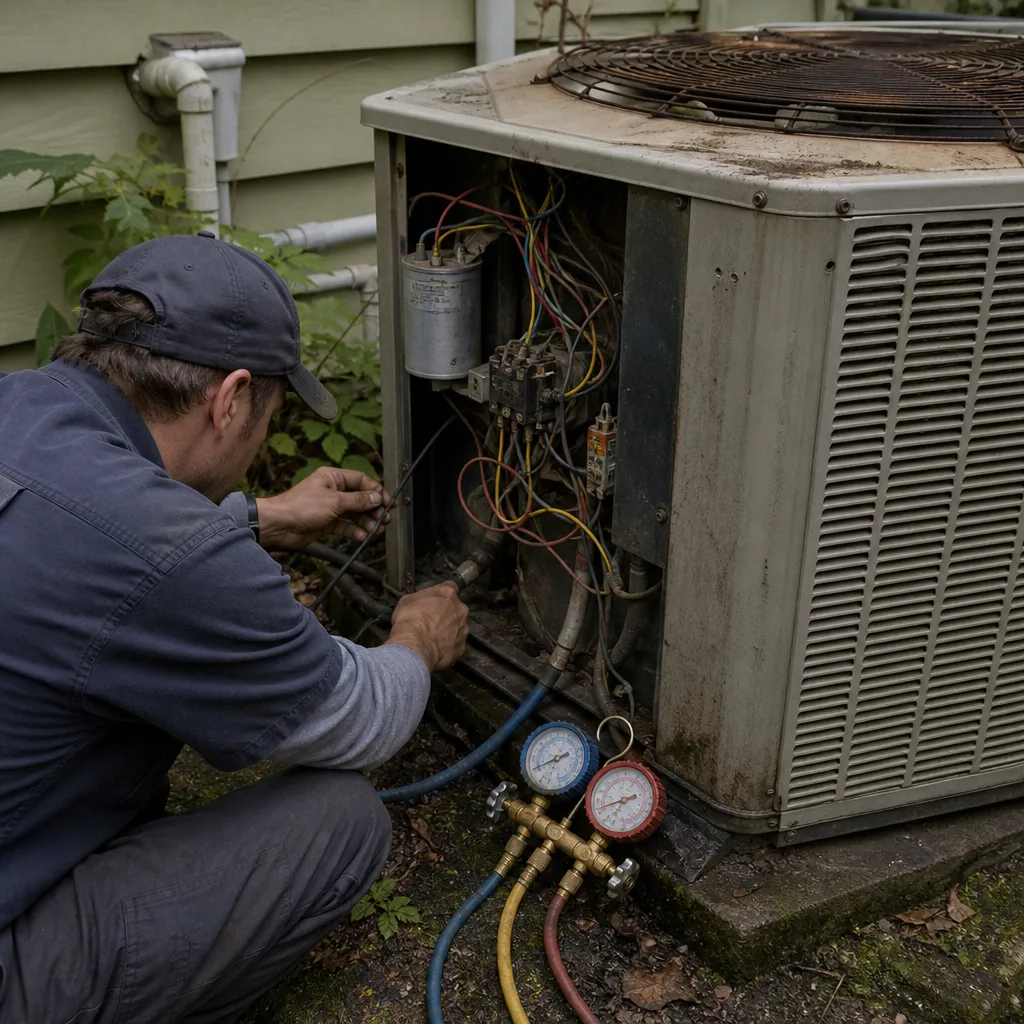 Before
 After
After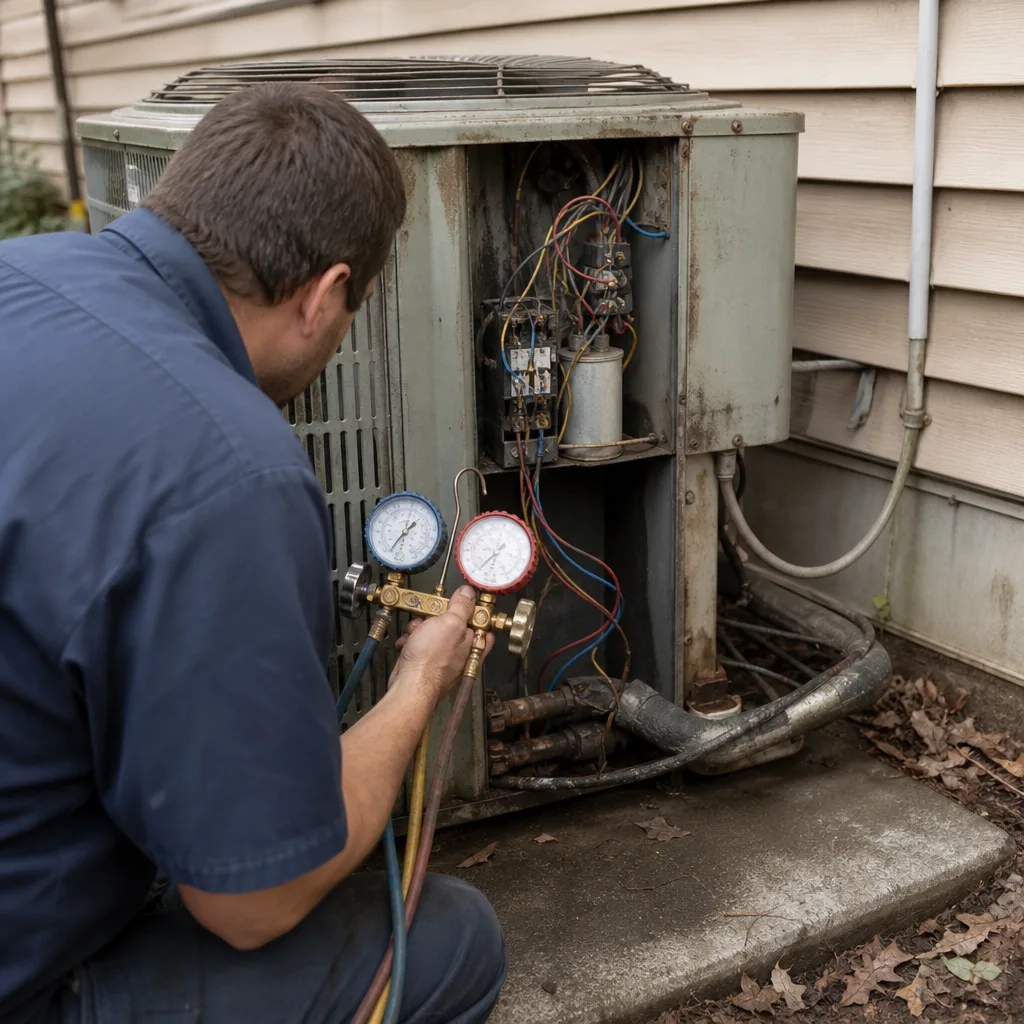 Before
 After
After