
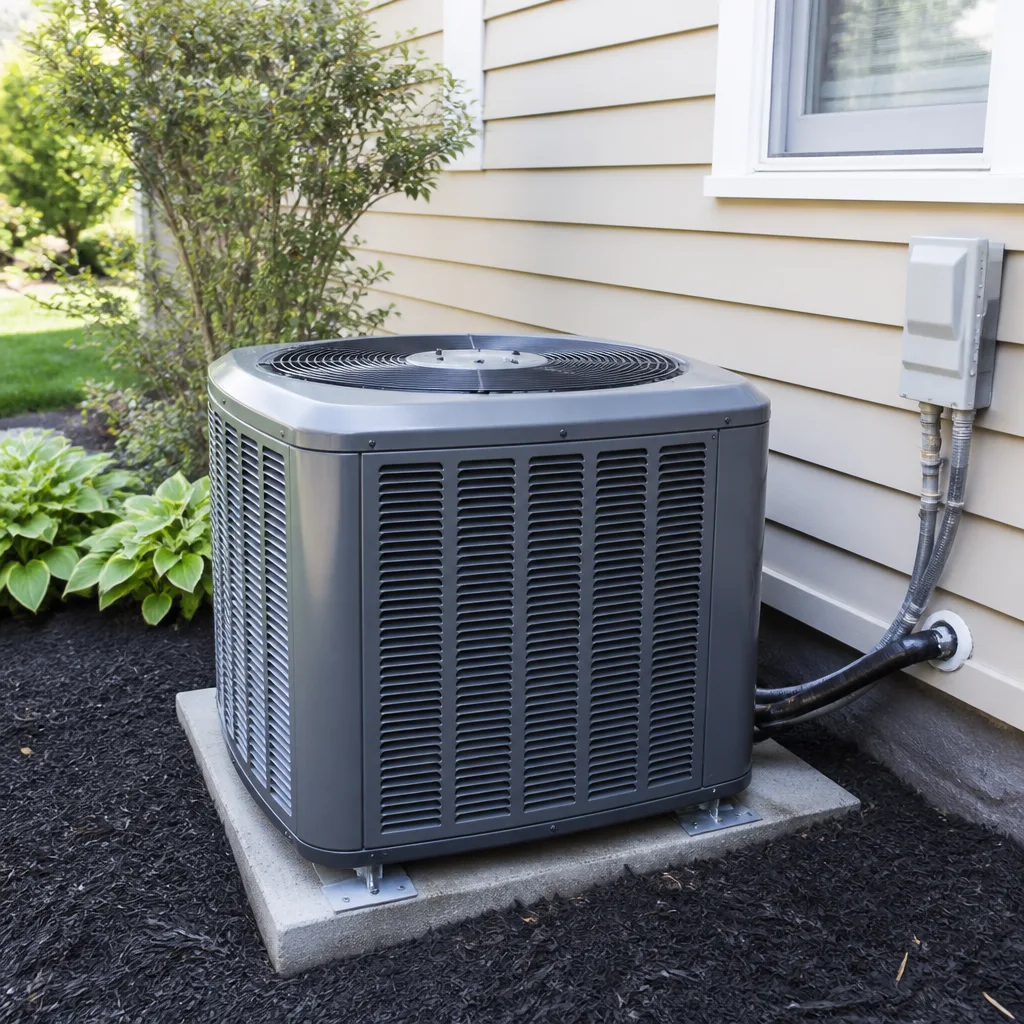
 AC repair
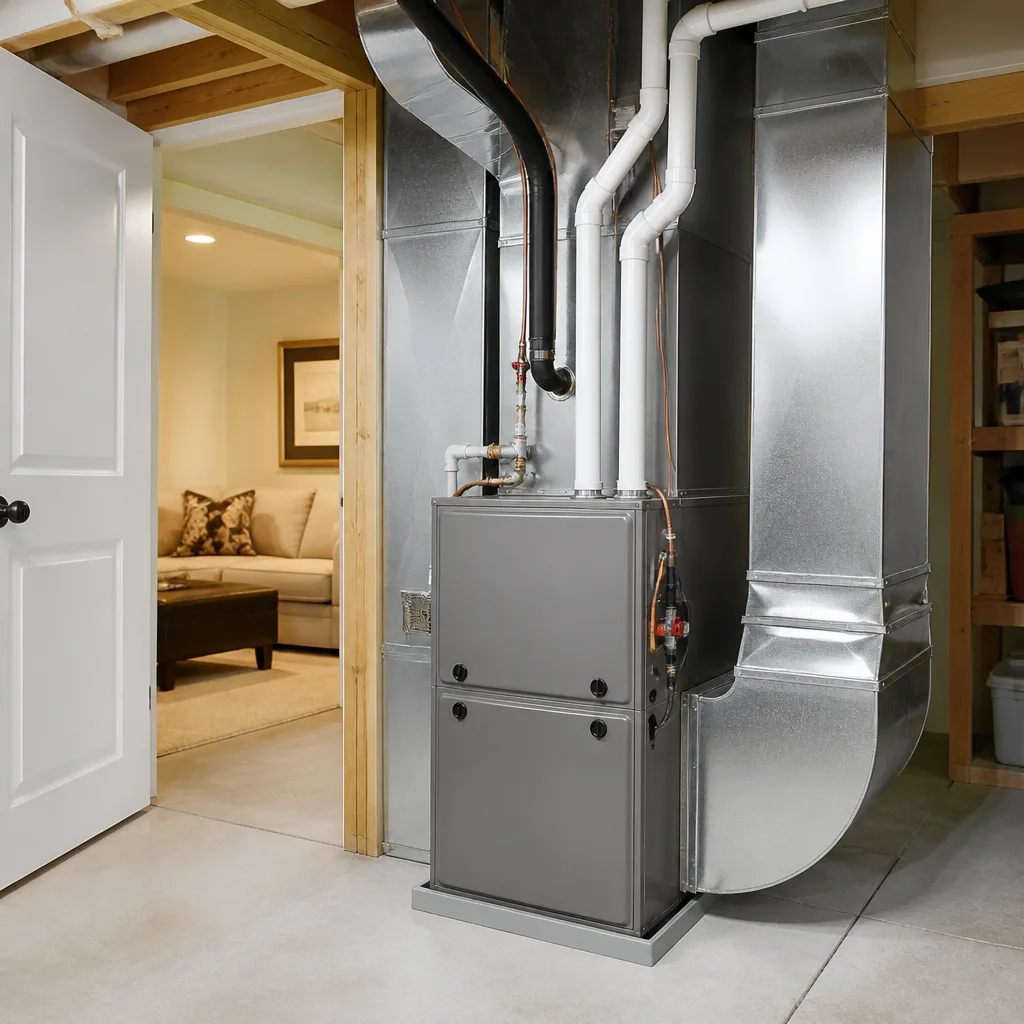 Furnace & heating
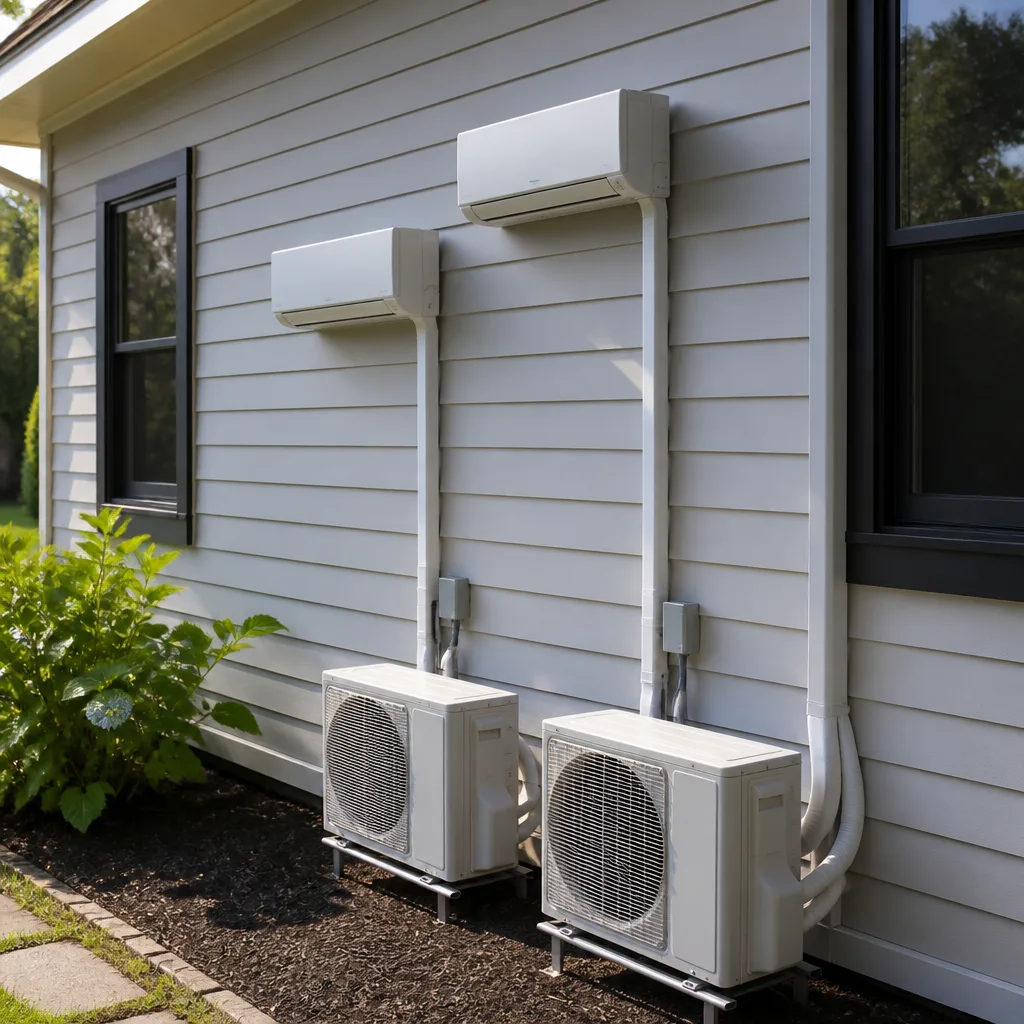 Ductless mini splits
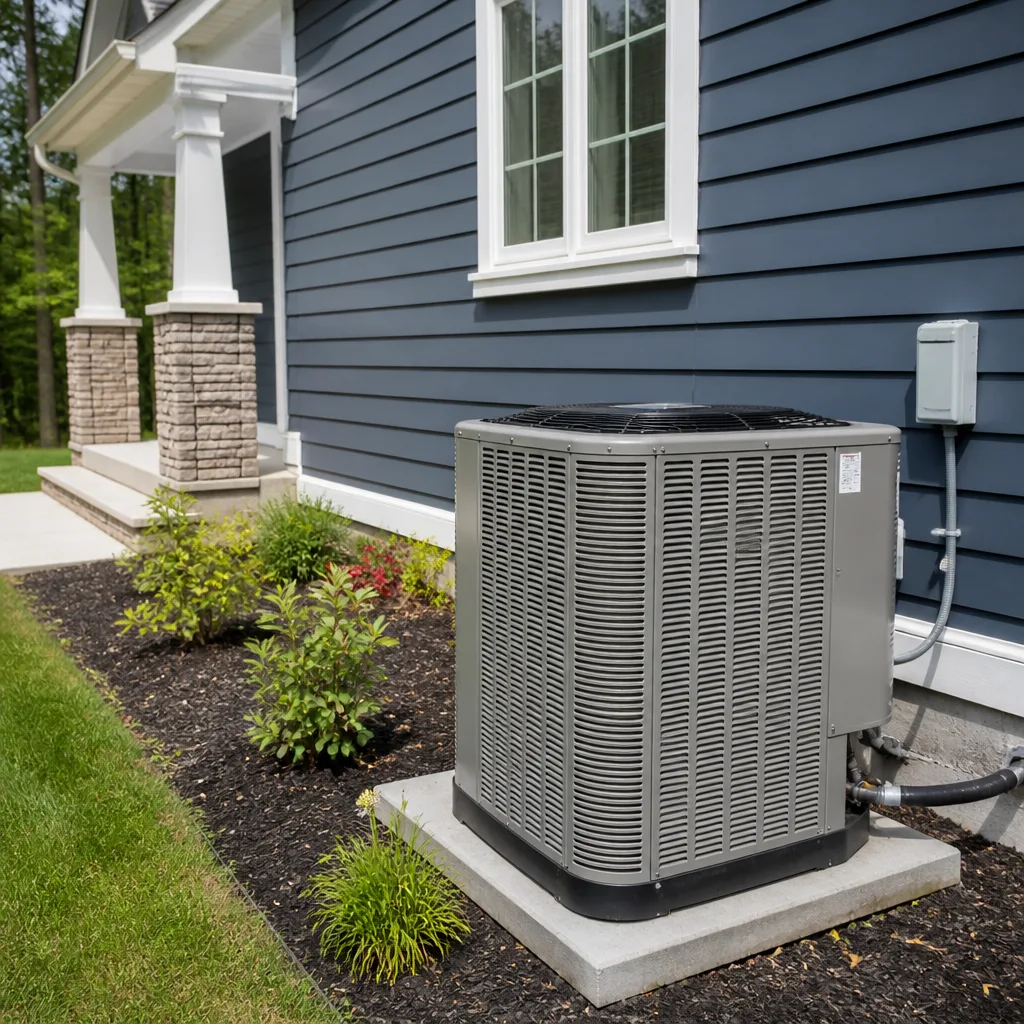 Carrier
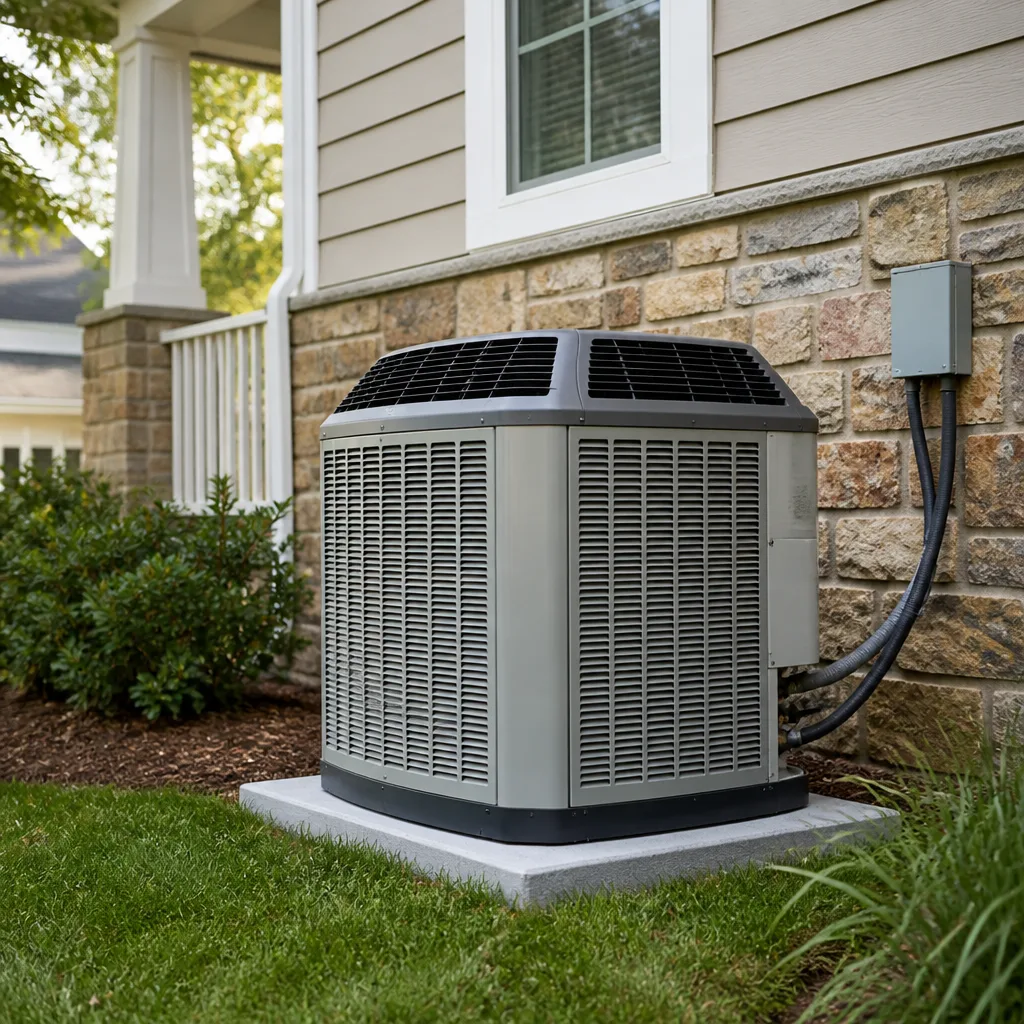 Trane
Trane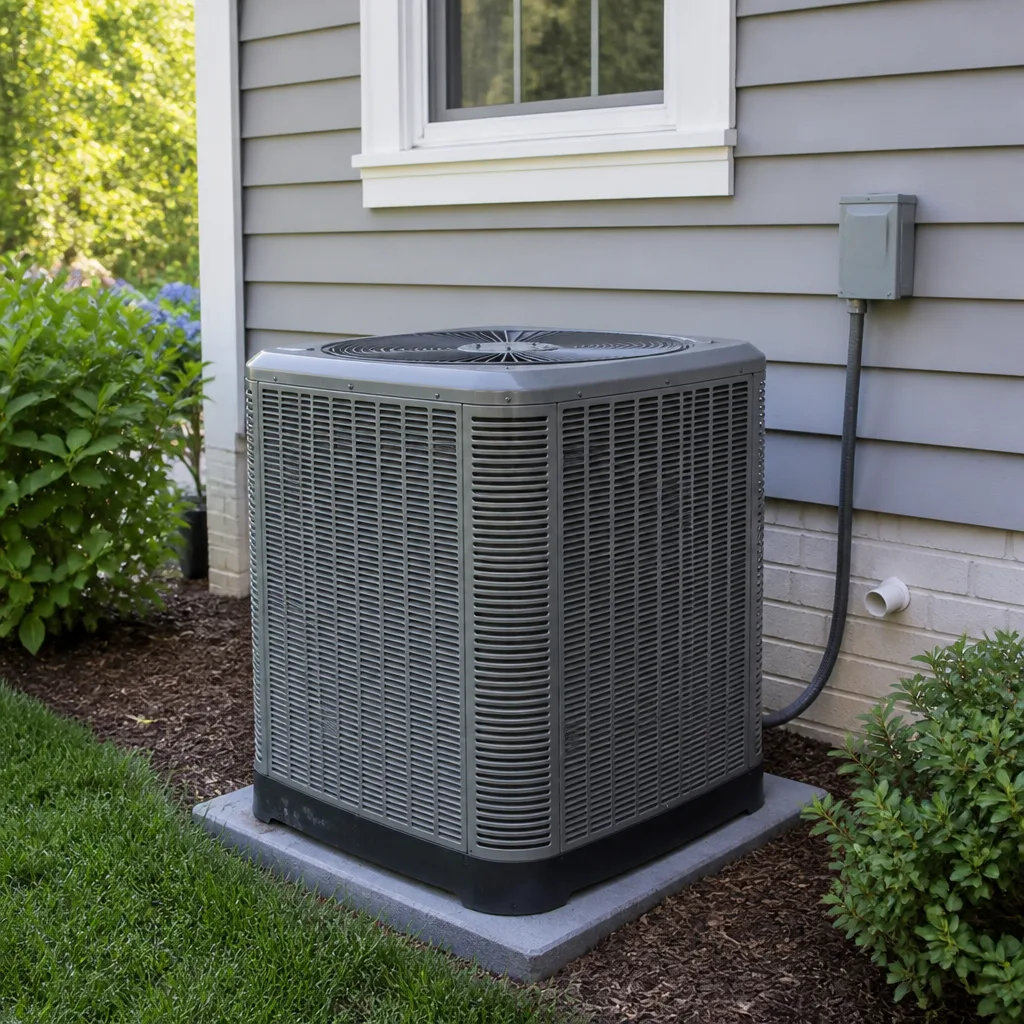 Goodman
Seasonal tune-up and full diagnostic on your Carrier, Trane, or Goodman system - readings shown to you before any repair is proposed
Diagnosis first, numbers second - you approve the repair price before a single part goes in.
Get your free estimateYork Ductwork Repair: The Atlanta Owner’s Guide
York ductwork repair in Atlanta typically runs between $250 and $800 installed, depending on how much duct has failed, whether we’re sealing joints or replacing sections, and access to your crawlspace or attic. Most jobs are done same-day because we keep York-compatible duct materials, mastic, and fittings on the truck. You’ll usually find the problem before a tech ever arrives: a room that never reaches temperature, a dust film on the furniture, or a whistling sound behind the drywall that your kids swear they don’t hear.
Ductwork isn’t glamorous, but it’s the circulatory system of your York system. When it leaks, you’re paying to heat and cool the attic, not the living room. Andre Fuller, Owner at Halden Heating and Air Atlanta, has pulled apart duct runs in Virginia-Highland bungalows that were losing 30% of their airflow through gaps the size of a car key. That’s not an efficiency problem. That’s money leaving through the ridge vent every single month.
Which York Models This Applies To
Ductwork is brand-agnostic in the sense that York doesn’t manufacture the flex duct, plenums, or trunk lines connected to your system, but the connection points, plenum sizing, and static pressure targets are all York-specific. Whether you’re running a York LX Series split system, a York Affinity heat pump, or an older Diamond 80 furnace, the duct design was matched to your unit’s CFM output and blower curve at install. When a repair swaps in undersized flex or mismatched transitions, it throws the whole system out of balance.
Here’s the compatibility gotcha most Atlanta homeowners don’t know: York systems with variable-speed blowers (Affinity and some LX models) are far less forgiving of duct repairs done wrong. A single-stage motor will push through moderate restriction. A variable-speed motor will ramp up to hit airflow targets, which drives up amp draw, shortens motor life, and can trip limit switches. The fix has to match the original duct diameter, R-value, and connection method. We check the model number on your air handler, measure the existing trunk and branch sizes, and match the replacement before we cut anything. For OEM versus aftermarket: duct board, flex, and mastic from quality manufacturers work fine when spec’d correctly, but the plenum-to-unit connection and any balancing dampers should always be metal and always be sealed with mastic, not tape. Tape fails in Atlanta attic heat. Mastic doesn’t.
Styles & brands we work with
Signs Your York Ductwork Repair Is Failing
- One room is always 5-8 degrees off. This is the classic signature of a disconnected or crushed branch run. The air is leaving the system, just not arriving where you set the thermostat.
- Dust appears on surfaces within days of cleaning. Return-side leaks pull unfiltered attic or crawlspace air into your system. That dust isn’t coming from outside your windows. It’s being vacuumed into the return plenum and blown through every vent.
- You hear whistling or fluttering behind the grille. A small leak under pressure makes a whistle. A loose damper or hanging flex makes the flutter. Both are cheap to fix, expensive to ignore.
- Your utility bill climbs while your comfort drops. Atlanta summers punish leaky ducts. Your York system is producing the cooling, but a 20% duct leak means you’re paying for 120% of the run time to get 80% of the comfort. Georgia Power rates don’t offer a duct-leak forgiveness plan.
- Rooms run hot upstairs no matter what you set. In two-story Atlanta homes, the trunk line runs through a 140-degree attic. If the insulation wrap is torn or the connections are loose, heat soaks into the cooled air before it ever reaches the second floor.
If you notice two or more of these, have a tech look at the ductwork before the next equipment replacement. New equipment on old, leaky ducts is like putting a new engine in a car with three flat tires.
See the difference
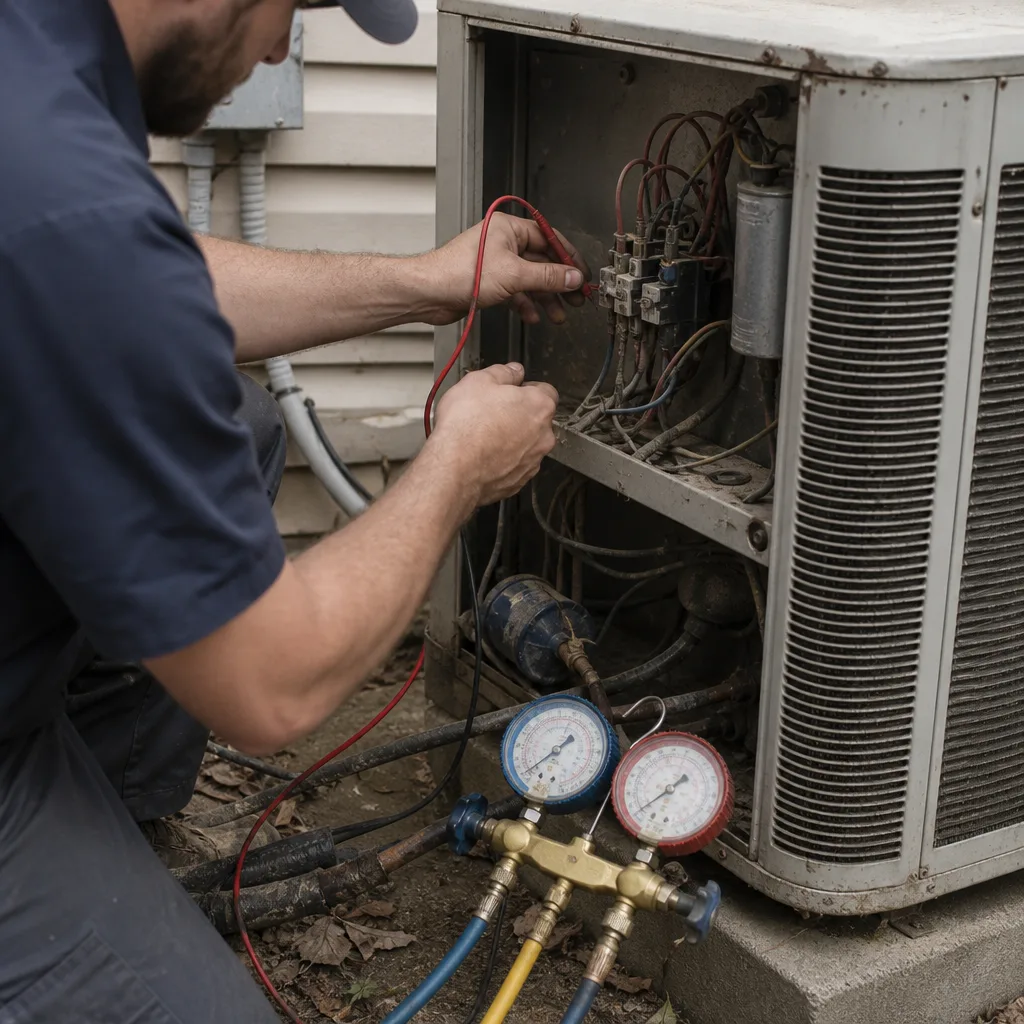 Before
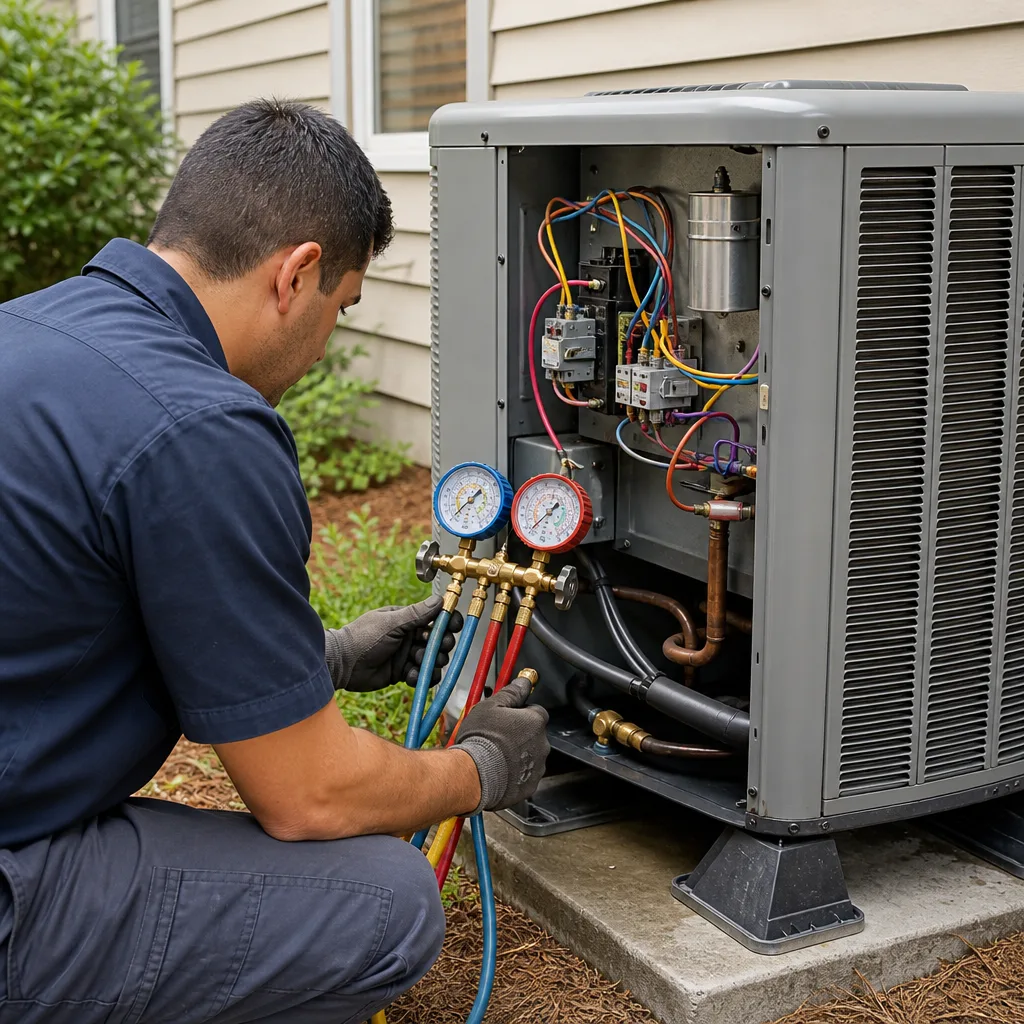 After
After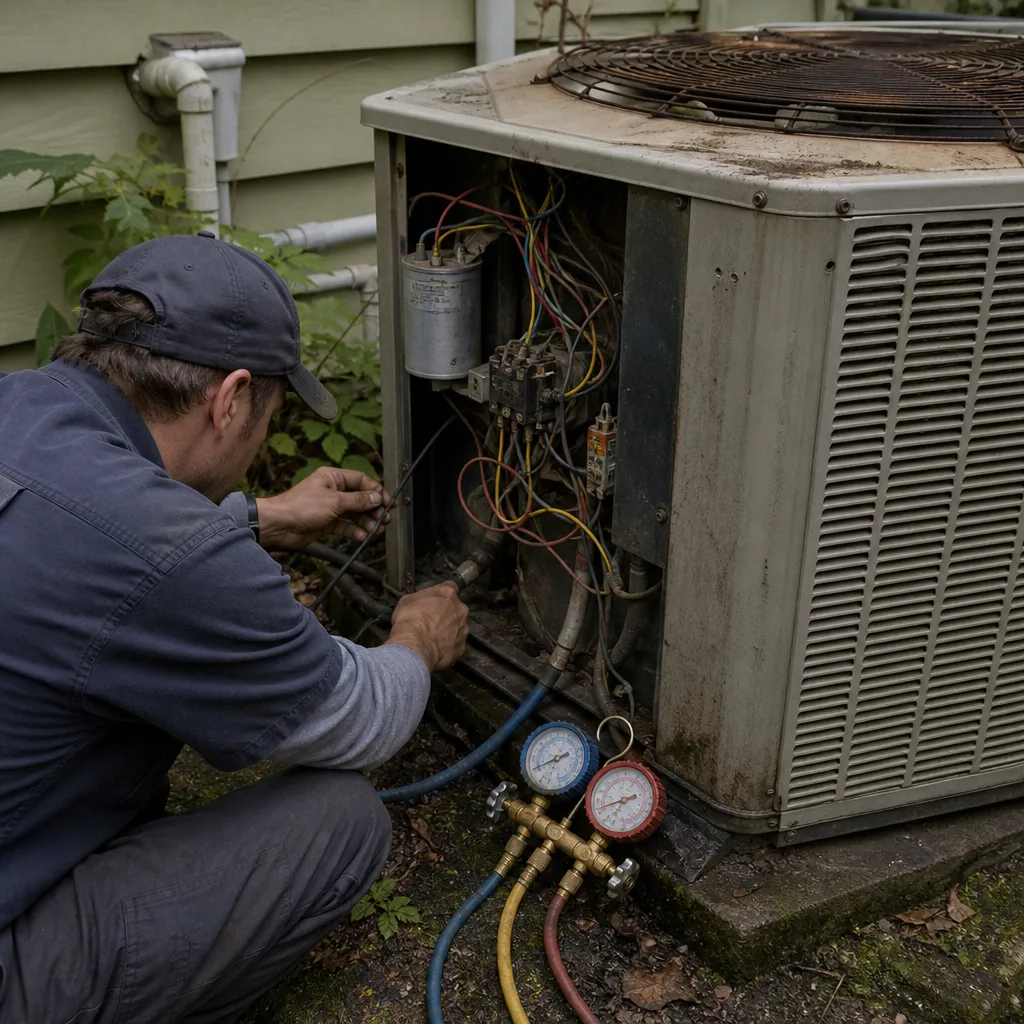 Before
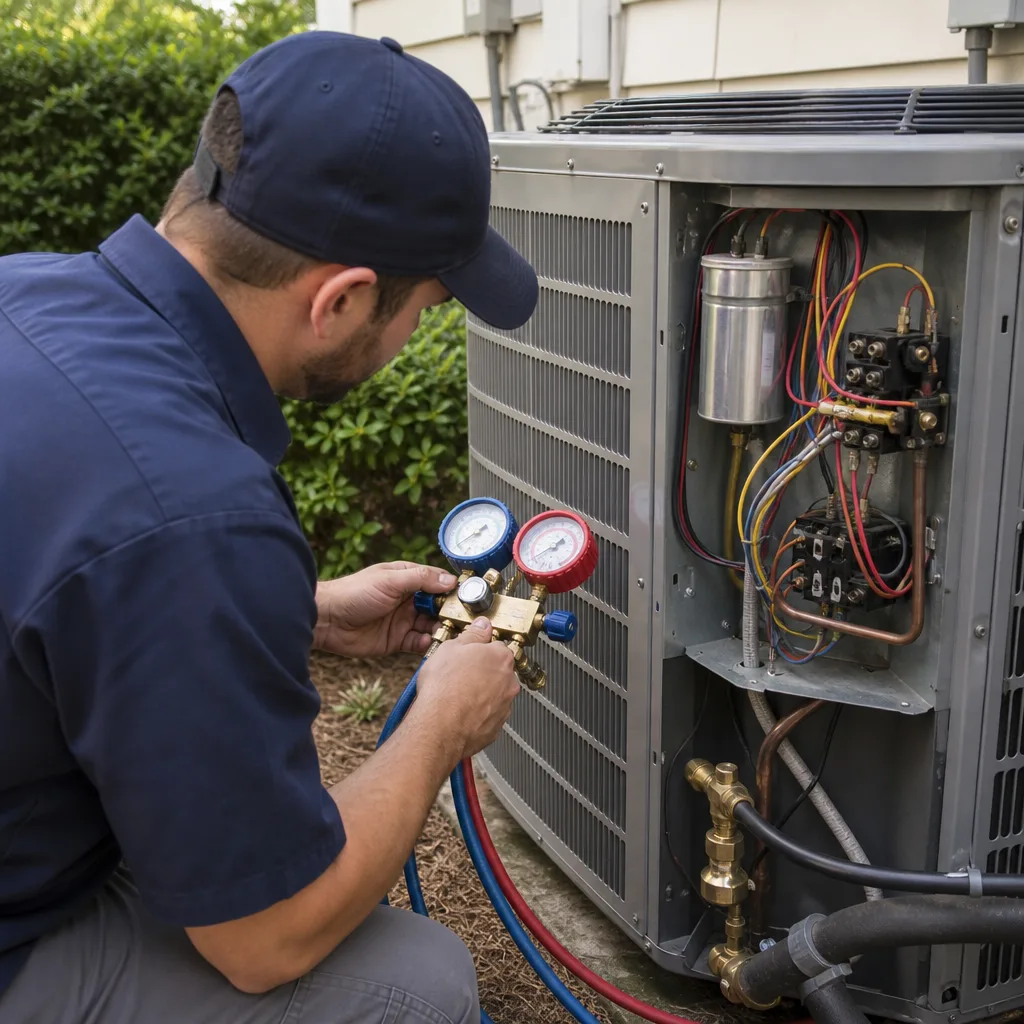 After
After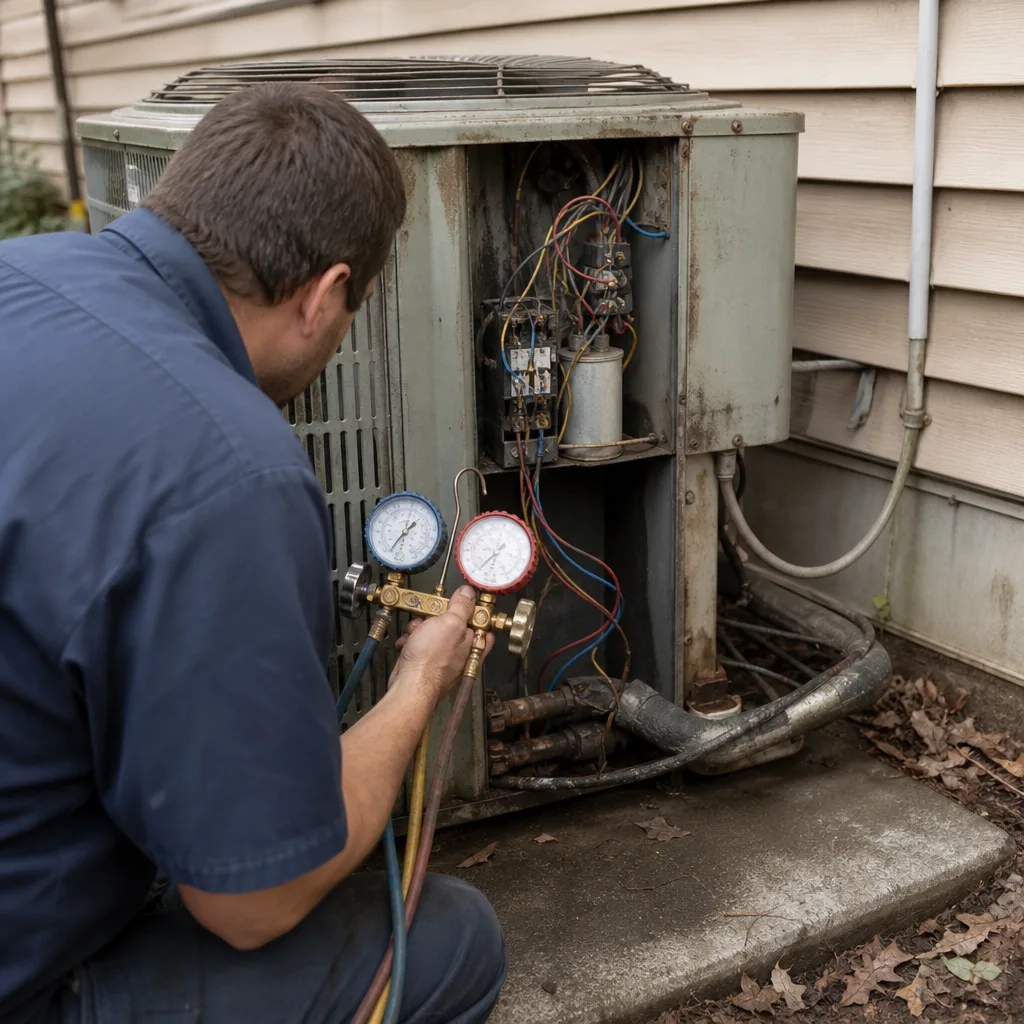 Before
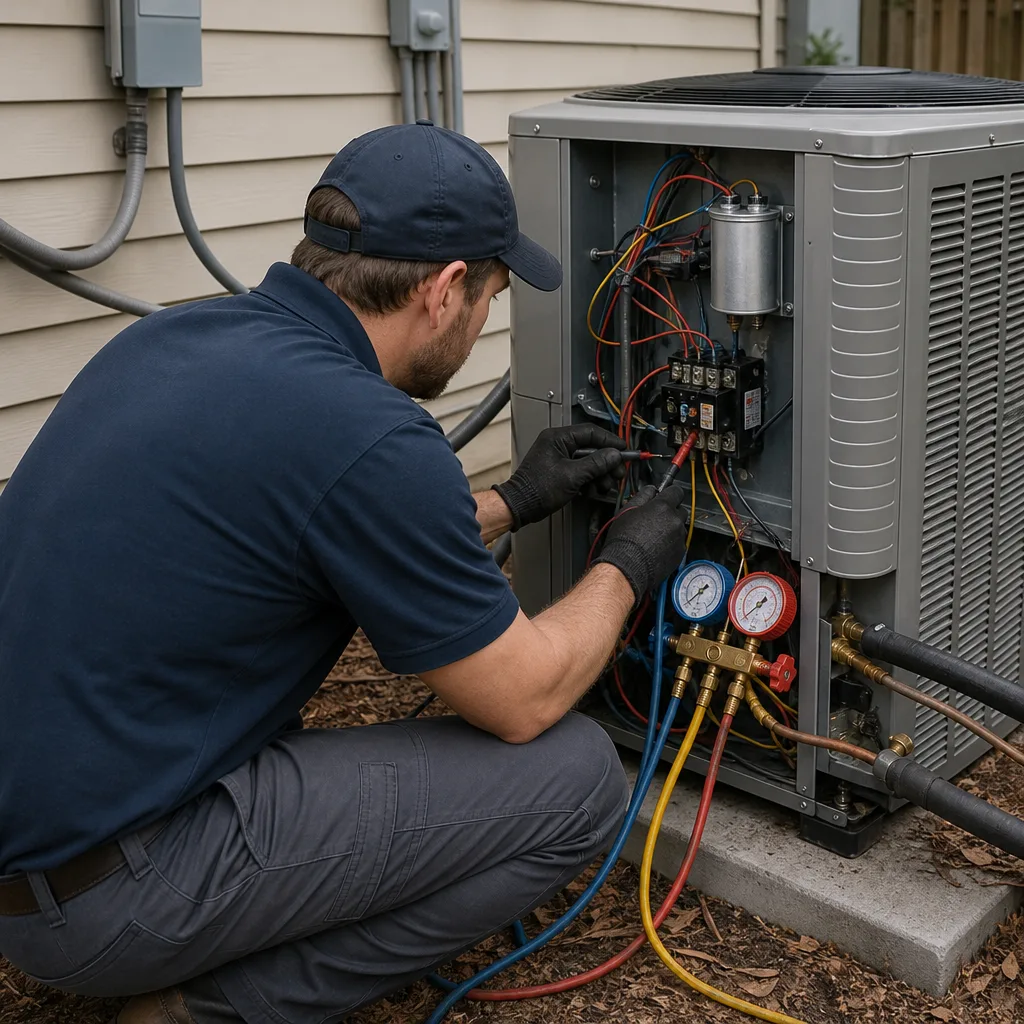 After
AfterReplacement Cost & What’s Included
Here are the cost ranges we quote across Atlanta, from Grant Park ranches to Milton two-stories:
- Sealing a leaking joint or small tear: $250 – $400
- Replacing a single branch run (6″ – 8″ flex, up to 25 feet): $300 – $500
- Replacing a supply or return plenum: $450 – $800
- Replacing a trunk line section with new insulation wrap: $500 – $800 per 10-foot section
- Full duct assessment with airflow testing: included with any repair we do
Every quote includes the materials, labor, mastic sealing, and a written price before we start. No “found something else once we got in there” surprises. If the visual inspection shows more than the quote covers, we stop, show you photos, and write a new price. The repair carries our written guarantee. If it fails within the coverage window, we come back at no charge. That’s automatic, not something you have to negotiate.
DIY or Call Us?
You can safely check a few things yourself: look for visible gaps where flex connects to the register boot, feel for air escaping around the plenum in the attic or crawlspace, and check if any flex is crushed by boxes or fallen insulation. That tells you where the problem is, not what the fix costs. What you shouldn’t do is open a duct system and start resealing with hardware store tape. That silver tape you’ve seen on ducts? It dries out and fails within two years in Georgia heat, and a partial seal job means you still have the leak but now you’ve also added a material mismatch to the repair.
For anything involving a gas furnace connection, the flue, or ductwork near an open flame, leave that to a licensed tech. Same goes for work in a tight crawlspace with live electrical. If in doubt, call (912) 616-5481 and we’ll give you a straight answer about whether it’s worth a service call before anyone gets in the truck.
FAQs
Flex duct typically lasts 15 – 20 years in Atlanta’s heat and humidity before the outer jacket degrades, the inner liner tears, or the insulation gets waterlogged. Metal trunk lines can last 40 years if the connections stay sealed and the attic doesn’t get rained on through a failed roof vent. If your home is past the 15-year mark and you’re chasing repeated repairs, replacement becomes the smarter money.
Small tears, loose connections, and disconnected branch runs can usually be repaired with mastic, new collars, and the right match in insulation R-value. If the duct has collapsed internally, is full of mold, or the inner liner has delaminated, repair is a band-aid and replacement is the only honest answer. We’ll tell you which one you’re looking at before any work starts.
Most single-branch repairs and joint seals take 60 – 90 minutes once we’re on site. A plenum replacement or trunk line section runs 2 – 3 hours. If you book online, you’ll get a live arrival time and can track the tech to your door, so you’re not burning a vacation day on a vague window.
Yes. Our trucks carry standard flex duct in 6-, 7-, and 8-inch diameters, metal collars, mastic, foil-backed insulation wrap, and the hand tools for plenum work. We also stock parts for other major brands including Carrier, Trane, and Lennox, so we’re not making a supply-house run mid-repair unless you’ve got an unusual custom plenum. If we need a special-order piece, we’ll tell you before you approve the work.
Book online, get a live arrival time, and track your tech to the door. Or call (912) 616-5481 for a free estimate. We write it down before we touch anything, that’s not a policy, that’s just respect.
Written by Andre Fuller, Owner, Halden Heating and Air Atlanta at Halden Heating and Air Atlanta, serving Atlanta and nearby areas.