
 AC repair
 Furnace & heating
 Ductless mini splits
 Carrier
 Trane
Trane Goodman
Seasonal tune-up and full diagnostic on your Carrier, Trane, or Goodman system - readings shown to you before any repair is proposed
Diagnosis first, numbers second - you approve the repair price before a single part goes in.
Get your free estimateCarrier Ductwork Repair: The Atlanta Owner’s Guide
Carrier ductwork repair in Atlanta typically runs between $250 and $1,400 installed, depending on how much duct has failed and whether we’re sealing joints, replacing a collapsed section, or rebuilding a trunk line. We stock Carrier-compatible duct materials and fittings on our trucks, so most repairs are completed same-day. The usual story we hear: a homeowner notices one room that never cools, a dusty smell that won’t quit, or a utility bill that climbed 30 percent over last summer with no obvious reason. That’s failing ductwork announcing itself.
Here’s what matters if you own a Carrier system in Atlanta: your air handler and condenser can be running perfectly while your ducts quietly waste 20 to 30 percent of the air you paid to condition. The equipment says Carrier. The problem is usually in the sheet metal and flex runs behind the walls. We fix the ducts so your Carrier unit actually delivers what it’s rated to deliver. Andre Fuller has rebuilt duct systems in everything from 1920s Craftsman bungalows in Candler Park to 1990s track homes in Sandy Springs, and the failure patterns are consistent: age, humidity, and shortcuts taken during the original install.
Key takeaways:
- Most Atlanta ductwork repairs cost $250 – $1,400 installed, with written pricing before we start
- Same-day repair is available for most failures; we carry Carrier-compatible materials on the truck
- Duct leakage costs you real money every month in wasted energy, even when your Carrier unit runs fine
- Every repair includes our 365-Day Done Right Promise and a free second visit if it fails
Which Carrier Models This Applies To
The ductwork itself isn’t model-specific the way a control board or blower motor is. Ducts are sized to the system’s airflow requirements, measured in cubic feet per minute (CFM). What matters for Carrier compatibility is matching duct dimensions to your unit’s CFM rating, not the model number on the data plate. A Carrier Infinity 26 air handler pushing 1,200 CFM needs different duct sizing than a Comfort 13 running 800 CFM. That’s where we see the real compatibility failures: ducts sized for one system, then a new Carrier unit installed with different CFM requirements, and nobody resized the runs.
What to check before you call: your Carrier air handler has a data plate on the front or side with the model number (starts with FV4, FB4, FE4, or similar depending on series), serial number, and rated CFM. That CFM number tells us what the ductwork should be moving. If you have rigid metal ducts, the original installer usually stamped sizes on the side. Flex ducts have printed labeling every few feet with R-value and diameter. The OEM-vs-aftermarket question for duct repairs is simpler than for electrical parts: ducts are commodity materials (sheet metal, flex, mastic, tape) that we source from commercial HVAC supply houses in Atlanta. There’s no meaningful “Carrier-branded duct” to buy; what matters is correct sizing, proper sealing, and code-compliant installation.
Styles & brands we work with
Signs Your Carrier Ductwork Repair Is Failing
- One room is always 8 – 10 degrees off from the rest of the house. A collapsed flex run or a disconnected boot at the floor register is starving that room of airflow. The Carrier system is producing conditioned air; it just isn’t arriving.
- Dust appears on surfaces within days of cleaning, not weeks. Return-side leaks pull unfiltered attic air into the system. Atlanta attics are dust factories in summer, and a return leak bypasses your filter entirely.
- Your summer electric bill spiked with no change in thermostat settings. Leaking supply ducts push conditioned air into the attic, and your Carrier condenser works harder to compensate. We regularly find 25 – 30 percent leakage in systems we’re called out to inspect.
- You hear a thumping or flapping sound from a closet or hallway ceiling when the system cycles on. That’s typically a flex duct that has come unstrapped and is moving with the airflow, or a damper that’s worked loose. It gets worse over time as the connection loosens further.
- Rooms smell musty or have elevated humidity even when the AC runs. A supply leak in a humid Atlanta crawl space pulls moist air into the duct path, which then condenses inside the system. That moisture is also what rots aging duct insulation from the inside.
See the difference
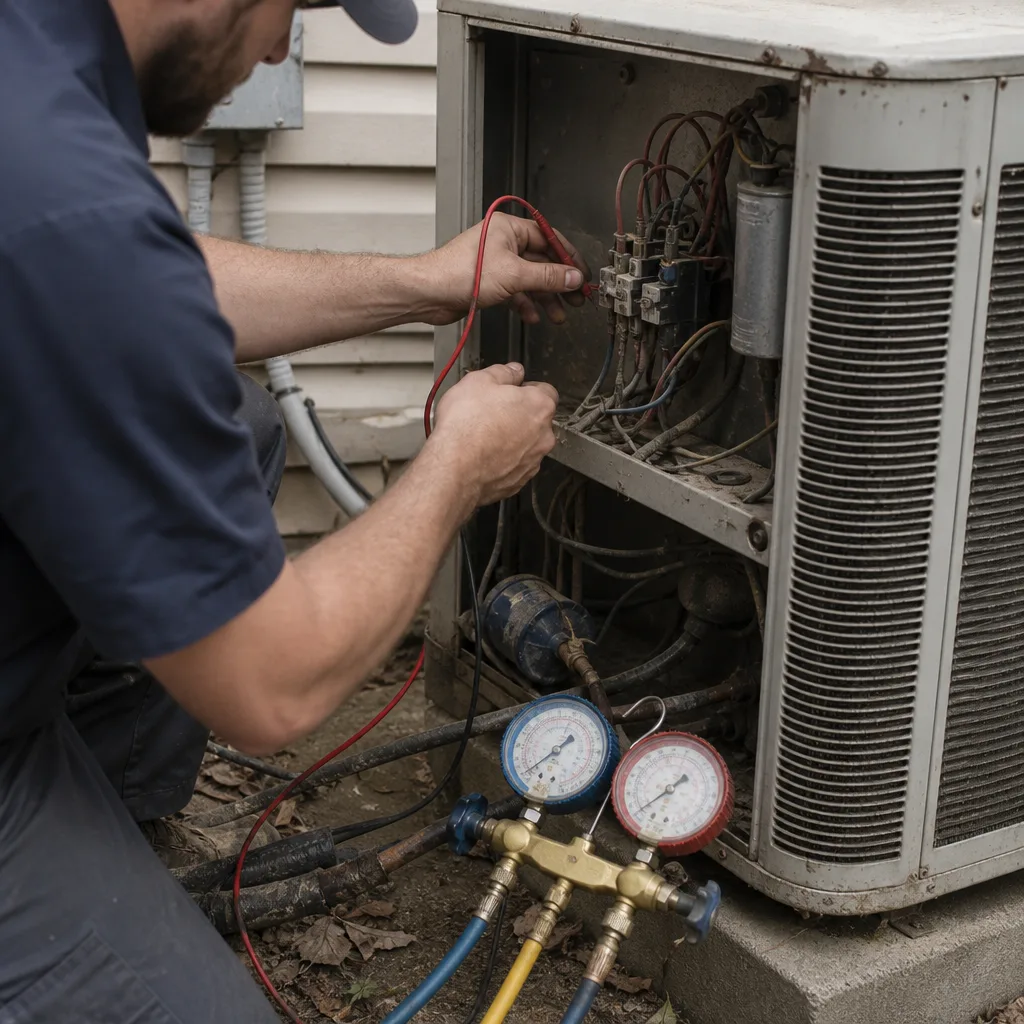 Before
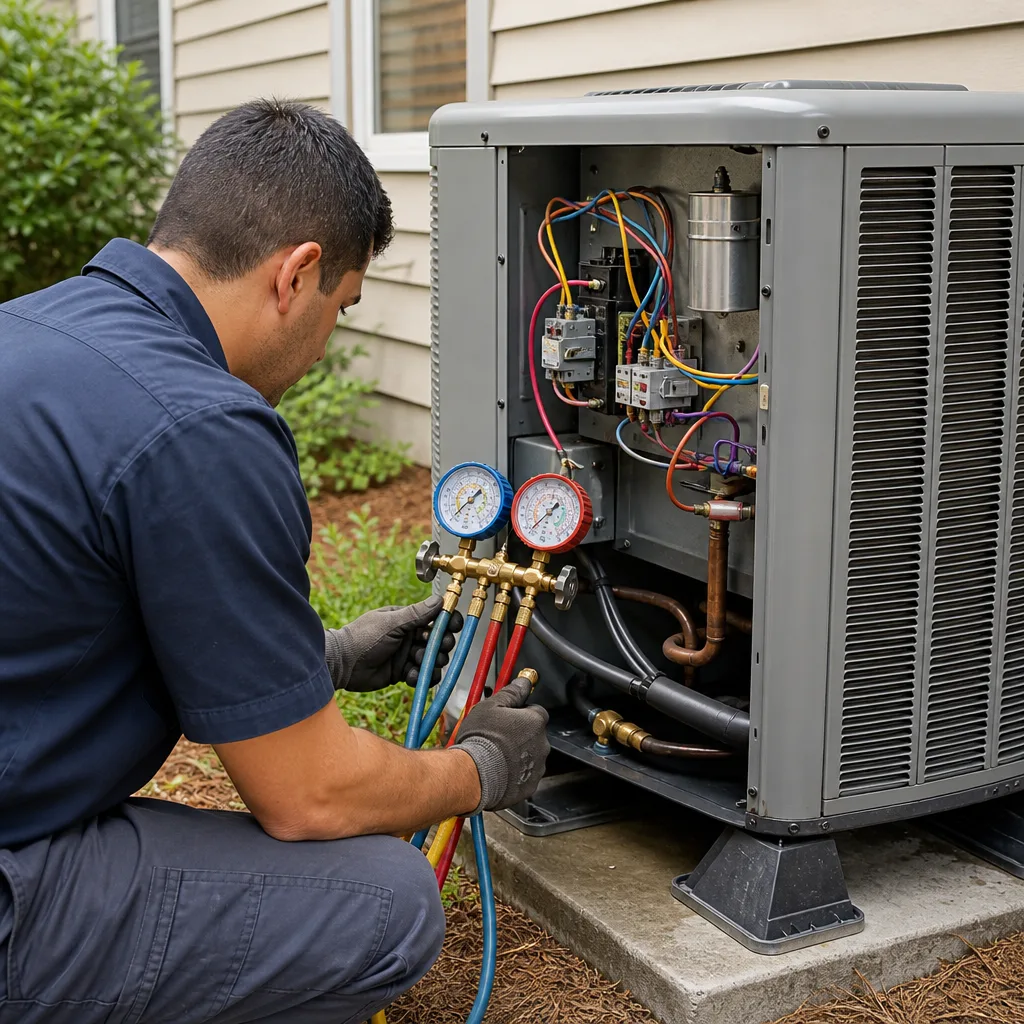 After
After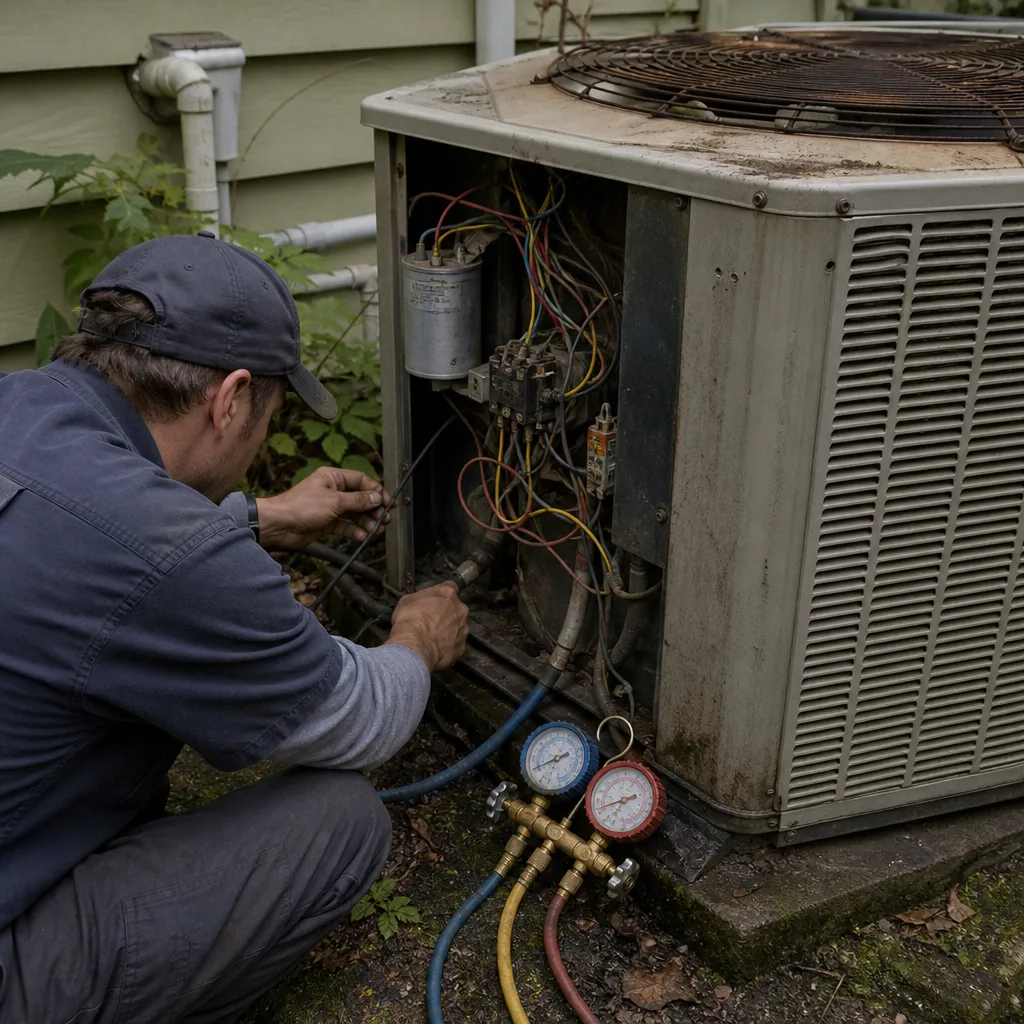 Before
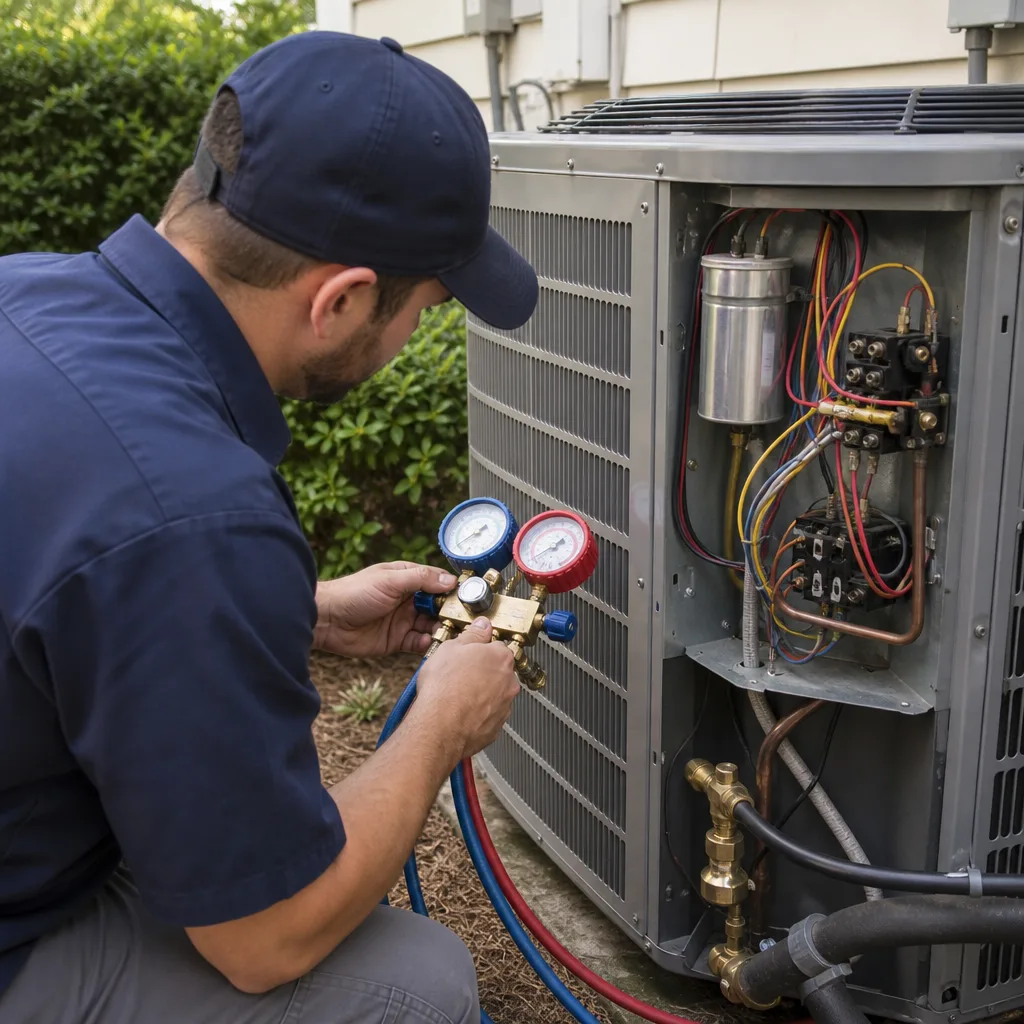 After
After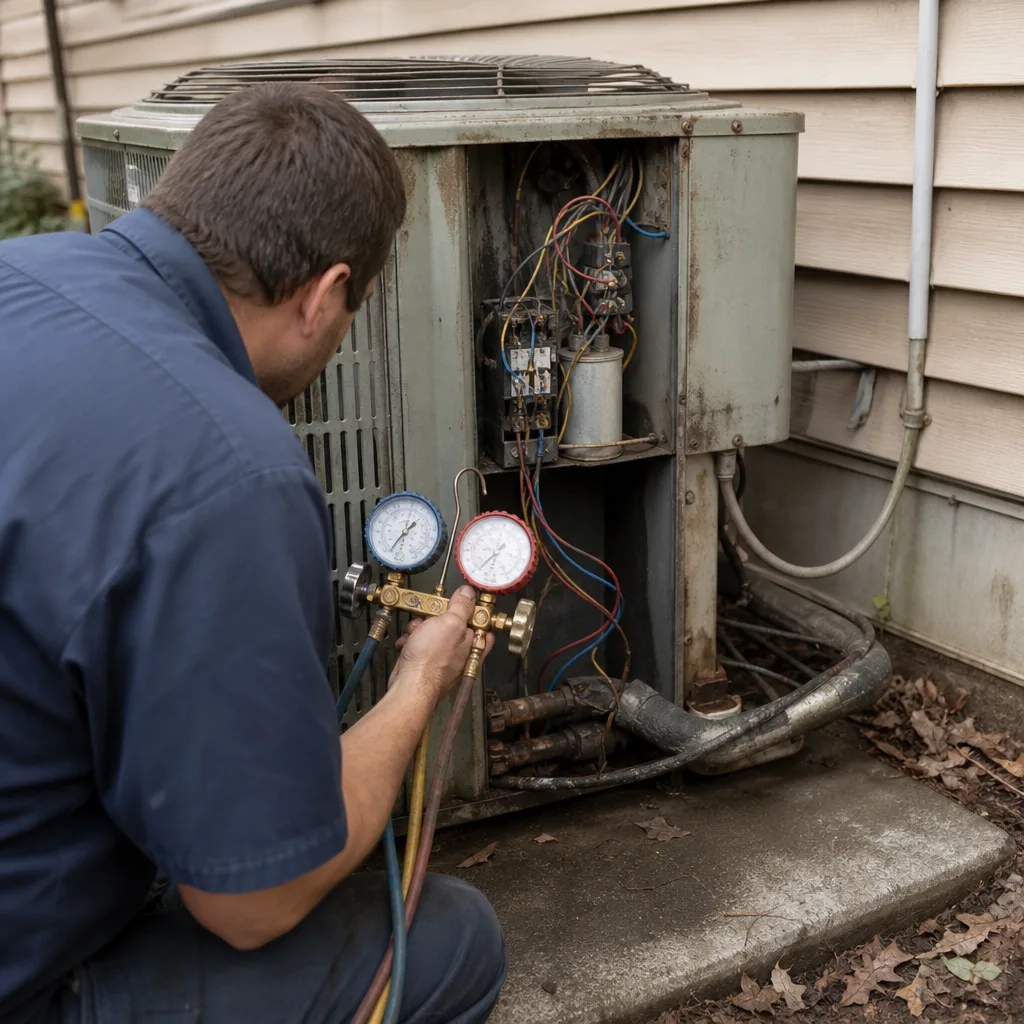 Before
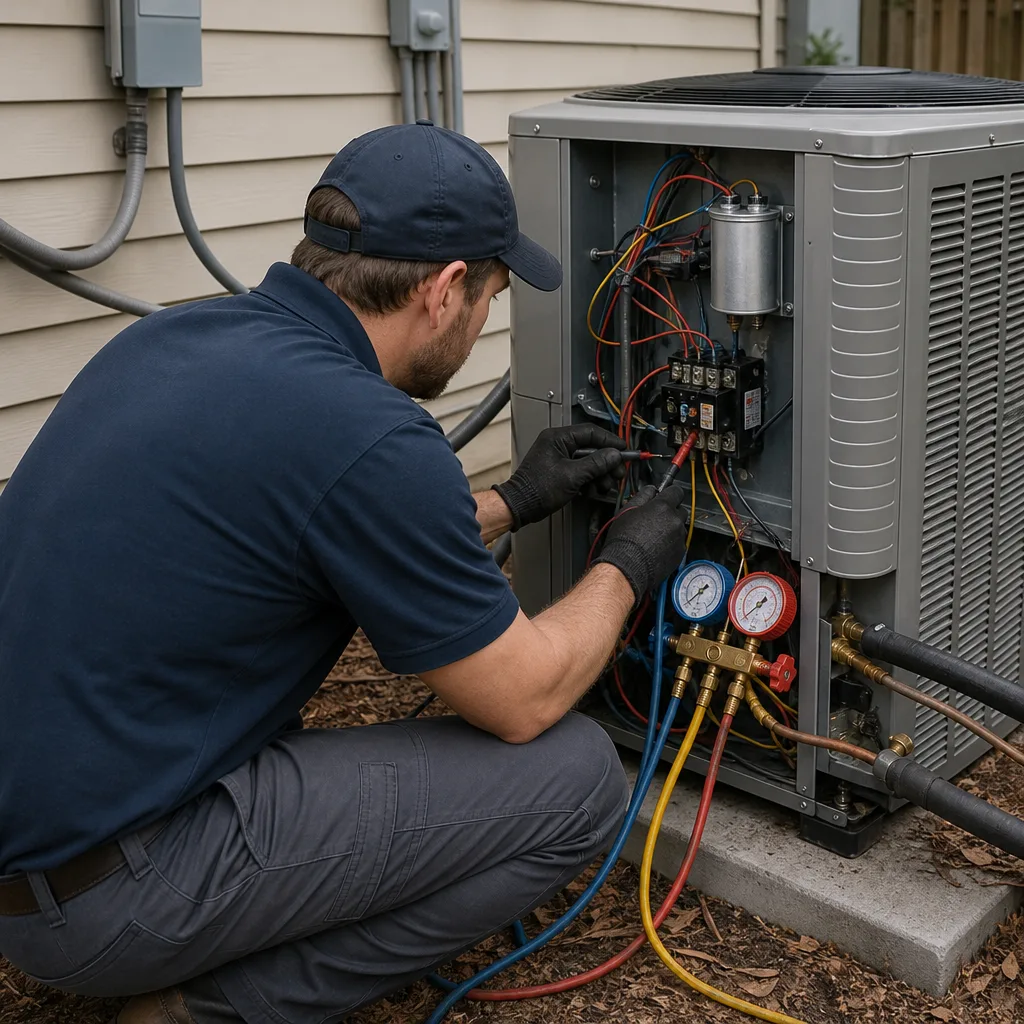 After
AfterReplacement Cost & What’s Included
In Atlanta, most Carrier ductwork repairs land between $250 and $1,400 installed, with the range driven by access, material, and scope. Here’s a realistic breakdown of what we charge for common jobs:
- Seal and mastic a leaking joint or plenum connection: $250 – $450
- Replace a disconnected or collapsed flex run (up to 25 feet): $350 – $700
- Rebuild a supply or return plenum: $500 – $900
- Replace multiple failed runs and re-strap the full duct system: $900 – $1,400+
Every quote includes the parts, labor, mastic sealing, new strapping where code calls for it, and a written price before any work starts. The full-system rebuilds depend on how much duct is accessible and the type of material we’re matching. What you never get: a surprise upcharge after the work is done. Andre’s habit of writing quotes by hand before opening a tool bag is how we run every job. The 365-Day Done Right Promise covers every duct repair we make, and if a repair fails, the return visit is free. We write it down before we touch anything – that’s not a policy, that’s just respect.
DIY or Call Us?
Ductwork is one of the few HVAC tasks where a careful homeowner can do some legitimate diagnostic work, but the repair itself is where things go wrong. You can safely check visible flex runs in the attic for disconnections, pinch points, or tears. You can also feel around register boots for air escaping where the boot meets the drywall. What you should not do: crawl into a tight attic space in July, attempt to re-tape a joint with hardware store duct tape (it fails within a year in Georgia heat), or try to rebuild a plenum yourself. We’ve repaired enough DIY duct jobs in Atlanta to know the pattern: the tape fails, the leak returns, and the energy waste never stopped.
If you find something, call (912) 616-5481 before you touch it. We’ll send a technician with the right materials on the truck, a written price before work starts, and a live arrival time you can track to your door. A duct repair done correctly in one visit costs less than a DIY fix done twice.
FAQs
Properly installed metal ductwork can last 40+ years in Atlanta, while flex ducts realistically last 15 – 20 years before the insulation degrades and connections weaken due to our high attic temperatures and humidity. Poorly installed flex can fail in under a decade.
Yes. We repair joints, seal leaks, and patch small tears when the remaining material is still sound. If the duct insulation has degraded or the inner liner has torn, replacement is usually cheaper in the long run and less likely to re-fail.
Most single-run replacements and sealing jobs take 1 – 3 hours. Full duct system rebuilds can take a day or more, depending on attic access and the number of runs being replaced. We confirm the timeline before we start, and the written quote covers the whole job.
Yes. Our techs carry common duct sizes, mastic, strapping, and fittings for most repair jobs. For unusual sizes or full system replacements, we source from Atlanta supply houses same-day. We also work on Trane and Lennox systems, but Carrier is the one we see most often in Atlanta homes.
Written by Andre Fuller, Owner, Halden Heating and Air Atlanta at Halden Heating and Air Atlanta, serving Atlanta and nearby areas.