
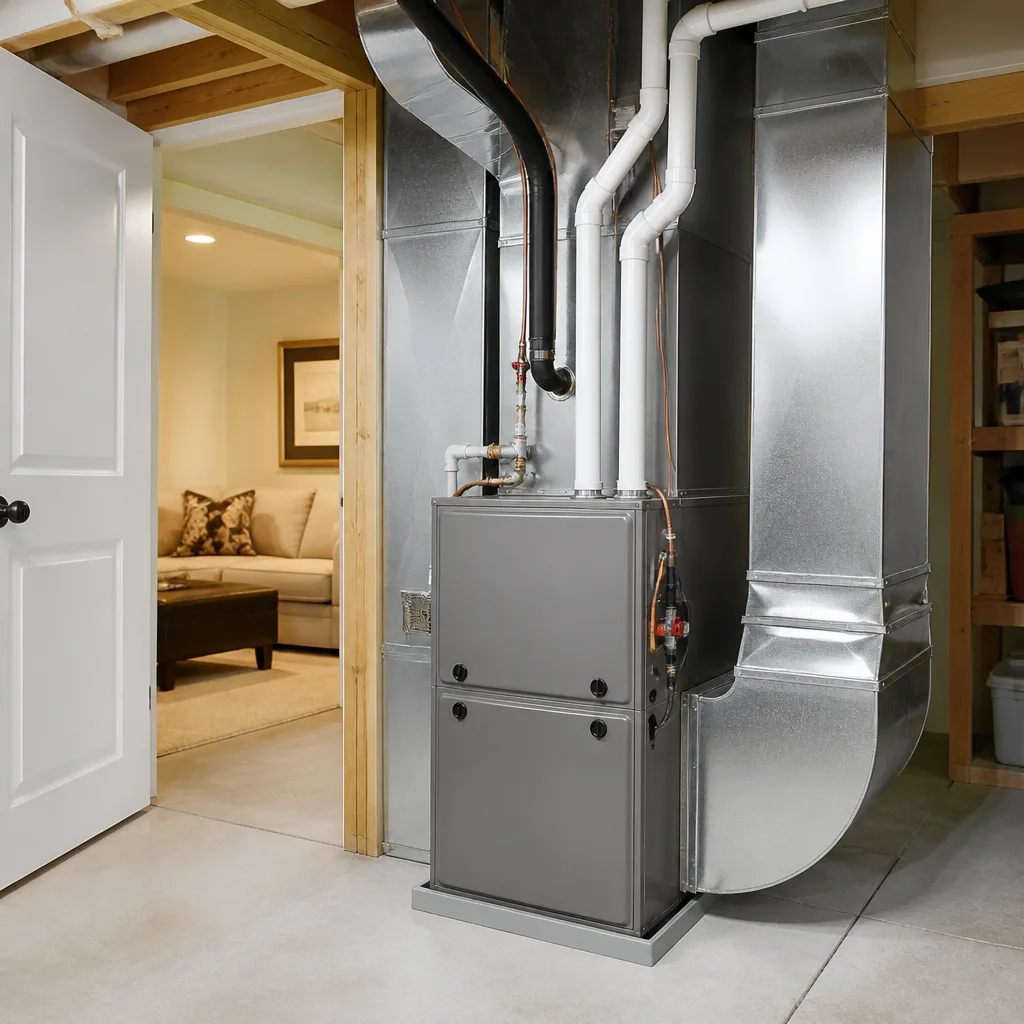
 Furnace & heating
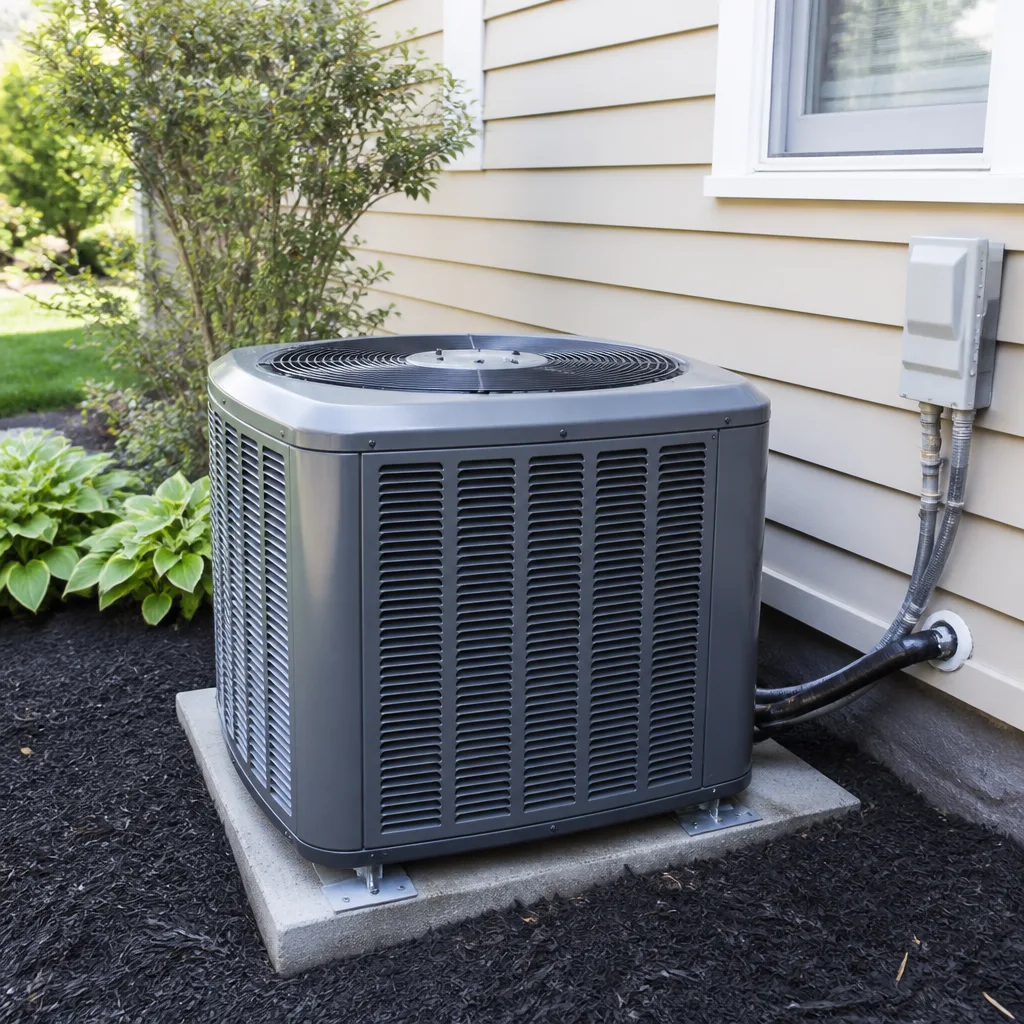 AC repair
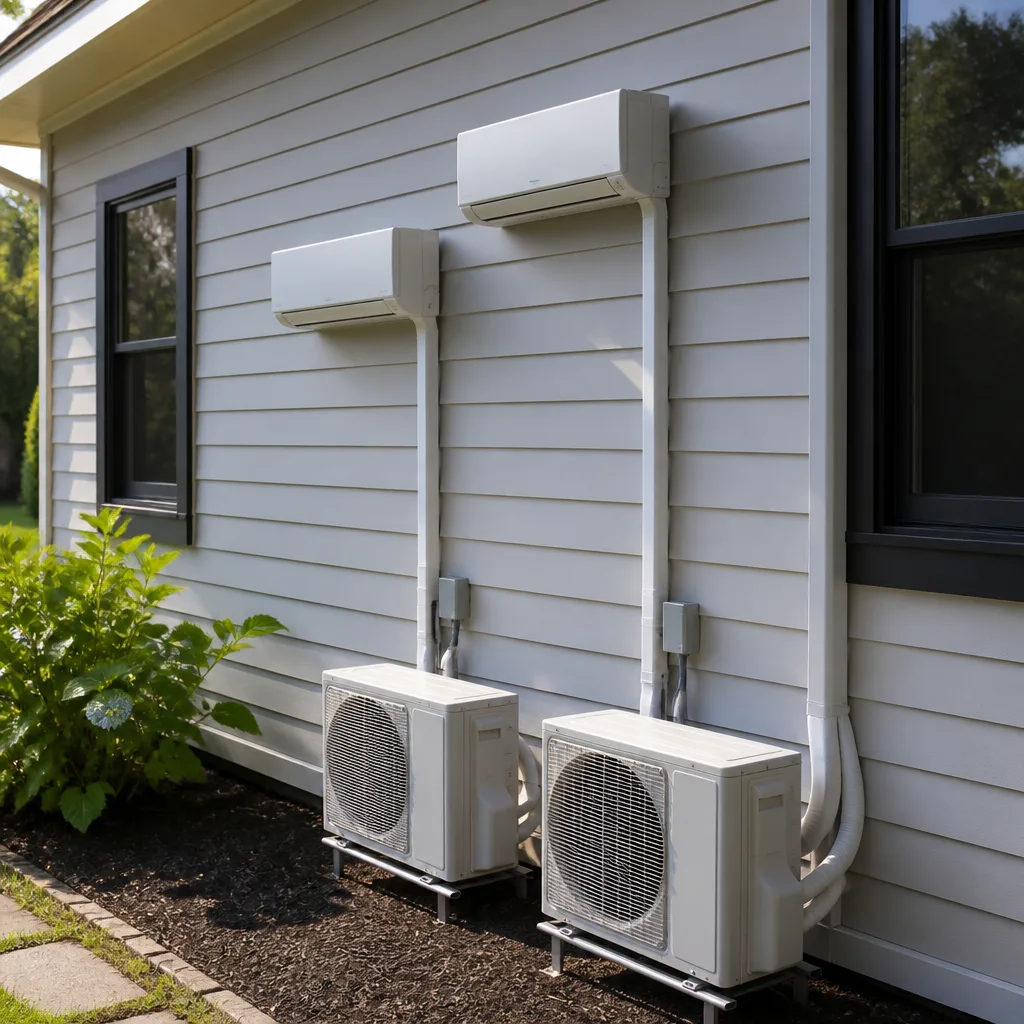 Ductless mini splits
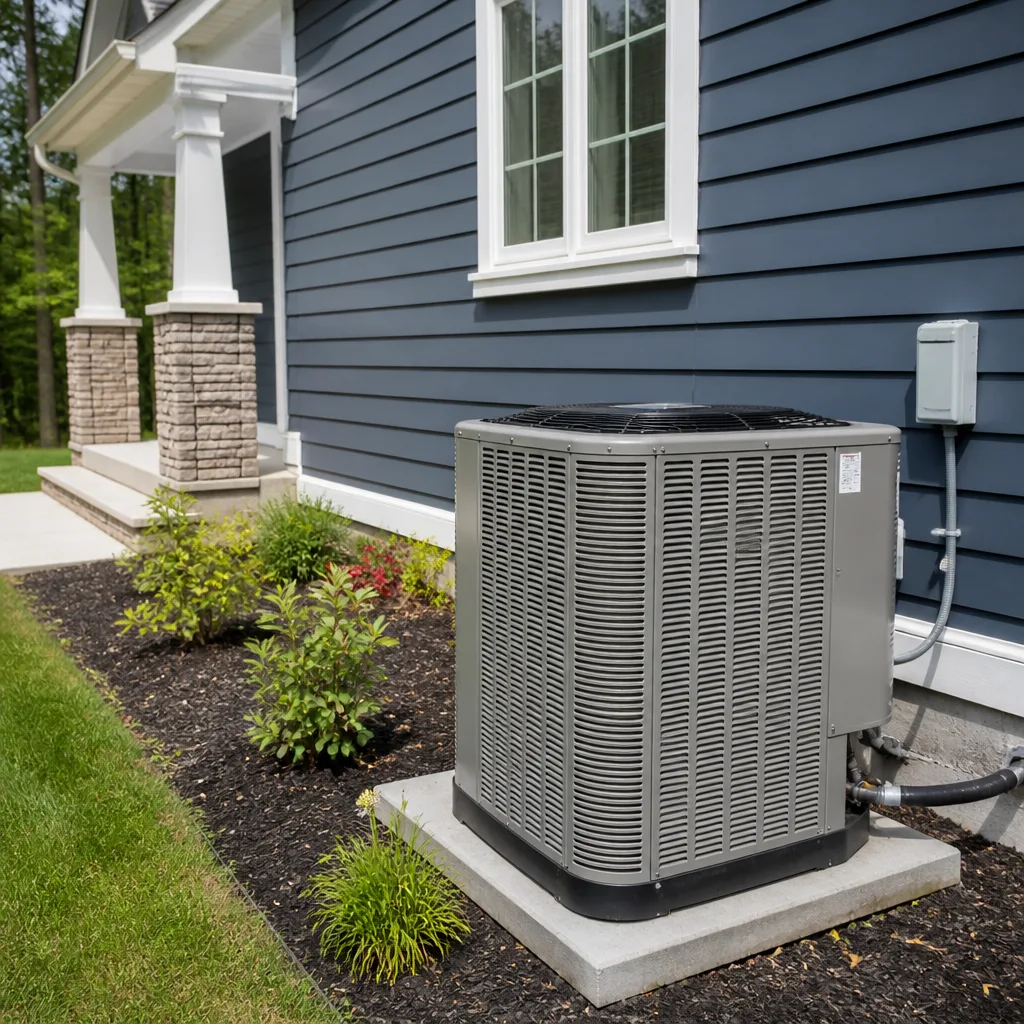 Carrier
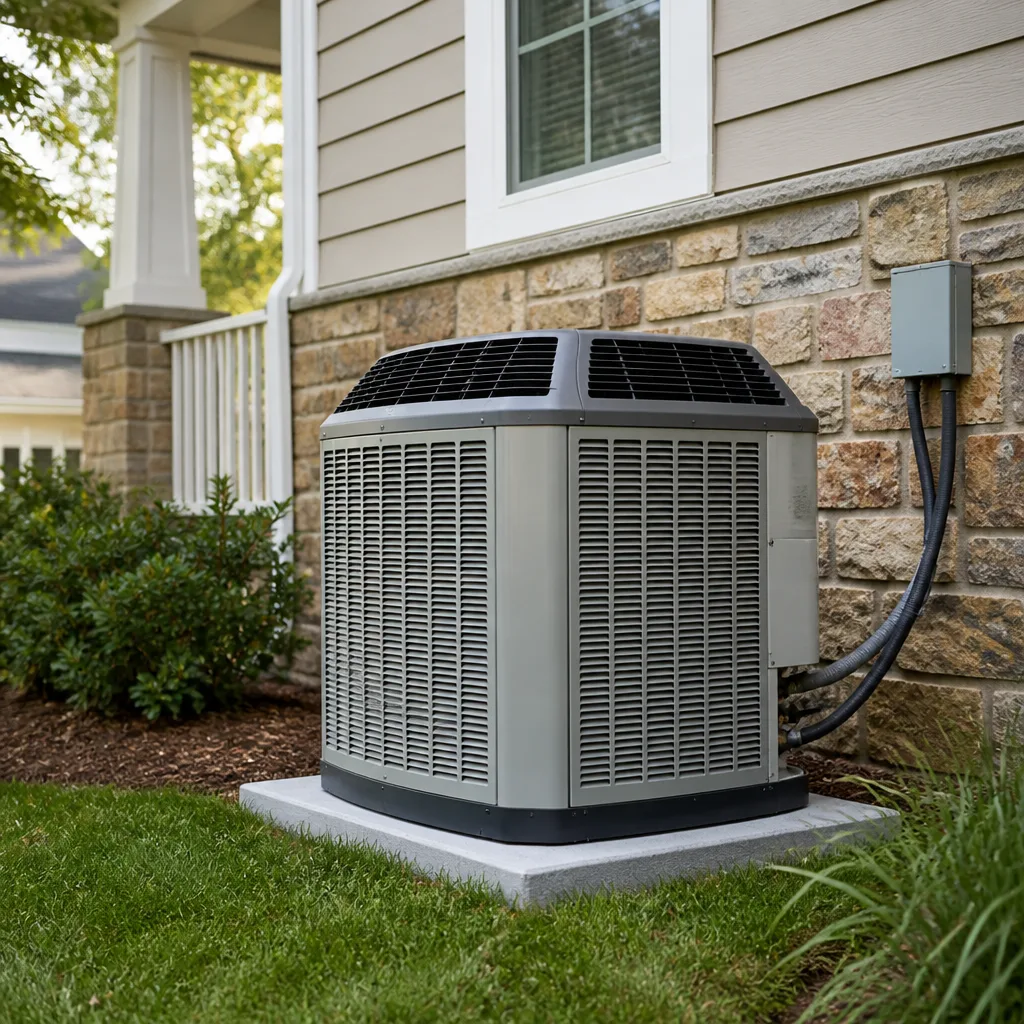 Trane
Trane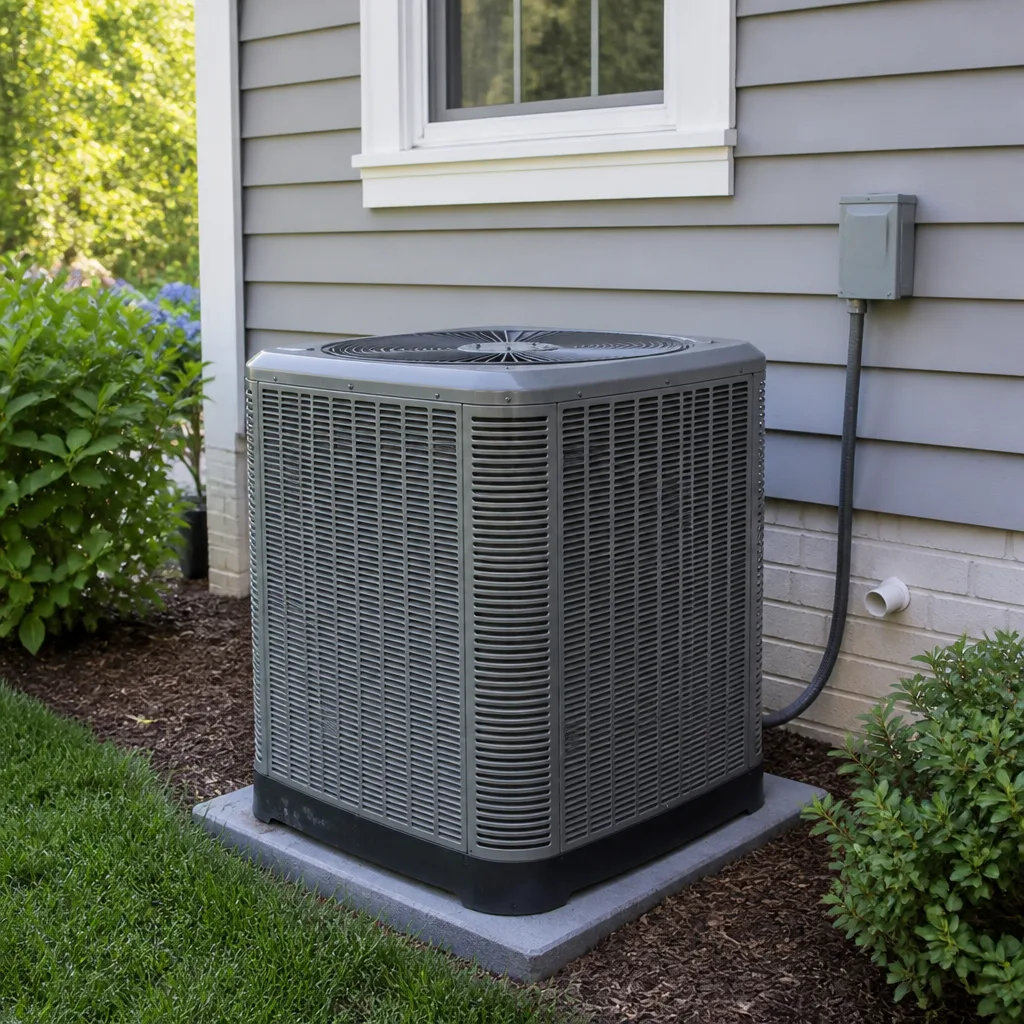 Goodman
Seasonal tune-up and full diagnostic on your Carrier, Trane, or Goodman system - readings shown to you before any repair is proposed
Diagnosis first, numbers second - you approve the repair price before a single part goes in.
Get your free estimateCarrier Mini-Split Installation: The Atlanta Owner’s Guide
Carrier mini-split installation in Atlanta typically runs between $3,500 and $7,500 for a complete single-zone system, with multi-zone setups landing higher depending on the number of indoor heads and line-set runs. Most installations are scheduled within 5 to 10 business days, not same-day, because a proper install requires a load calculation, equipment ordering, and a full day of careful work. If your Carrier mini-split is blowing warm air, icing up, or throwing an error code, the issue is often traced back to how the original installation was done: undersized line sets, improper flare connections, or a unit that was never commissioned (charged and tested) for Georgia’s humidity load.
We see this regularly across Atlanta, from Midtown condos to Decatur bungalows. A homeowner calls us because their Carrier unit worked fine for a year or two, then started struggling. Nine times out of ten, the problem isn’t the Carrier equipment itself. It’s the installation shortcuts someone took to get the job done fast. Andre Fuller has been fixing those shortcuts for nearly two decades, and the fix usually starts with a full system diagnosis, not just a part swap.
Key Takeaways
- Carrier mini-split installation in Atlanta costs $3,500-$7,500 for a single-zone system, fully installed.
- Most “failed” Carrier mini-splits are actually failed installations: bad flares, wrong line-set sizing, or skipped commissioning.
- We stock Carrier-compatible line sets, flare fittings, drain kits, and control wiring on our trucks for same-visit diagnosis.
- We’re an independent provider in Atlanta, not affiliated with Carrier, which means we tell you what your unit actually needs, not what a corporate playbook says.
- Every install gets a written price before work starts and a written guarantee after it’s done. That’s not an upgrade. That’s the standard.
Styles & brands we work with
Which Carrier Models This Applies To
Carrier splits its mini-split lineup into a few main series. The Performance series (38MHRC outdoor units paired with 40MHHC indoor heads) is the workhorse we see most in Atlanta homes, garages, and sunrooms. The Infinity series (38MGRQ) adds higher SEER ratings and better humidity control, which matters when Atlanta’s July air feels like soup. There’s also the Comfort series (38MARC), a budget-leaning option that still outperforms most off-brand units but has fewer parts commonalities across model years.
Here’s the compatibility gotcha most people don’t know: Carrier mini-split indoor and outdoor units are matched pairs by model number, and you can’t just swap a 12,000 BTU indoor head onto a 9,000 BTU outdoor unit because both are “Carrier.” The outdoor unit’s model plate lists exactly which indoor heads it’s rated for, along with the approved line-set diameter and maximum length. In Atlanta’s older homes, we regularly find line sets run through attics that hit 50 or 60 feet, which is past the factory max for most Carrier single-zone units. That extra length reduces capacity and shortens compressor life, and it’s something you won’t catch unless someone actually reads the spec sheet.
On the OEM versus aftermarket question: for Carrier mini-split installation work, we use OEM Carrier line sets, drain kits, and flare fittings whenever the budget allows. Carrier factory flares are machined to tighter tolerances than what you’ll find in a generic Amazon kit, and we’ve seen cheap aftermarket flares leak refrigerant within a season. That said, there are quality aftermarket options for things like condensate pumps and mounting brackets where OEM pricing doesn’t buy you meaningfully better performance. We’ll show you the difference in writing before you spend a dime.
Signs Your Carrier Mini-Split Installation Is Failing
- Unit blows air, but it’s not cold. This usually means refrigerant charge is low, which points to a slow leak at a flare connection or a line set that was kinked during the original pull. Atlanta’s heat and humidity make a low charge obvious fast.
- Ice forming on the indoor coil or along the line set. Ice almost always traces back to low refrigerant or restricted airflow from a clogged filter or a drain pan that’s not pitched correctly. Both are installation-related more often than equipment-related.
- Water dripping from the indoor head. In Atlanta, where humidity runs high from May through September, a mini-split can pull gallons of water out of the air each day. If the drain line wasn’t pitched or sized right, that water ends up on your wall or floor.
- Loud hissing or bubbling sounds from the outdoor unit. That’s refrigerant leaking or air in the line set, usually from a flare fitting that was over-torqued, under-torqued, or never properly sealed with a torque wrench.
- Error codes that clear and return. Carrier units flash codes for communication faults, high pressure, or sensor failures. When codes come and go, it often means a loose connection in the control wiring or a line-set issue causing intermittent compressor shutdowns.
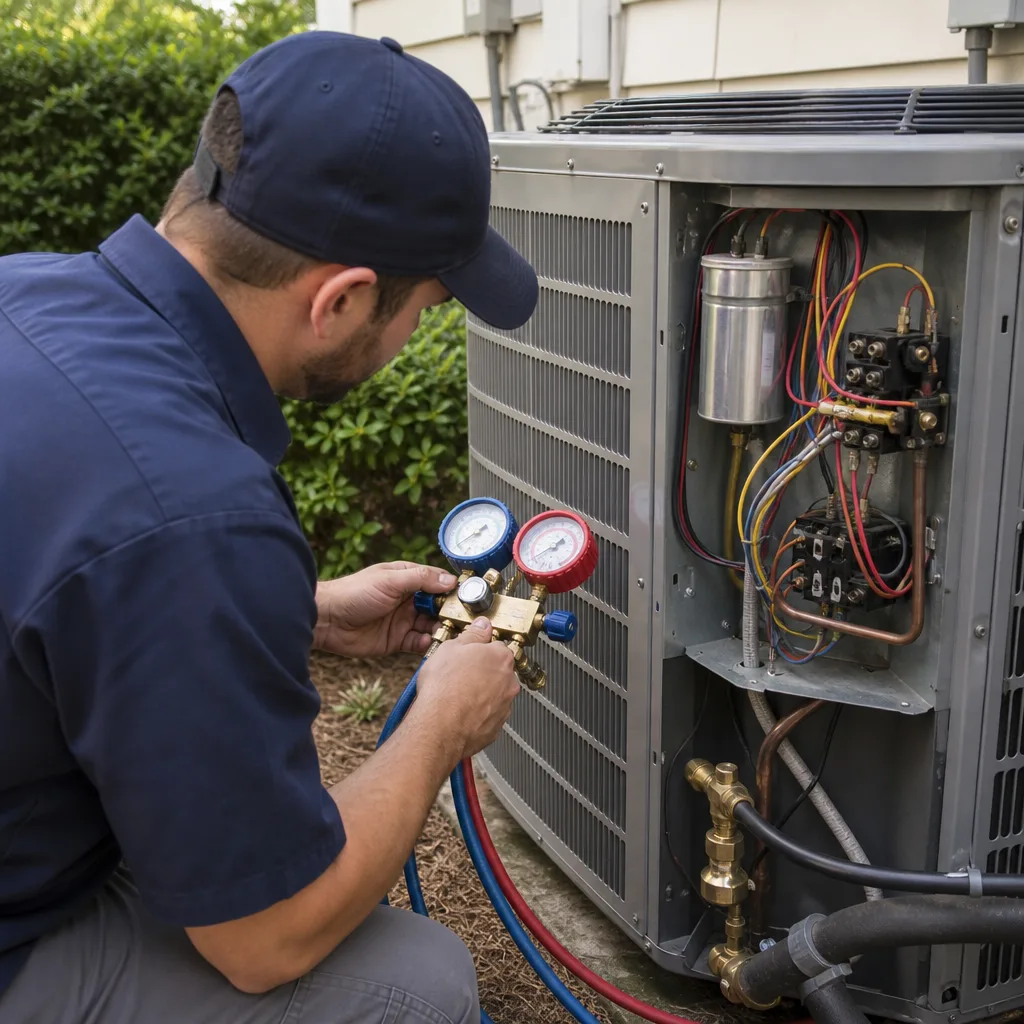
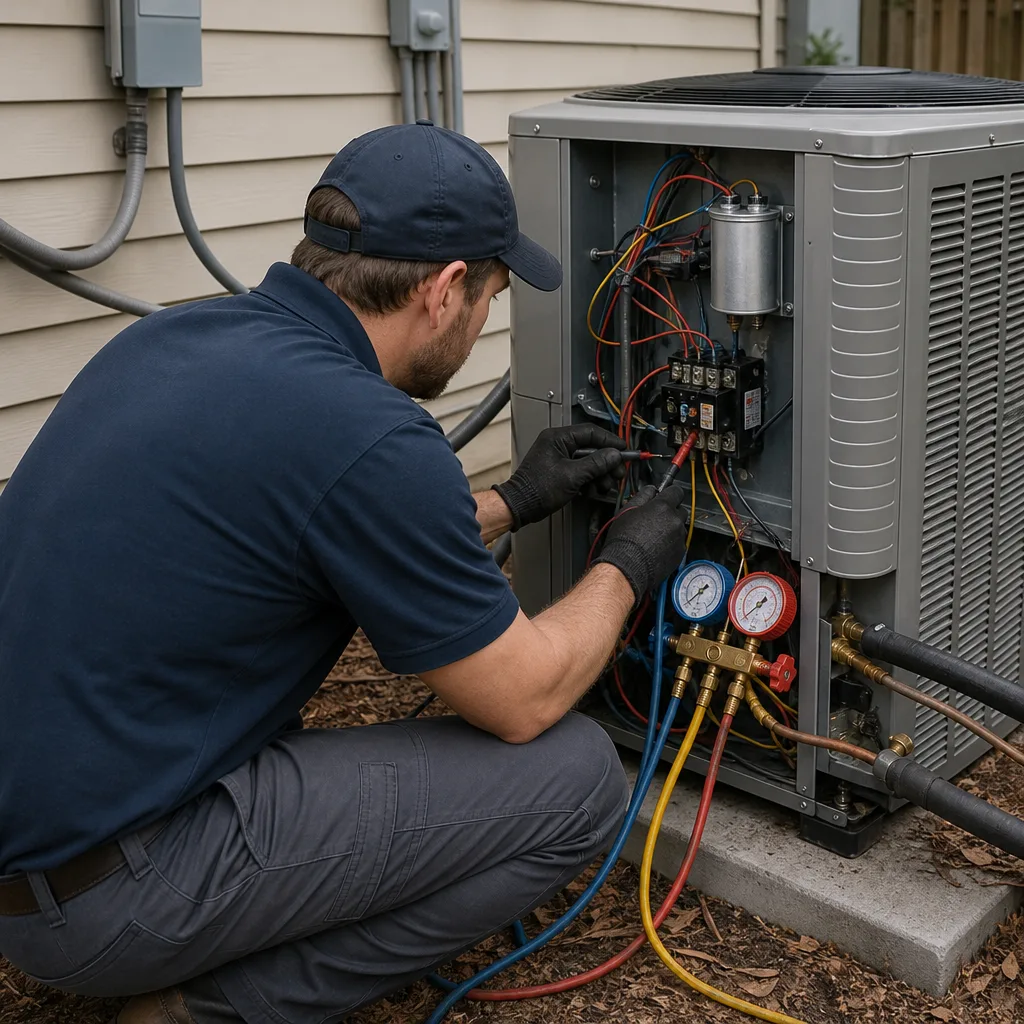
See the difference
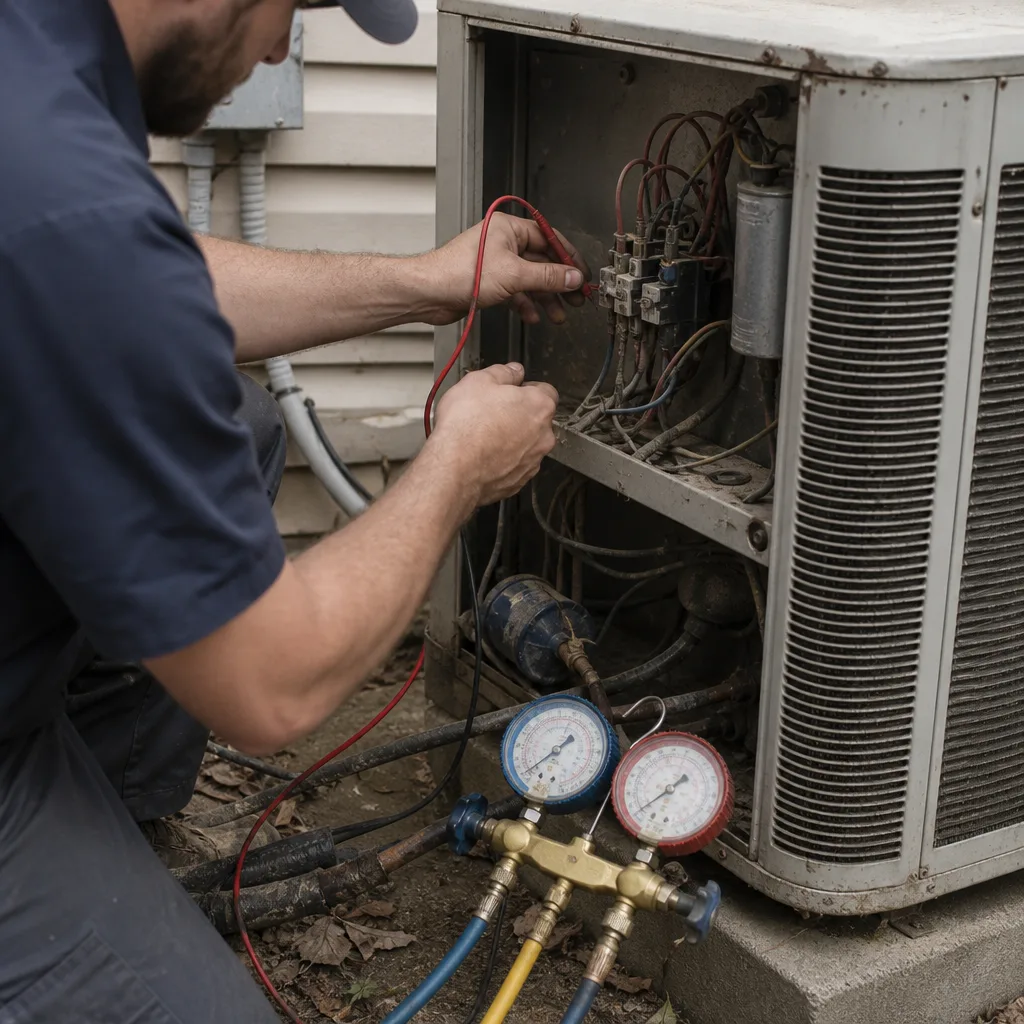 Before
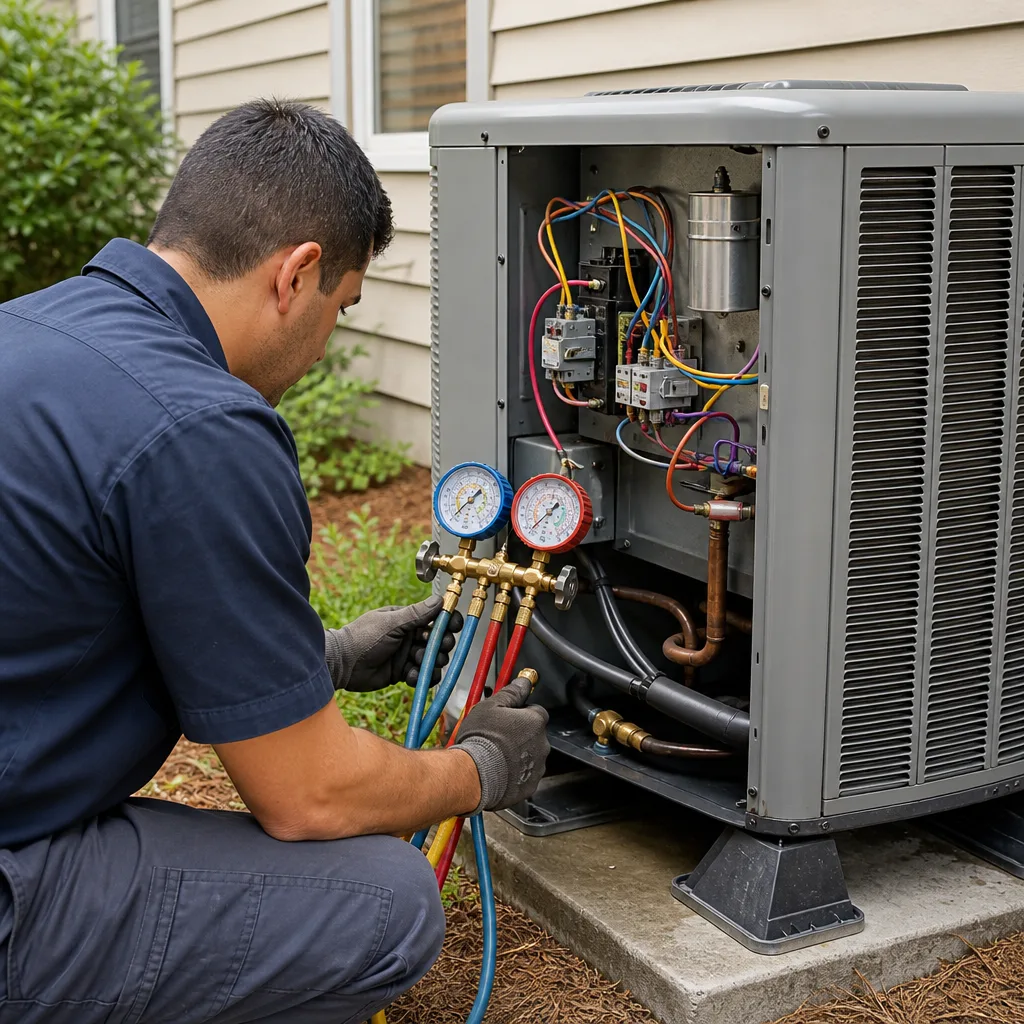 After
After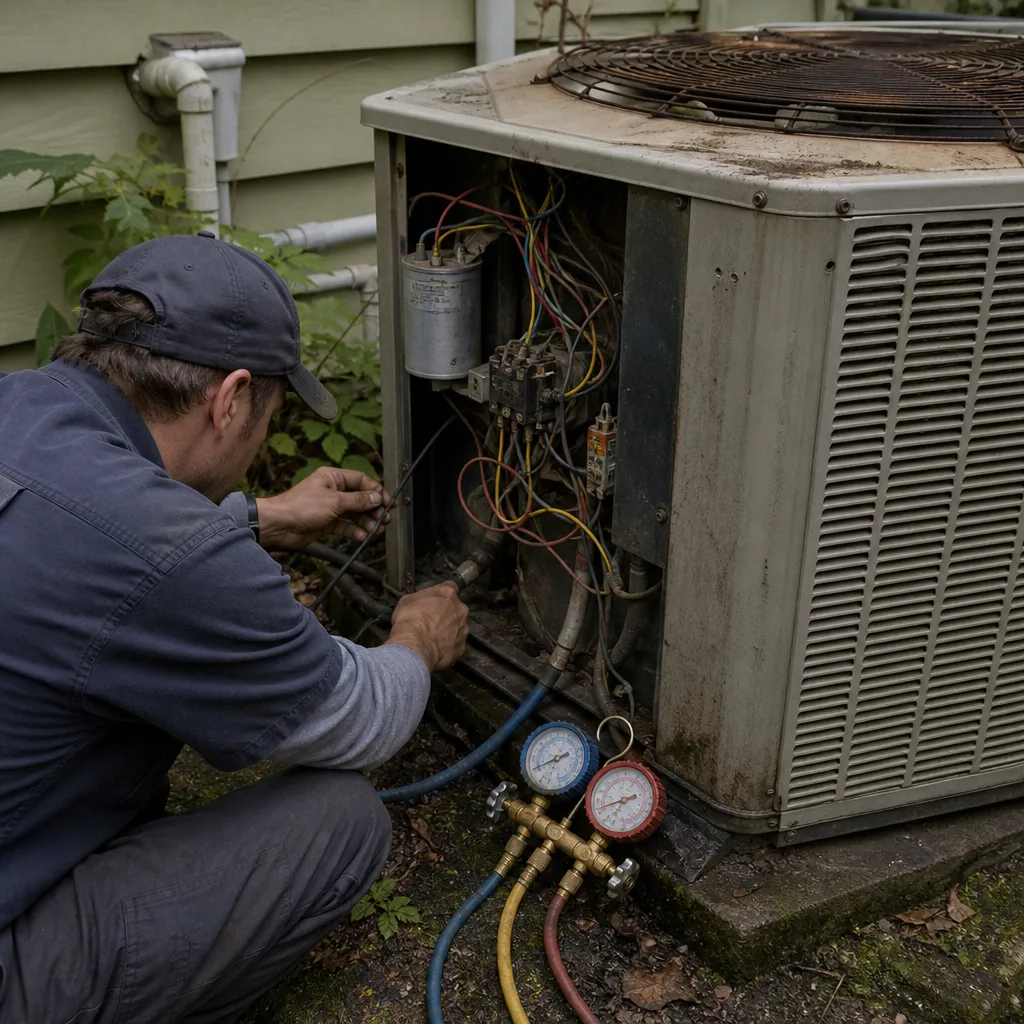 Before
 After
After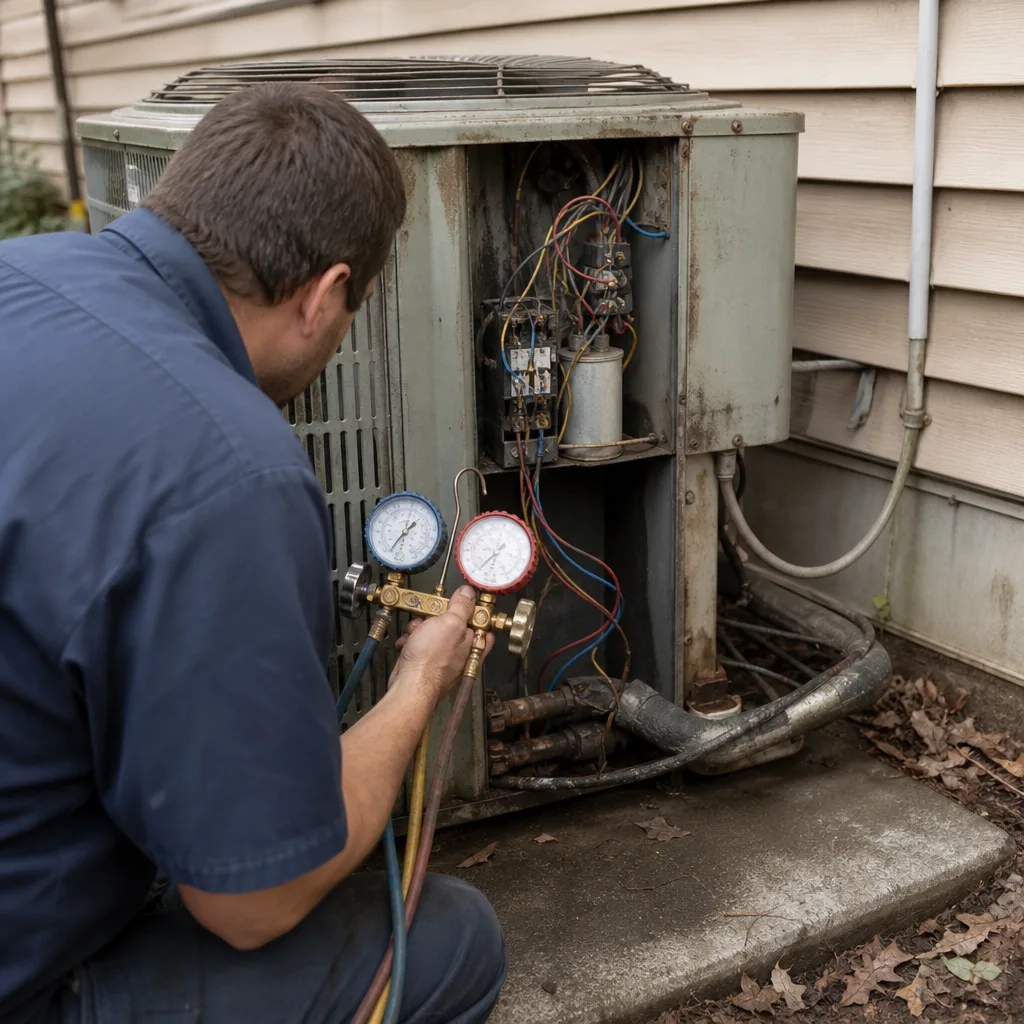 Before
 After
AfterReplacement Cost & What’s Included
Let’s talk real numbers for Atlanta. A full Carrier mini-split installation, including the outdoor unit, indoor head, line set, drain, electrical, and commissioning, runs $3,500 to $7,500 for a single-zone system. Multi-zone systems with two or three indoor heads can push higher, and ducted mini-split setups (where the indoor unit hides in a ceiling or closet) add labor because of the ductwork involved.
What drives the range? Three things mostly. First, the size of the unit: a 9,000 BTU Performance series for a bedroom costs less than an 18,000 BTU Infinity for a great room. Second, the line-set run: long runs through attics or crawlspaces add copper, labor, and sometimes a condensate pump. Third, the electrical work needed: if your panel has room for a dedicated circuit, that’s simple. If it doesn’t, you’re adding a subpanel or circuit consolidation, and that’s real money.
Every quote we write in Atlanta includes the equipment, line set, electrical, permits where required, and full commissioning. That last part matters: we charge the system to Carrier’s spec, verify subcooling, and run it through its modes before we leave. We write it down before we touch anything, that’s not a policy, that’s just respect. And the installation itself carries our 365-Day Done Right Promise: if something isn’t right, we come back and make it right. No argument, no charge.
DIY or Call Us?
Here’s the honest split. There are things you can safely check on your own, and there are things you absolutely should not touch. You can clean the washable filter on the indoor head, make sure the outdoor unit isn’t blocked by leaves or a condenser coil caked in Atlanta pollen, and verify the drain line isn’t kinked. Those are homeowner tasks, and we’ll happily walk you through them over the phone.
What you should not do is open the refrigerant circuit. Mini-split systems run on R-410A at pressures that can seriously hurt you, and a flare fitting that’s off by a few foot-pounds of torque will leak. Making that mistake means an ice-cold house in a Georgia heat wave, and a repair bill that could have been avoided. The same goes for electrical: a mini-split outdoor unit needs a dedicated circuit sized correctly for the compressor’s locked-rotor amps. Get that wrong and you’re not just uncomfortable, you’re unsafe. If you’re seeing signs of a failing installation, call us at (912) 616-5481. We’ll diagnose it, put the fix in writing, and you can decide from there.
FAQs
A properly installed Carrier mini-split in Atlanta lasts 12 to 18 years, depending on how well it’s maintained and how hard the humidity hits it. The limiting factor in our climate is usually compressor wear from long cooling seasons, not the equipment quality itself.
Yes, many “failed” installations can be repaired: a leaking flare can be remade, a kinked line set replaced, a bad drain re-pitched. If the compressor itself has failed, replacement usually makes more sense than repair. We’ll tell you which one you’re facing before you spend anything.
Most single-zone Carrier mini-split installations in Atlanta take one full day, including electrical and commissioning. Multi-zone systems can run two days. We schedule a specific day, give you a live arrival time, and you can track our technician to your door.
We stock common Carrier-compatible components, including line sets, flare fittings, drain kits, condensate pumps, and control wiring, along with parts for Trane and Lennox systems, on our trucks. If your diagnosis requires a Carrier-specific part we don’t have, we order it and schedule the repair with a written price before any work starts.
Call Halden Heating and Air Atlanta
If your Carrier mini-split isn’t cooling like it should, you don’t need a sales pitch. You need someone who can diagnose the actual problem, tell you what it costs in plain numbers, and get it fixed right the first time. That’s what we do in Atlanta. Call (912) 616-5481 for a free estimate on Carrier mini-split installation or repair, or book online and track your technician to the door. Written price before we start. Written guarantee on the work. That’s how we’ve done it since 2004, and we’re not changing now.
Written by Andre Fuller, Owner, Halden Heating and Air Atlanta at Halden Heating and Air Atlanta, serving Atlanta and nearby areas.