
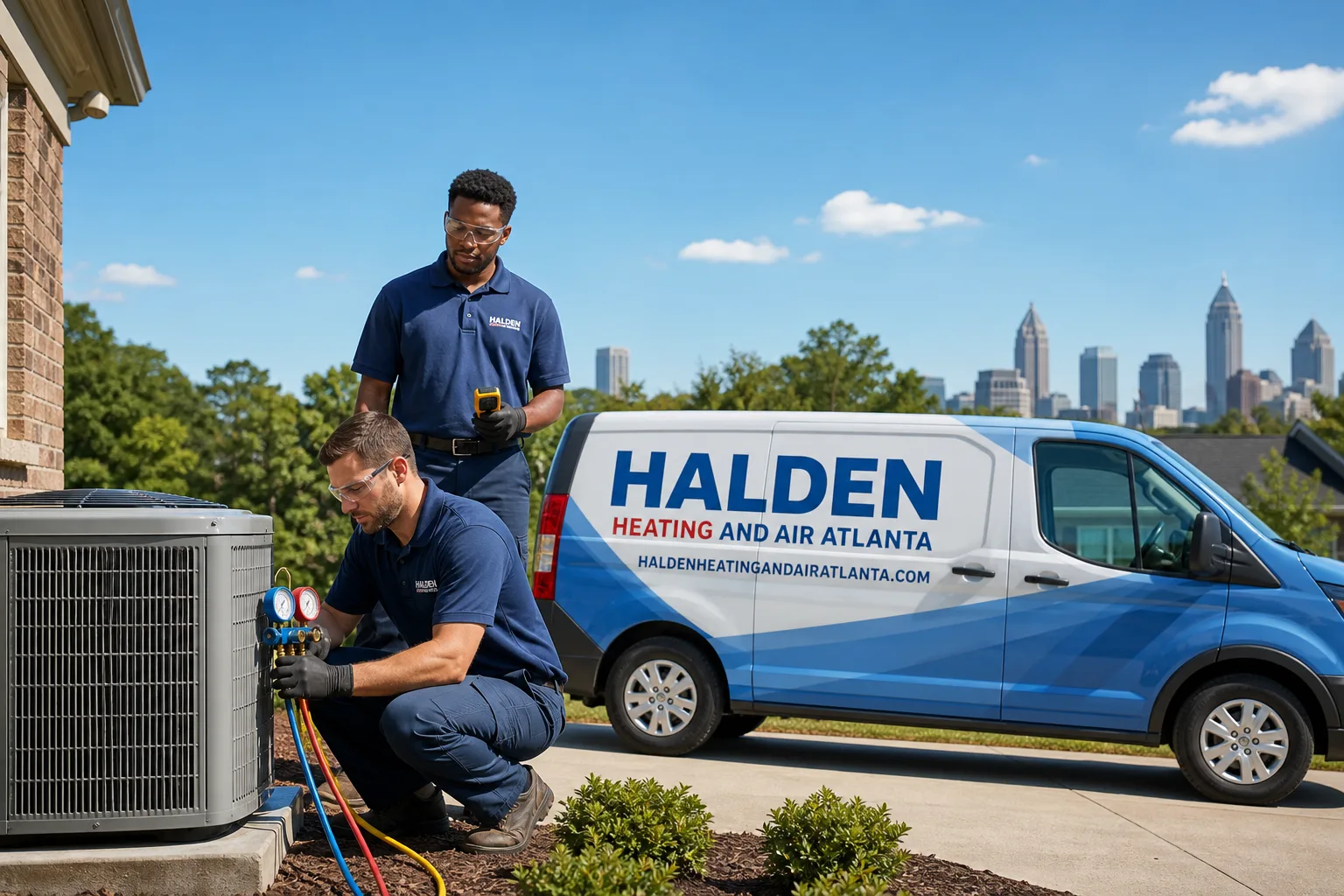
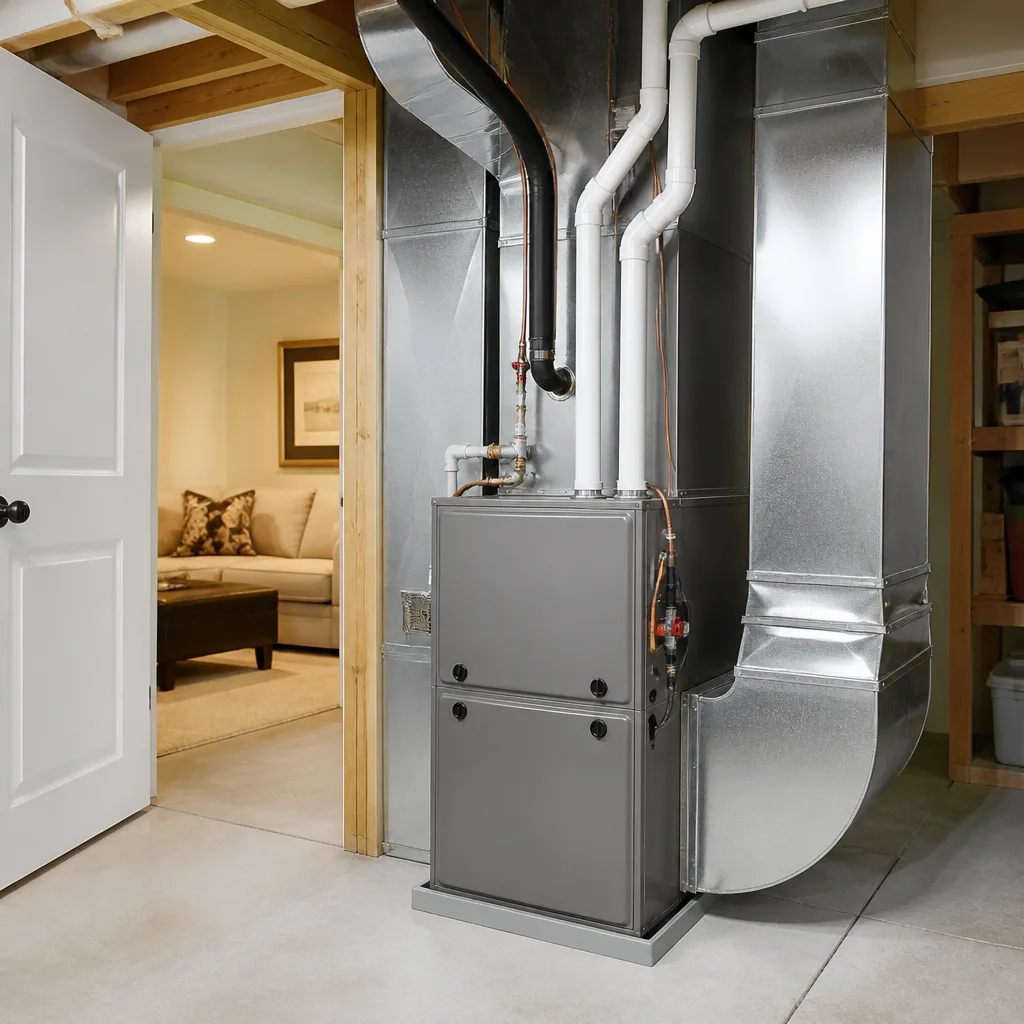
 Furnace & heating
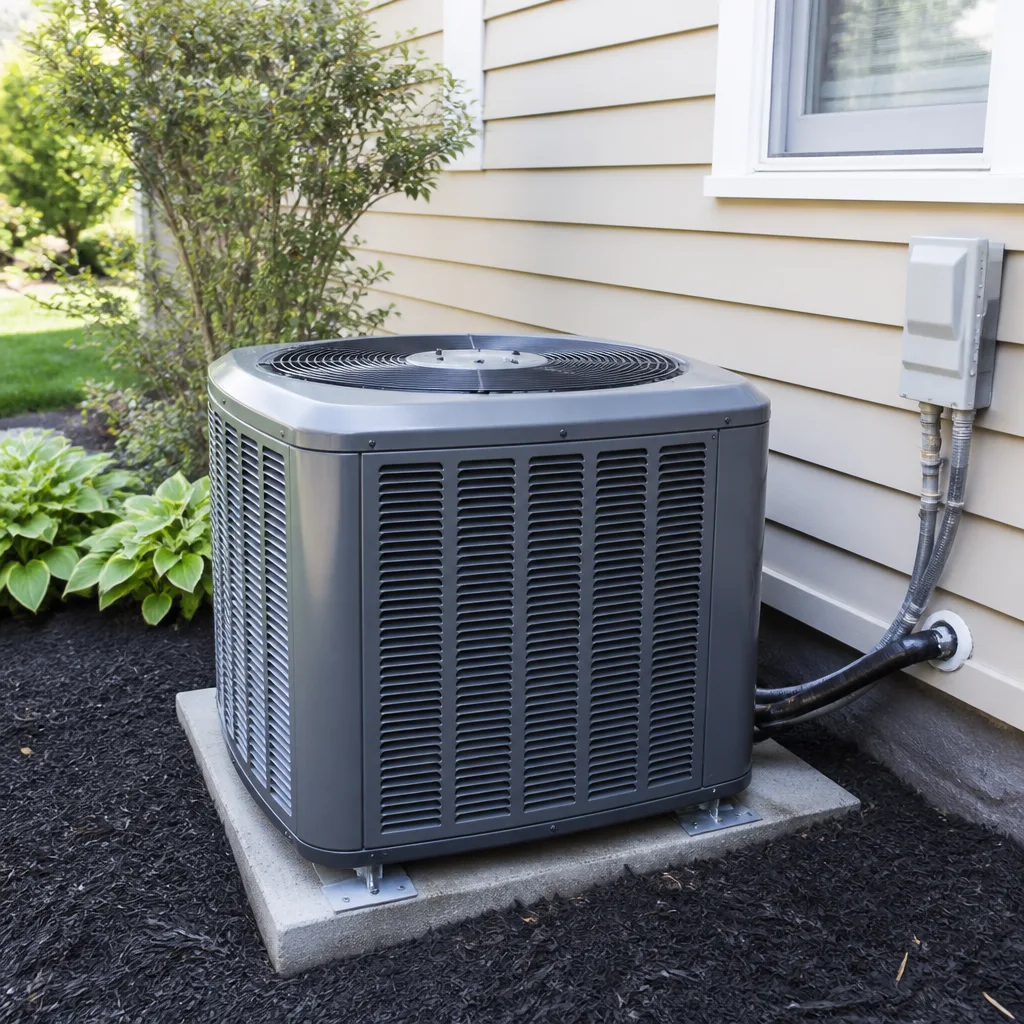 AC repair
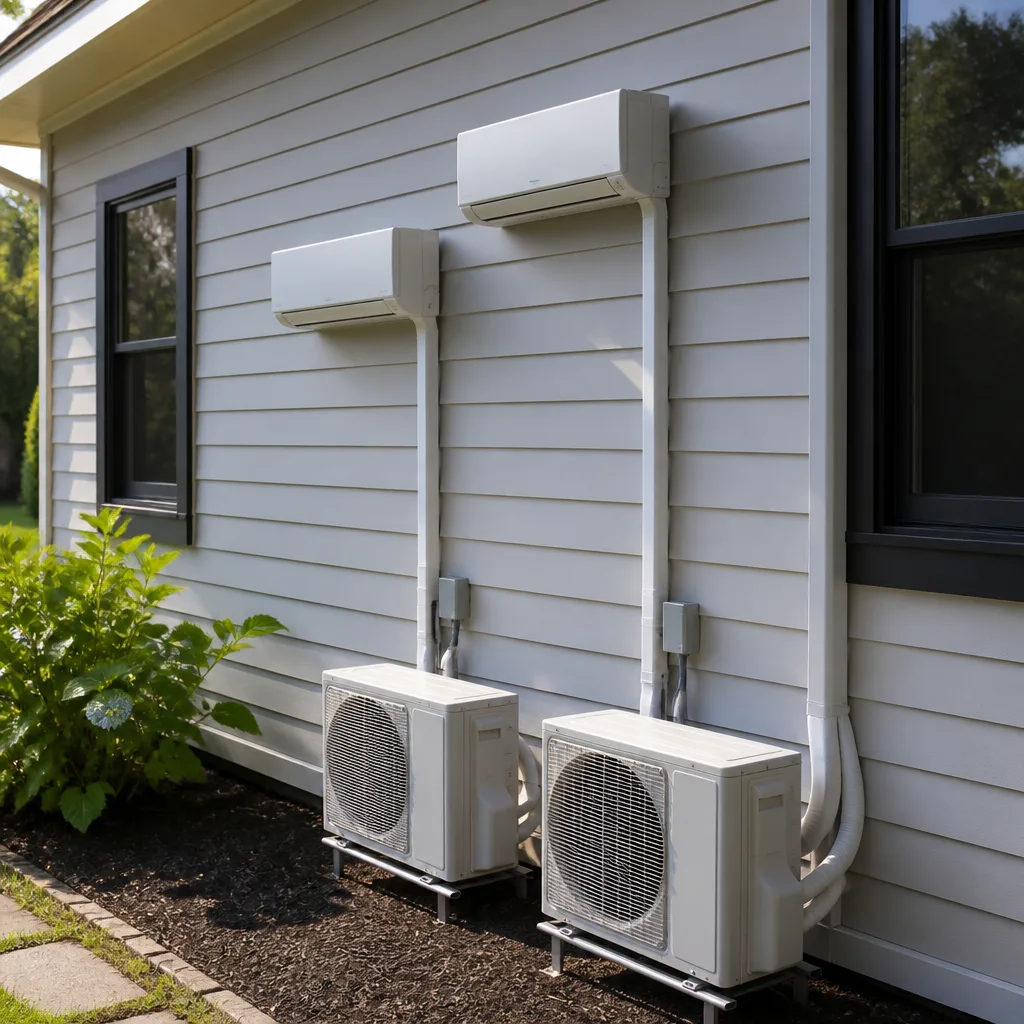 Ductless mini splits
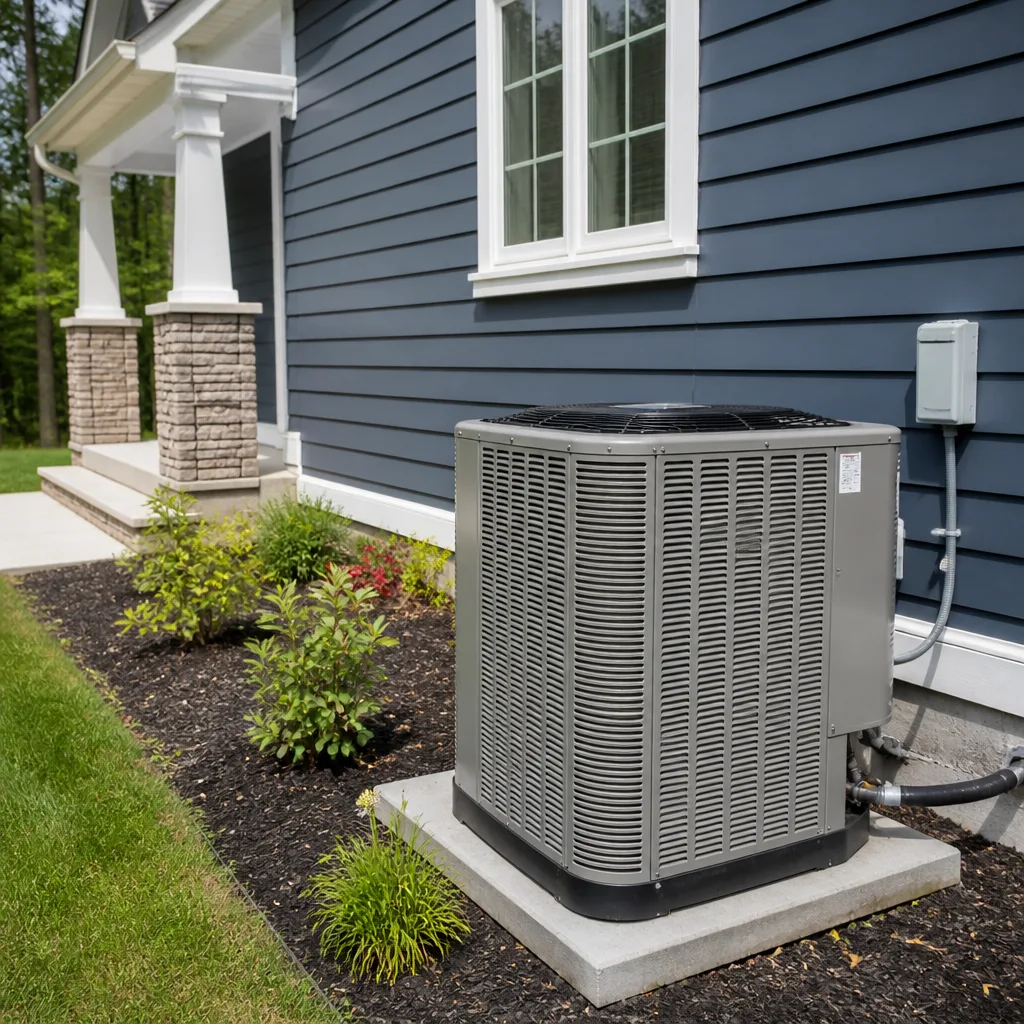 Carrier
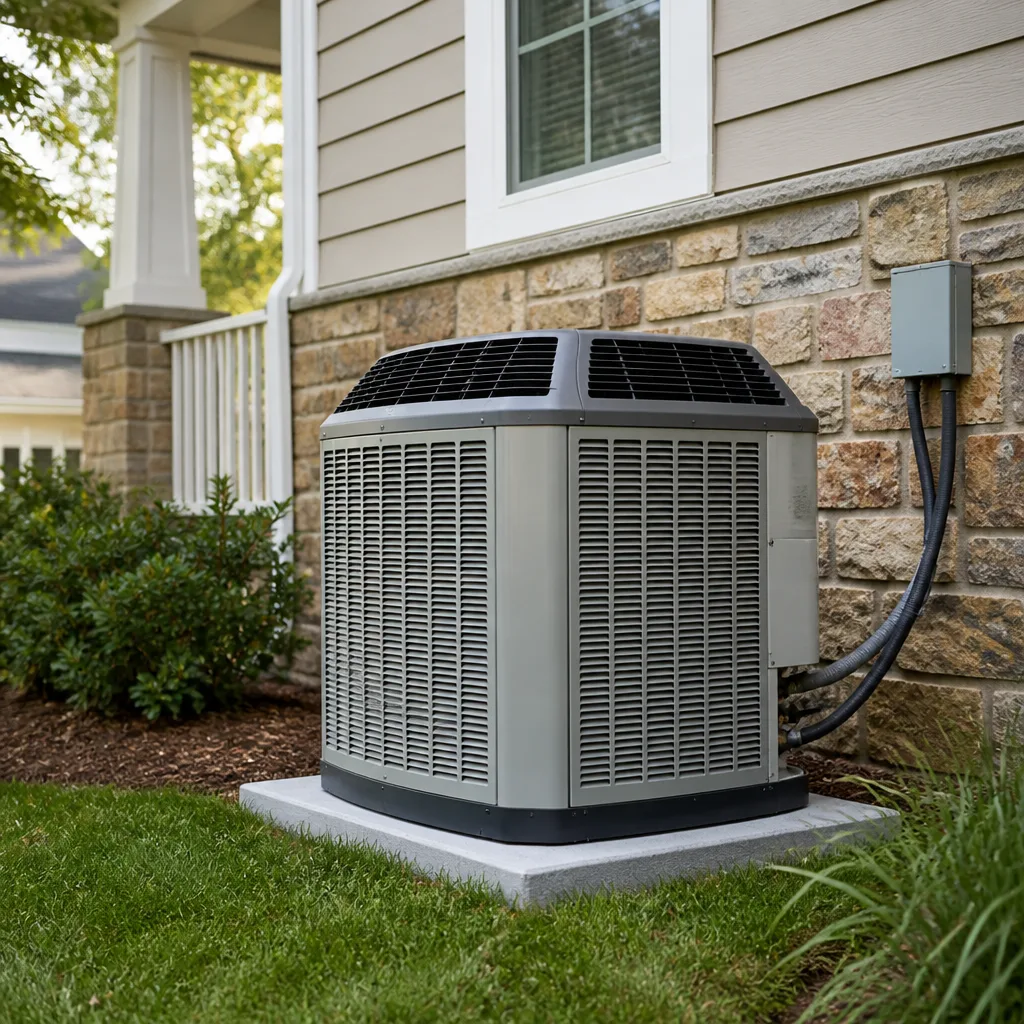 Trane
Trane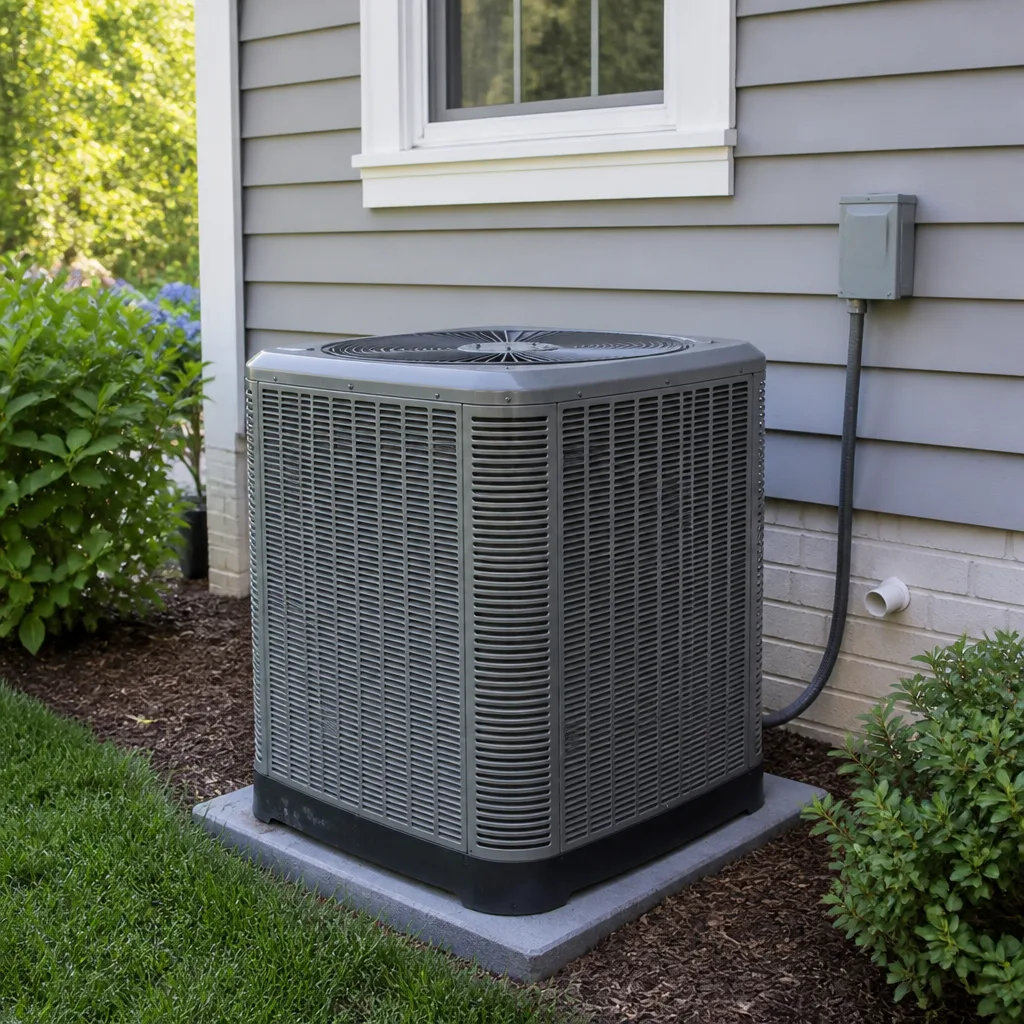 Goodman
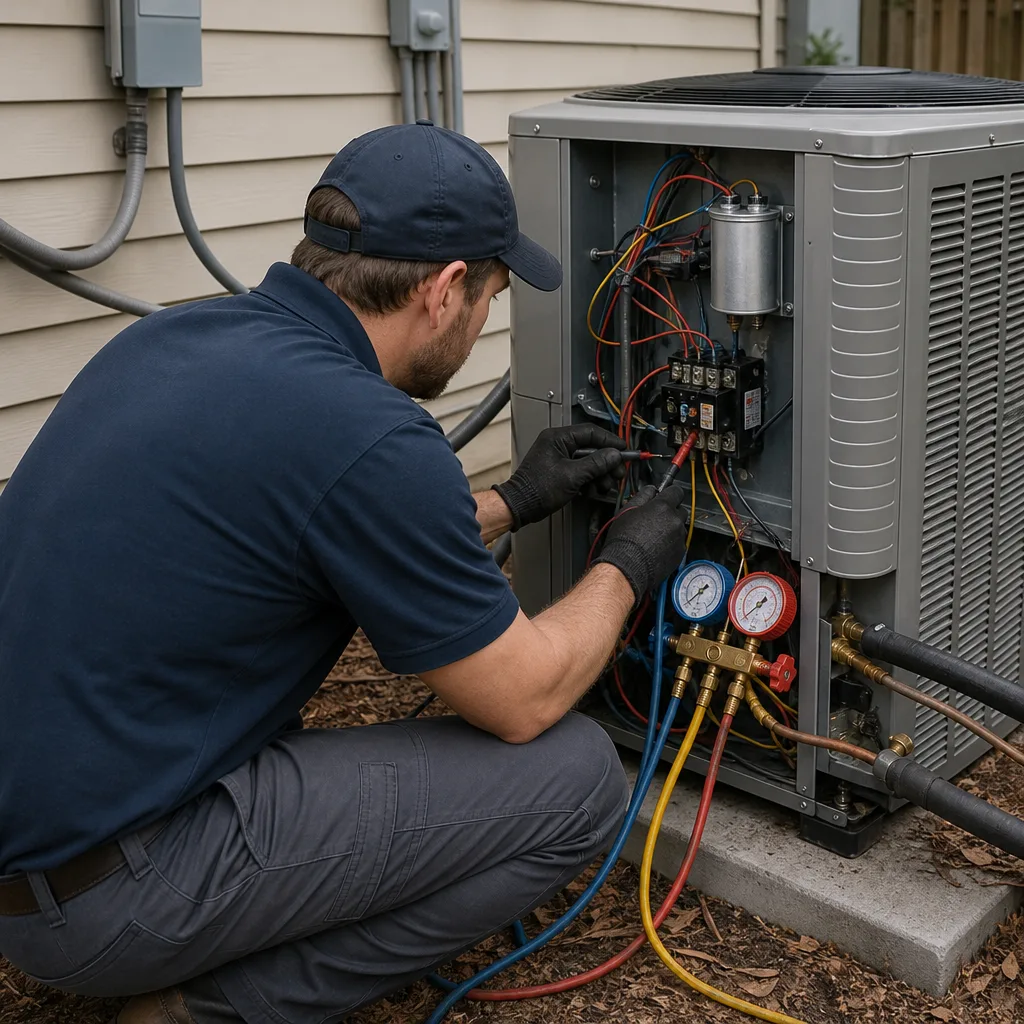
Seasonal tune-up and full diagnostic on your Carrier, Trane, or Goodman system - readings shown to you before any repair is proposed
Diagnosis first, numbers second - you approve the repair price before a single part goes in.
Get your free estimateStyles & brands we work with
See the difference
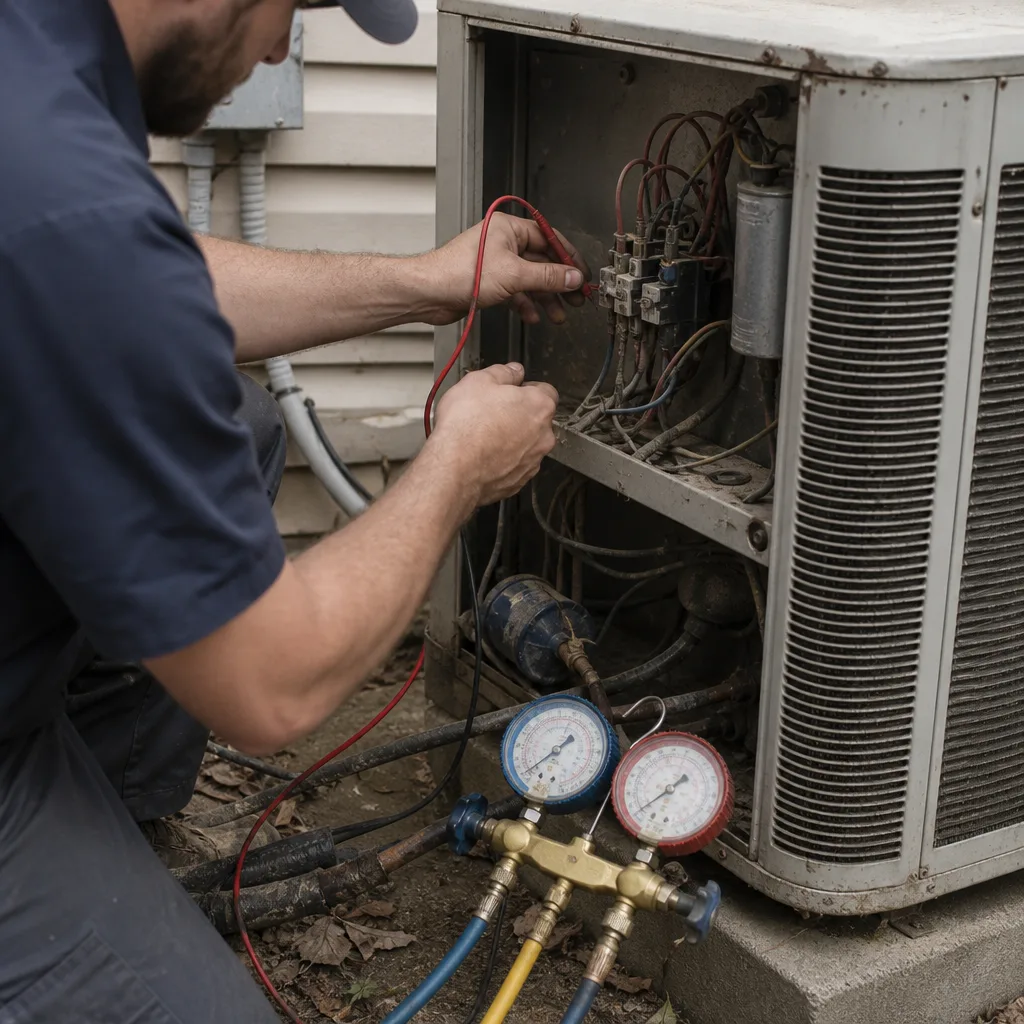 Before
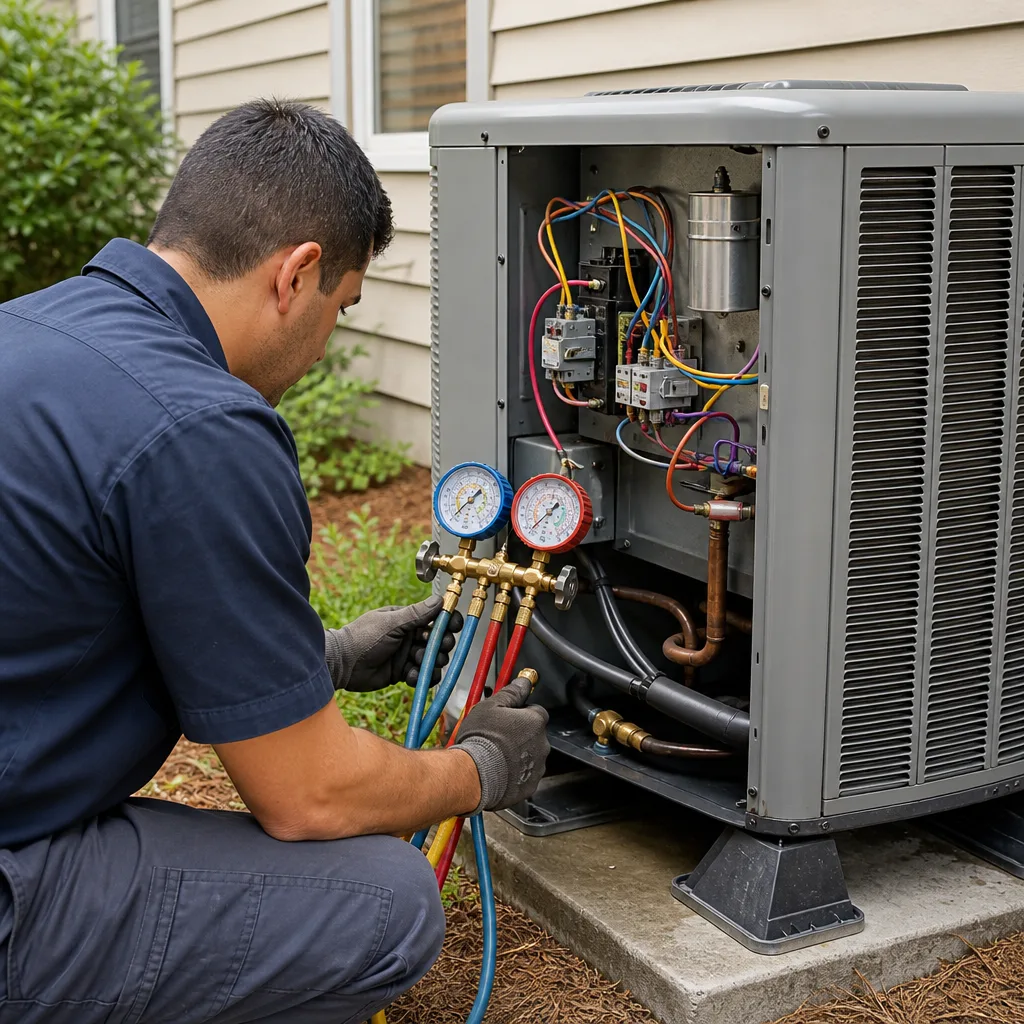 After
After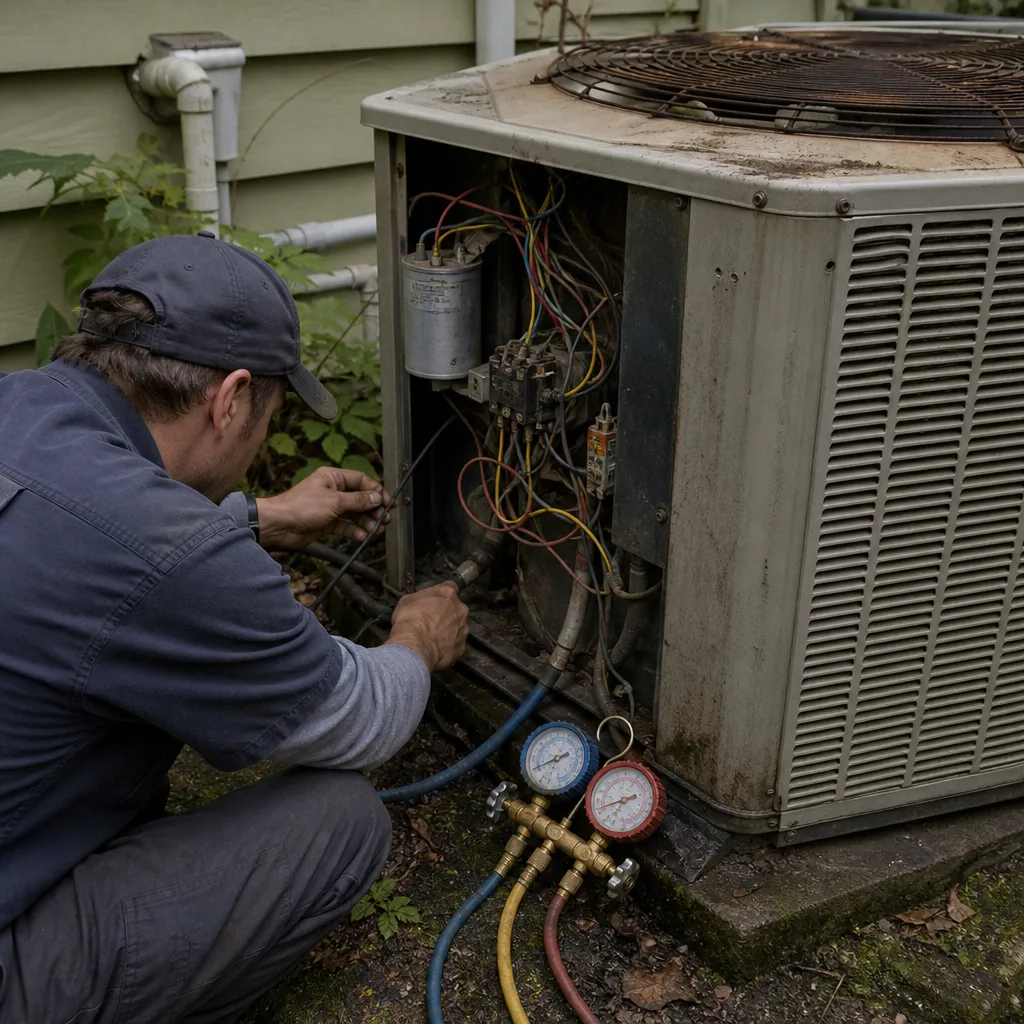 Before
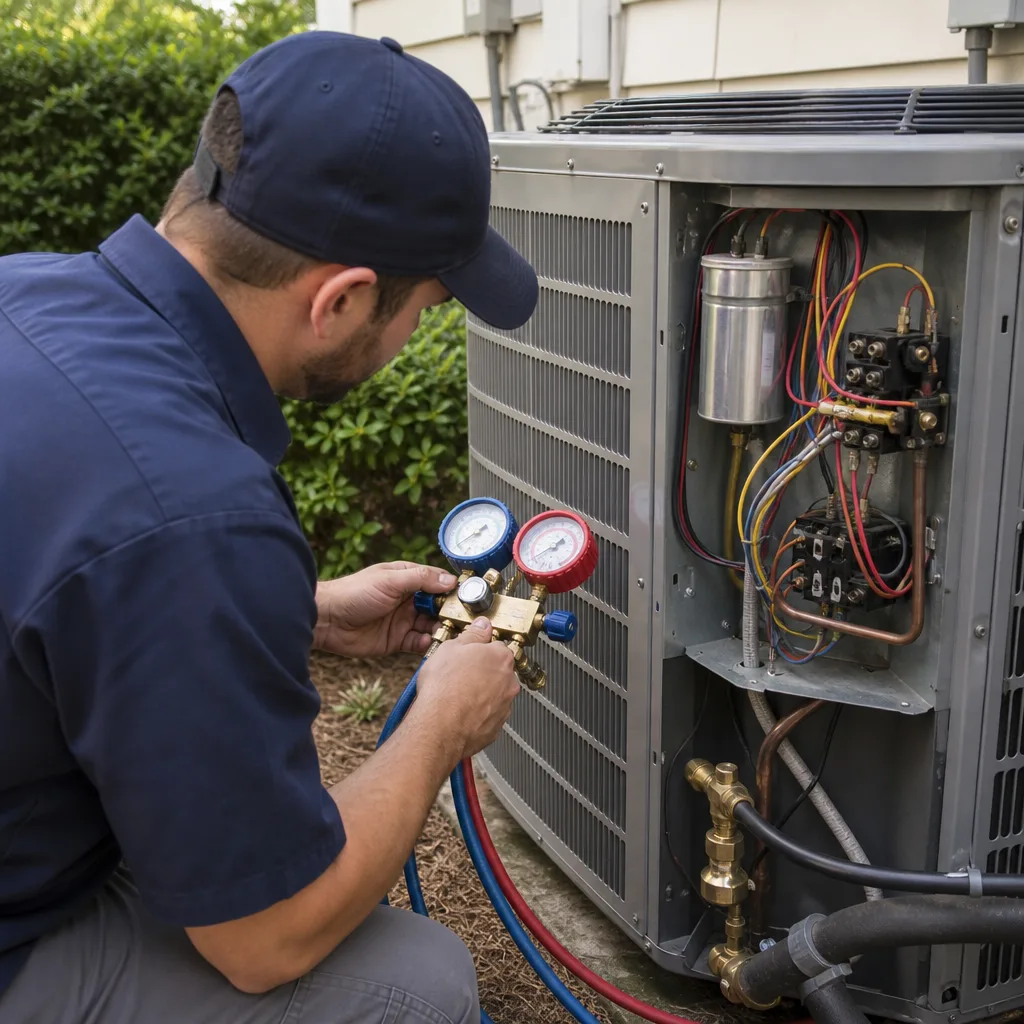 After
After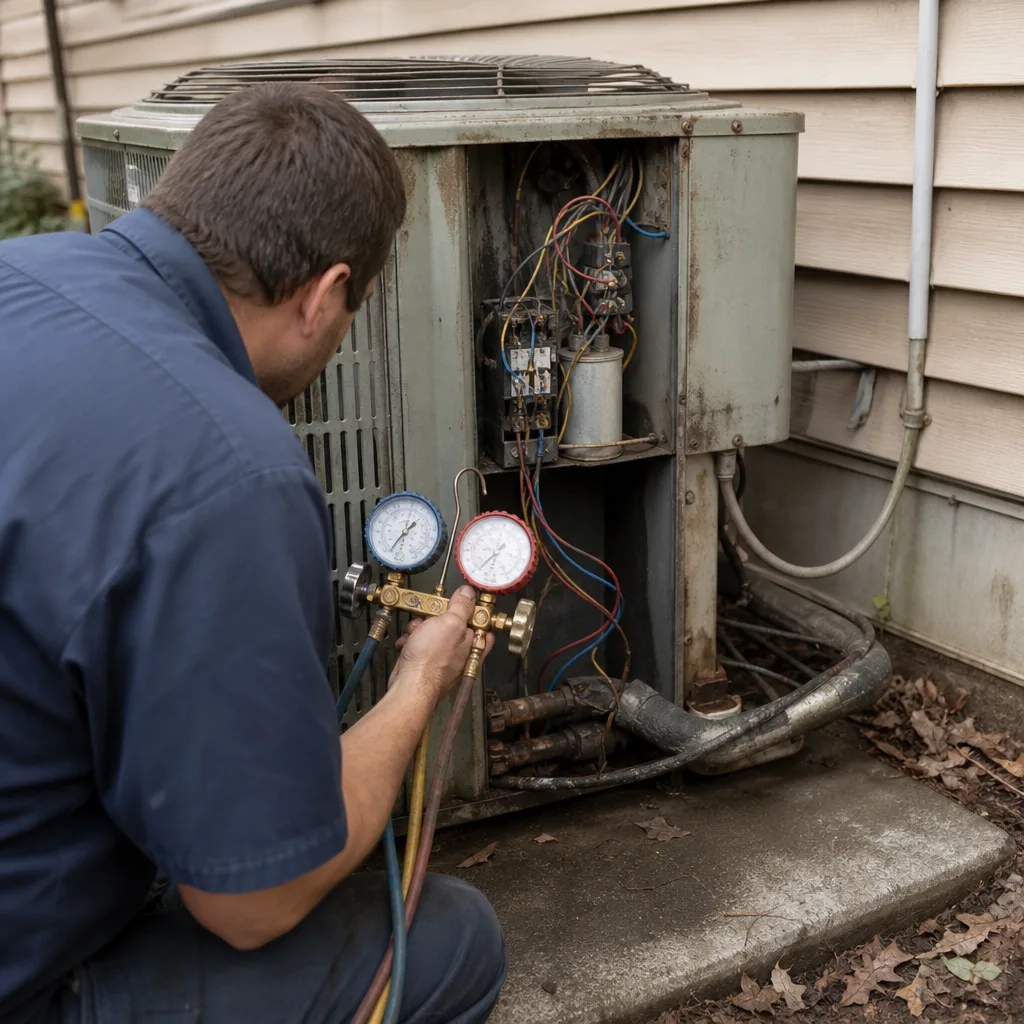 Before
 After
AfterHow Much Does HVAC Cost in Atlanta?
HVAC work in Atlanta typically runs between $150 and $7,500 depending on what you need done. Repairs land on the lower end, with most AC fixes costing $150 to $650 and furnace repairs running $150 to $700. Full system replacements sit at the top of the range, with AC installation in Atlanta homes averaging $3,500 to $7,500 depending on home size and equipment efficiency. Annual tune-ups, which keep systems from breaking in July or January, run $80 to $200.
Those are the real numbers for the Atlanta market in 2026, and they come from the pricing Halden Heating and Air uses every day across Fulton, DeKalb, Cobb, and Gwinnett counties. If you want a written price for your specific home, call (912) 616-5481 and we’ll put one in front of you before any tool comes off the truck.
Written by Andre Fuller, Owner at Halden Heating and Air Atlanta, serving the Atlanta metro since 2004.
HVAC Cost Breakdown (2026)
Here’s what you can expect to pay for common HVAC services in Atlanta this year. These are line-item ranges we quote from daily, not national averages pulled from a database.
| Service | Typical Atlanta Price Range | What It Includes |
|---|---|---|
| AC Repair | $150 – $650 | Diagnostic, common part replacement (capacitors, contactors, fan motors, refrigerant leak repair) |
| Furnace Repair | $150 – $700 | Diagnostic, ignitor replacement, flame sensor cleaning, gas valve repair, blower motor work |
| AC Installation (Full System) | $3,500 – $7,500 | New condenser, evaporator coil, line set, pad, electrical connection, refrigerant charge, permit |
| Annual Tune-Up | $80 – $200 | Coil cleaning, refrigerant check, capacitor test, thermostat calibration, drain line flush |
| Heat Pump Installation | $4,000 – $8,000 | Full system swap with new air handler, refrigerant lines, and thermostat |
| Ductwork Repair (per section) | $200 – $600 | Sealing leaks, replacing damaged runs, reconnecting separated joints |
| Thermostat Replacement | $100 – $350 | New smart or programmable thermostat, wiring, setup |
Those AC repair numbers cover about 80% of the calls we run in Atlanta. A failed capacitor in East Atlanta is usually a $150 to $250 fix. A compressor replacement in Buckhead can push past $2,000, which is when we have an honest conversation about whether repair or replacement makes more sense.
What drives cost up or down: the age of your system, whether the part is under manufacturer warranty, how hard the unit is to access, and what time of year it breaks. A repair on a July afternoon in Midtown, when it’s 96 degrees and your condenser decides it’s done, costs what it costs because demand is real. A tune-up in February is cheap because we’re not running emergency calls back to back.
What Affects HVAC Pricing in Atlanta
- Equipment age and warranty status. A 6-year-old Carrier still under parts warranty costs less to fix than a 14-year-old Goodman with no coverage, because the failed component itself is covered by the manufacturer. We check warranty status on every single call before quoting you a number.
- Time of year and demand. Atlanta’s cooling season runs long, from April through October. When the heat index climbs above 100 in July, repair demand spikes and parts go faster. Spring and fall tune-ups are the cheapest service you’ll ever buy because the calendar is in your favor.
- System size and home square footage. A 1,200-square-foot ranch in Decatur needs a different equipment tonnage than a 3,800-square-foot home in Sandy Springs. Bigger systems cost more to install and slightly more to repair because the components are larger.
- Equipment brand and efficiency rating. A 14 SEER Goodman condenser costs less upfront than a 20 SEER Lennox with variable-speed everything. Higher SEER ratings, which measure cooling output against electricity input, save money on monthly power bills but add to the initial install price.
- Ductwork condition. Atlanta homes built before 1990 often have leaky or undersized ducts. If your ducts are losing 30% of the air they carry, a new AC unit alone won’t fix the problem, and repairing or replacing duct sections adds labor and material cost to any job.
- Access and installation complexity. Condensers jammed into tight Atlanta backyards, units on steep Buckhead lots, air handlers in crawlspaces so low our techs have to slide on their backs, all of that adds labor time. The physical reality of your house affects the price more than most companies will admit.
AC Repair Costs in Atlanta: What You’ll Actually Pay
Most AC repairs in Atlanta fall between $150 and $650. The specific number depends on the failed part and whether it’s under warranty. Here’s what we see most often across the metro:
- Capacitor replacement: $150 – $250. The capacitor gives the compressor and fan motor the electrical jolt they need to start. In Atlanta’s heat, capacitors fail constantly. This is the most common repair we make, and it’s usually a same-day fix.
- Contactor replacement: $150 – $300. The contactor is the electrical switch that turns the outdoor unit on when your thermostat calls for cooling. Burned contacts mean no cooling at all.
- Condensate drain line clearing: $150 – $350. Atlanta’s humidity packs drain lines with algae and sludge. A clogged line trips a float switch and shuts the system down. We clear the line and flush it so it doesn’t back up again.
- Refrigerant recharge: $250 – $600. What most people call “the system needs Freon” is a refrigerant recharge (topping off the coolant that lets your system produce cold air). A system that needs refrigerant has a leak, and just adding refrigerant without finding the leak is throwing money away. We locate and repair the leak first.
- Fan motor replacement: $350 – $650. The fan motor pulls air across the condenser coil so heat can escape outside. When it dies in August, the compressor follows shortly after if you keep running the system. Don’t keep running the system.
- Compressor replacement: $1,200 – $2,500. The compressor is the heart of the system, the part that pumps refrigerant through the entire loop. At this price point, we always discuss system replacement as an alternative, because putting a new compressor into a 12-year-old unit is often bad money.
Every one of these repairs comes with a written price before we start. Not an estimate that might change. A written price. And every repair carries a written guarantee. If it fails within the coverage window, we come back at no charge, automatically, under our 365-Day Done Right Promise. That’s not an add-on you pay for. It’s how we operate.
Furnace Repair Costs in Atlanta
Furnace repairs in Atlanta run $150 to $700 for the vast majority of jobs. Our winters are mild compared to Minneapolis, but when that first December cold snap hits, furnaces that sat dormant for eight months decide to reveal their problems all at once.
Common furnace repairs and their Atlanta price ranges:
- Ignitor replacement: $150 – $350. The ignitor is the ceramic element that glows red-hot and lights the gas burner. They crack and fail with age. This is the most frequent furnace repair we make in Atlanta.
- Flame sensor cleaning: $150 – $250. The flame sensor proves to the furnace that the burner actually lit. Carbon buildup on the sensor makes it think the flame went out, so it shuts the furnace down seconds after startup. Cleaning is a quick fix.
- Gas valve replacement: $300 – $600. The gas valve controls the flow of natural gas into the burners. A failed valve means no heat at all. This is a safety-critical part, and it needs a licensed tech with the right gas fittings and a combustion analyzer, not a handyman with a wrench.
- Blower motor replacement: $400 – $700. The blower motor pushes heated air through your ducts. When it fails, the furnace fires fine but the warm air never reaches your rooms. This is the top end of the repair range for a reason: it’s a bigger part and more labor.
- Thermostat replacement: $100 – $350. Sometimes the furnace is fine and the thermostat is lying to it. A bad thermostat sends wrong signals, short-cycles the system, or fails to call for heat at all. We’ll test the thermostat before blaming the furnace.
Gas furnaces involve fire, combustion gases, and carbon monoxide risk. If you smell gas or suspect a problem with the burner or heat exchanger, shut the furnace off at the thermostat and the gas shutoff, then call a professional. Don’t open the burner compartment and start testing things yourself. A cracked heat exchanger leaking carbon monoxide into your home’s air is not a DIY diagnosis situation.
AC Installation Costs in Atlanta (2026)
A full AC installation in Atlanta costs $3,500 to $7,500 in 2026. That’s the installed price for a complete system: outdoor condenser, indoor evaporator coil, copper line set, electrical work, new pad, refrigerant charge, and the permit the city of Atlanta requires.
What separates a $3,500 install from a $7,500 install:
- SEER rating. A 14 SEER (Seasonal Energy Efficiency Ratio, the standard measure of cooling efficiency) unit costs less than a 20 SEER high-efficiency variable-speed system. The monthly electricity savings on a higher SEER unit are real, but the payback period is longer than most sales pitches admit.
- Brand. We install Carrier, Trane, Lennox, Goodman, Rheem, York, Daikin, Bryant, and American Standard. They’re all reliable when installed correctly. Your price difference comes from the equipment tier, not the badge on the unit.
- Tonage. Tonnage measures cooling capacity (one ton equals 12,000 BTUs of cooling per hour). A 2-ton unit for a small condo costs less than a 5-ton unit for a large single-family home. Bigger equipment, bigger price.
- System type. A straight AC system (cooling only, paired with a separate furnace) costs less than a heat pump (heating and cooling in one unit). Atlanta’s climate makes heat pumps increasingly popular, but they’re a bigger upfront investment.
- Installation quality. A cheap install that skips the nitrogen purge during brazing or doesn’t pull a proper vacuum on the line set will cost you in failed compressors and repeated repairs within a few years. The install matters more than the brand. We’ve replaced compressors on 5-year-old units that were installed poorly, and we’ve serviced 15-year-old units that were installed by people who cared.
Every install Halden Heating and Air does comes with a written price before we touch the equipment, a written guarantee on the work, and the 365-Day Done Right Promise: if it’s not done right, we make it right for a full year. You’ll also know exactly who’s coming, with a live arrival time you can track to your door, because we treat an HVAC install like the major home investment it is.
Tune-Up Costs and Why They Matter in Atlanta
An annual HVAC tune-up in Atlanta costs $80 to $200. That’s the cheapest money you’ll spend on your system all year, and it’s the difference between catching a failing capacitor in March versus discovering it in July when your house is 88 degrees.
Atlanta’s climate is unusually hard on HVAC equipment. Our summers push systems to run 12 to 16 hours a day for months. Our humidity encourages coil corrosion and drain line algae. Our pollen season, which starts in February and runs through April, coats condenser coils in a fine yellow film that reduces efficiency. A system that runs constantly in those conditions needs more maintenance than a system in a dry, mild climate.
A tune-up with us includes: coil cleaning on both the indoor and outdoor units, refrigerant level check, capacitor test, contactor inspection, drain line clearing, thermostat calibration, electrical connection tightening, and a written report on what we found. If we spot something that’s going to fail soon, we tell you then and there with a written price to fix it now rather than after it breaks.
Most Atlanta homeowners we work with get a tune-up in spring before cooling season starts. It’s the best way to avoid emergency repair calls in July and August, when everyone in the metro is trying to get a tech on the same day.
How to Save on HVAC in Atlanta
You’re not going to change the price of a compressor or the labor rate of a licensed tech. What you can change is when you buy, what you buy, and how well you maintain what you already own. Those three decisions matter more than any coupon.
- Get the tune-up before the season, not during it. Spring and fall tune-ups at $80 to $200 are the single best ROI in home maintenance. They prevent $400 emergency repairs, and they extend the life of the system. It’s better to spend $150 in March than $450 in July.
- Fix small problems immediately. A $200 capacitor replacement ignored becomes a $650 fan motor replacement when the motor burns out trying to start against a failed capacitor. The math is simple: small fixes now beat big fixes later.
- Ask about manufacturer rebates and utility credits. Georgia Power and various manufacturers run rebate programs on high-efficiency equipment in certain years. The numbers change, but we stay current on what’s available and we’ll apply every credit you qualify for to your written price.
- Get a written price before work starts, every time. The most expensive HVAC call is the one where the tech “finds something else” after they start working and the bill doubles. Halden Heating and Air puts a written price in front of you before any work begins. No surprises at the door. If the scope changes, we re-quote before we keep going.
- Replace before the system dies completely. A planned replacement in October, when the weather is mild and we’re not running emergency calls, gives you time to choose the right system without pressure. A dead system in August means you’re buying whatever’s available on the fastest timeline. Planning saves hundreds.
- Protect the outdoor unit. Keep plants and debris at least two feet away from the condenser. Trim back shrubs that block airflow. Change your air filter every 30 to 90 days depending on pets and allergies. A $15 filter protects a $7,500 system.
If you want a free estimate on any HVAC work in Atlanta, call (912) 616-5481. We’ll give you a written number before any work begins, and that number won’t change when we show up.
How HVAC Installation Works: What Atlanta Homeowners Should Expect
If you’ve never replaced an HVAC system before, here’s how the process goes with Halden Heating and Air. This is the same process we’ve run since 2004, and it’s built around transparency from the first phone call.
- Call or book online. You reach a live person 24/7, not a voicemail tree. We schedule a time that works for you, and you get a live arrival time with a tech you can track to your door.
- System evaluation. Our tech walks the home, checks the existing equipment, measures the square footage, inspects the ductwork, and assesses the electrical panel. We ask about your comfort complaints, hot and cold spots, and energy bill concerns.
- Written options and pricing. We present you with equipment options at different price points and efficiency levels. Every option comes with a written price. You choose what fits your budget and your home. No pressure.
- Installation day. We arrive at the scheduled time. The install takes most of a day for a typical swap. We replace the outdoor unit, indoor coil, line set, and any necessary duct connections. We pull permits and handle code compliance with the city of Atlanta.
- Startup and testing. We charge the system with refrigerant, verify the pressures, test the airflow, check the temperature split, and walk the whole system to confirm it’s running correctly. We show you before-and-after photos and a full report of the work.
- Guarantee and follow-up. Every install includes a written guarantee and the 365-Day Done Right Promise. If anything isn’t right within a year, we fix it at no charge. If a repair we make fails within the guarantee window, we come back free. That’s automatic, not something you have to ask for.
Why Halden Heating and Air Prices Differ From “Cheapest in Atlanta” Quotes
You’ll find $79 tune-up flyers and “whole system installed for $2,999” ads in Atlanta. We don’t compete on being the cheapest. We compete on being upfront. Here’s what that means in practice:
The Relay Standard runs through every job we do, which means a written price before any work starts, a background-checked uniformed technician with a live arrival time you can track, and The Relay Visibility Guarantee on every visit. You see what we did, with before-and-after photos, and our guarantee is in writing, not implied.
The $79 tune-up usually becomes $450 once the tech adds “necessary” coil cleaning, capacitor replacements, and “system recommendations.” The $2,999 install often becomes $5,500 by the time the permit, the line set, the new pad, and the required electrical upgrades get added. We don’t run those games. Our written price is the price, and it includes everything required to do the job right.
Our techs are certified to service Carrier, Trane, Lennox, Goodman, Rheem, York, Daikin, Bryant, and American Standard. We’ve seen every brand’s quirks, and we know which parts fail early, which systems hold up in Atlanta’s humidity, and what your actual repair costs will be 5 years down the road. That knowledge is part of what you’re paying for.
Andre Fuller has built this company around a simple idea: homeowners deserve HVAC service that doesn’t make them feel stupid, surprised, or stuck. Since 2004, as part of the Relay Home Co. network of independently owned, locally operated HVAC businesses, Halden Heating and Air has held to that standard on every job, for every customer, in every Atlanta neighborhood.
FAQs – HVAC Cost
What’s the average cost of AC repair in Atlanta?
AC repairs in Atlanta average $150 to $650, with most common fixes like capacitor and contactor replacements landing in the $150 to $300 range. The price depends on the specific part, the age of your system, and whether the part is still under manufacturer warranty. Every repair with Halden Heating and Air gets a written price before work begins, so the number you’re quoted is the number you pay. Call (912) 616-5481 for an exact quote, estimates are free.
How much does a new AC unit cost installed in Atlanta?
A complete AC installation in Atlanta runs $3,500 to $7,500 for most homes, including the outdoor condenser, indoor coil, line set, electrical, refrigerant, and city permit. A 14 SEER 2-ton system in a small condo sits near the bottom of that range, while a 20 SEER variable-speed system for a large single-family home sits near the top. Higher SEER ratings mean lower monthly electricity bills. Call (912) 616-5481 for a written installation quote for your specific home.
How much does a furnace repair cost in Atlanta?
Furnace repairs in Atlanta range from $150 to $700 for most jobs. Ignitor replacements and flame sensor cleanings fall on the low end, while blower motor replacements and gas valve work hit the high end. We provide a written price before touching your furnace so there’s no surprise when the bill comes.
Is it cheaper to repair or replace an AC unit?
The rule of thumb: if the repair is under $650 and your system is under 10 years old, repair wins. If the repair is a compressor at $1,200 to $2,500 on a system that’s 12+ years old, replacement usually makes more financial sense. Multiply the repair cost by the system’s age; if that number exceeds the cost of a new unit, replace. We walk through this math with you honestly, and our recommendation goes in writing with a price attached to each option.
Can you fix my AC today?
Yes. Halden Heating and Air answers calls with a live person 24/7, and we keep same-day appointments open for emergencies across Atlanta. In the middle of a July heat wave, when every HVAC company in the metro is booked solid, we still dispatch same-day when our schedule allows. Call (912) 616-5481 and we’ll give you an honest arrival time, not a four-hour window.
How much does an HVAC tune-up cost in Atlanta?
An HVAC tune-up in Atlanta costs $80 to $200 for a full system check, including coil cleaning, refrigerant level check, capacitor testing, drain line clearing, and thermostat calibration. Doing this before Atlanta’s cooling season starts is the cheapest way to avoid a $400+ emergency repair in the middle of summer.
Pricing reflects the Atlanta market as of 2026. Halden Heating and Air Atlanta offers free estimates – call (912) 616-5481.
What Our Customers Say
"Maintenance reminders come by text. I never have to remember."
- Elliot K."Furnace ignitor replaced. Paid online, no paperwork."
- Ivy R."Thermostat swap and a duct check. Everything is even now."
- Pam J.